The middleweight motorcycle category, often celebrated for its perfect balance of power, agility, and versatility, witnessed an intriguing battle during the 2009–2010 period. Among the contenders were the Yamaha FZ6, Suzuki SV650, and the Kawasaki Ninja 650. Each model, a distinct blend of engineering prowess and riding philosophy, championed a unique approach to the middleweight class, challenging preconceived notions and expanding the horizons of what a middleweight could embody. This comparative odyssey promises to shift perspectives and unearth the subtle nuances that set these machines apart, beckoning riders to reconsider their criteria for the quintessential middleweight motorcycle.
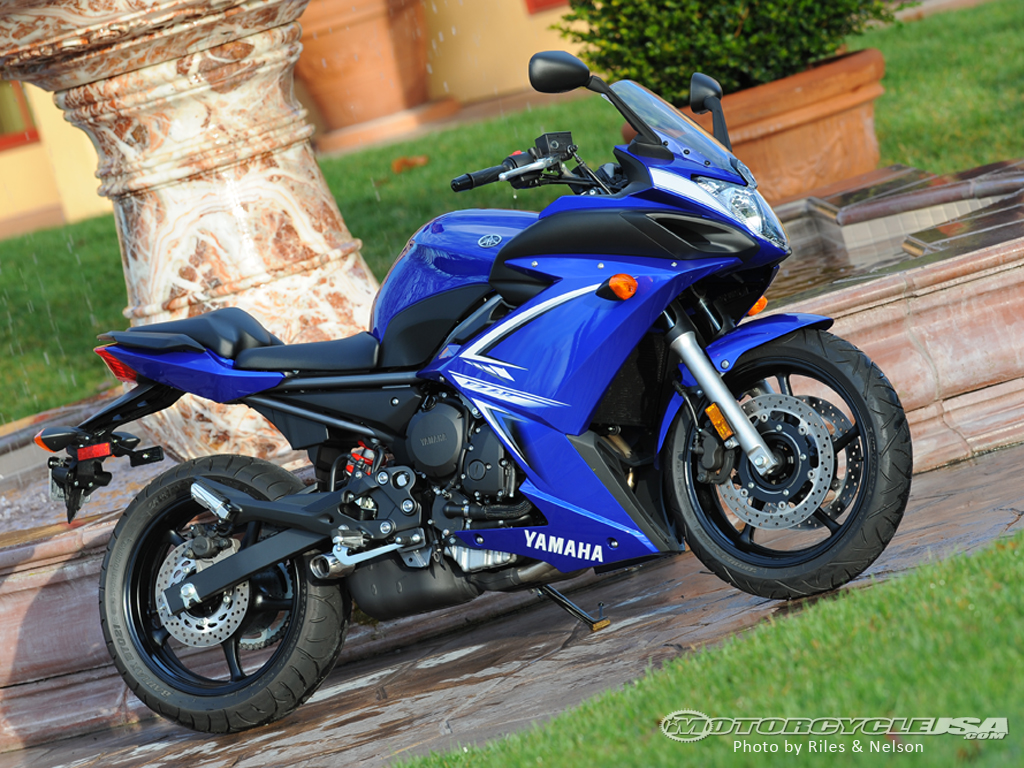
At first glance, the Yamaha FZ6 stands as a masterclass in renaissance engineering. Departing from its sportbike roots, the FZ6 offers a refined inline-four engine that provides a smooth yet potent power delivery. The 2009 iteration embraced enhancements that refined both its chassis and suspension, warranting a ride that’s nimble without sacrificing stability. It taps into a riding experience that balances spirited performance with commuter friendliness. The FZ6’s aggressive styling, inspired by Yamaha’s superbikes, invites a certain street-smart demeanor, yet beneath this aggressive veneer lies a motorcycle well-suited to extended journeys and everyday urban escapades.
Conversely, the Suzuki SV650 is a paragon of simplicity and reliability—a V-twin that has earned a cult following due to its torquey character and manageable power curve. The 2009–2010 SV650 retained its signature air-cooled V-twin engine, revered for producing copious low-end torque that delivers thrilling acceleration without overwhelming novices. Its lightweight frame, combined with a supple suspension setup, allows for exceptional handling precision in tight corners. Design-wise, the SV650 does not aim to dazzle with flashiness but rather prioritizes function, boasting minimalist aesthetics that accentuate its mechanical purity and unpretentious spirit.
In stark contrast, the Kawasaki Ninja 650, formerly known as the ER-6f, symbolized a commitment to versatility and innovation. Its parallel-twin engine, equipped with advanced fuel injection systems, was designed to straddle the line between performance and efficiency. The 2010 model underwent notable refinement, including chassis adjustments that enhanced agility and rider feedback. The Ninja 650’s dual-purpose demeanor facilitates both commuting and spirited canyon carving. Its fully-faired aerodynamic bodywork offers a distinct sportbike silhouette—an invitation to riders seeking style intertwined with everyday practicality. Kawasaki’s attention to rider ergonomics here manifests in a comfortable yet engaged posture, facilitating control without the strain of aggressive sport riding stances.
These three motorcycles, while sharing the middleweight classification, present riders with divergent philosophies in powertrain configuration and overall riding dynamics. The inline-four of the Yamaha FZ6 dazzles with a fluid and high-revving character, rewarded by those craving precision and seamless power delivery. The SV650’s V-twin, meanwhile, sings a different tune — one marked by a more visceral, throbbing pulse of torque that resonates deeply with enthusiasts attuned to characterful engines. Kawasaki’s parallel-twin engine seeks to amalgamate the best of both worlds, blending torque with smoothness in a package designed to feel accessible yet exhilarating.
Beyond the engines, chassis and suspension play relentless roles in defining each motorcycle’s ride quality. The FZ6 leverages a perimeter frame and sophisticated suspension components that cater to stability at speed and confidence in cornering, something avid sport-tourers appreciate. Meanwhile, the SV650’s trellis-style frame emphasizes lightness and flex, resulting in a playful, engaging ride that rewards skilled riders who feel at one with the machine. The Ninja 650 occupies a middle ground here, sporting a steel diamond frame optimized for balance and rider feedback, ensuring the rigors of daily commutes or spirited weekend rides are handled with aplomb.
Ergonomics and rider comfort during the 2009–2010 era varied quite markedly among these contenders. The Yamaha FZ6 adopts a slightly forward-leaning position, fostering an intimate connection with the road, yet remains relatively forgiving during long hauls due to a well-padded seat and adjustable controls. Suzuki’s SV650 excels in delivering an upright riding stance, a factor that enhances its versatility, making it well-suited for urban traffic as well as spirited backroad jaunts. Kawasaki’s Ninja 650 impresses with a blend of sport-oriented ergonomics softened by thoughtful design choices to mitigate rider fatigue—an important feature for those who alternate between daily commutes and weekend escapes.
When deliberating the instrument clusters and technological accouterments, the FZ6 integrates a combination of analog and digital instrumentation, providing essential information with clarity and precision. Meanwhile, the SV650’s gauge cluster remains straightforward, emphasizing practicality over gadgetry, a nod to its ethos of mechanical simplicity. The Ninja 650, reflecting Kawasaki’s penchant for blending modernity with tradition, boasts a more comprehensive digital readout that caters to riders who appreciate technological insights at a glance.
The auditory experience is another facet that compels attention. Yamaha’s inline-four produces a sonorous wail that ascends eagerly through the rev range, elating riders who revel in melodious engine notes. Suzuki’s V-twin delivers a hearty, deep growl that intimates a rugged, throaty character fostering emotional engagement. Kawasaki’s twin-cylinder hums with a refined tone, balancing smoothness and growl, creating an aural signature that’s distinctive without being intrusive.
Beyond the mechanical and experiential elements, practical considerations such as fuel economy, maintenance, and aftermarket support further influence the ownership narrative. The CV-tuned twin of the SV650 often leads in fuel efficiency, appealing to cost-conscious riders. Yamaha’s FZ6, while sportier and slightly thirstier, rewards owners with durable components and a loyal following that supports a vibrant aftermarket ecosystem. Kawasaki’s Ninja 650, designed in an era of increasing environmental awareness, offers commendable fuel economy without a significant sacrifice in performance, complemented by robust dealer support and widespread parts availability.
The 2009–2010 middleweight segment, therefore, was not simply a contest of horsepower and top speed. It was an exploration of different riding philosophies and rider priorities, embodied by three distinct but equally compelling motorcycles. The Yamaha FZ6 invites riders to indulge in a harmonious fusion of sport and sophistication. The Suzuki SV650 seduces with straightforwardness and character. The Kawasaki Ninja 650 dares to straddle multiple roles without oversimplification or concession.
This triad lays bare the fascinating spectrum of what a middleweight motorcycle can represent. Whether one’s allegiance is to raw, characterful powertrains, polished all-rounders, or purposeful versatility, the 2009–2010 FZ6, SV650, and Ninja 650 collectively elevate the art of middleweight motorcycling, encouraging riders to explore new paradigms and embrace the rich tapestry of riding experiences waiting just beyond the horizon.