The cruiser motorcycle landscape in 2009 was a testament to the evolving tastes of riders who sought both classic charm and modern ingenuity. Among the contenders, three models stood out, each carving its own niche with distinctive engineering philosophies and visceral riding experiences: the Harley-Davidson V-Rod, the Kawasaki Vulcan 1700, and the Honda Shadow. On face value, they might seem like mere competitors sharing the cruiser ethos, but a deeper examination reveals a triumvirate that challenges conventional notions of what “cruising” can embody. A comparative exploration of these machines not only fascinates but promises to shift your perspective on power, performance, and personality within the cruiser realm.
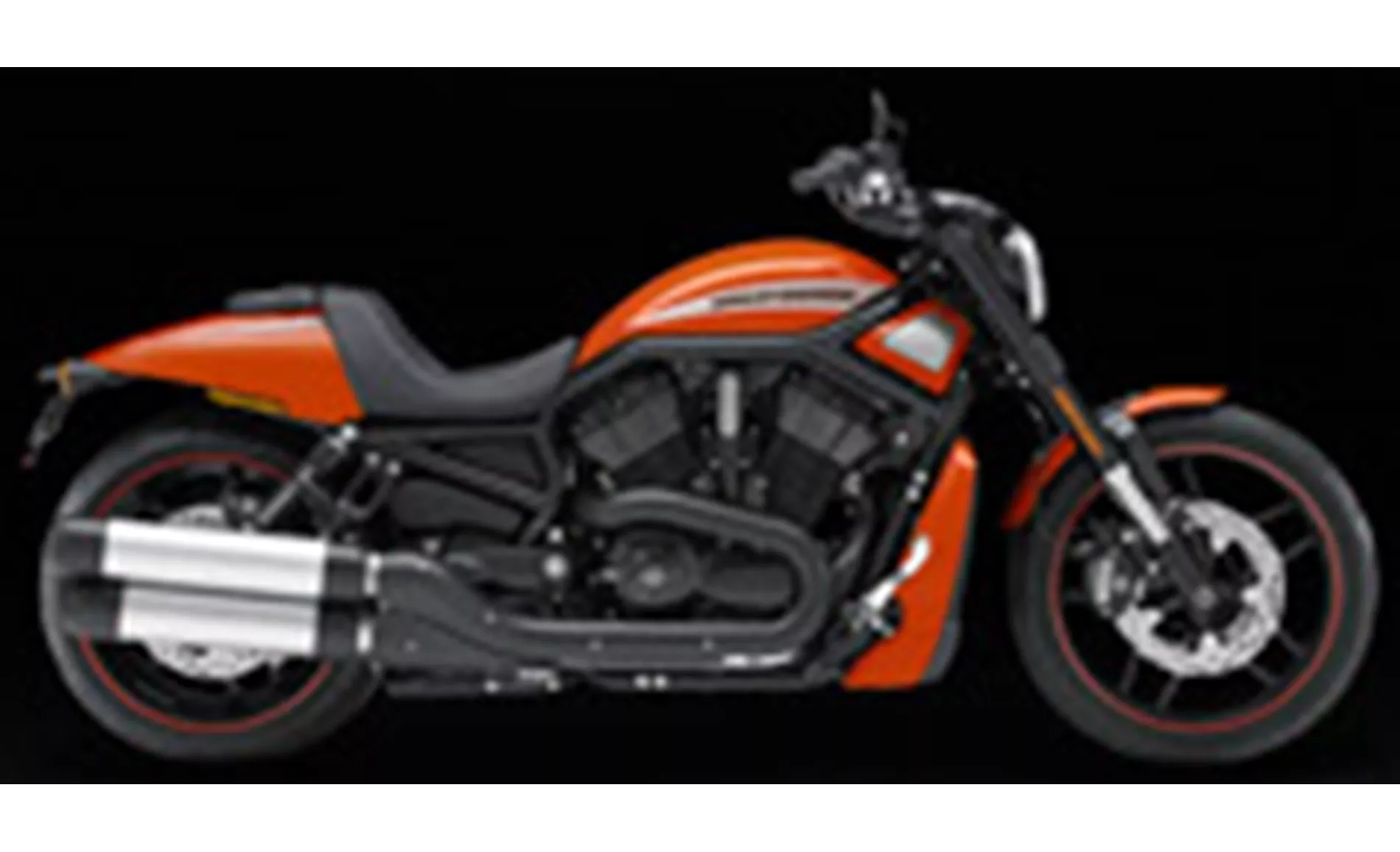
Emerging from the iconic Harley-Davidson lineage, the V-Rod was unmistakably forged to break the mold. This was no ordinary cruiser — its foundation rested on a distinctly non-traditional approach. Powered by a liquid-cooled, 1,250cc Revolution V-Twin engine co-developed with Porsche, the V-Rod’s heart pulsed a high-revving rhythm quite alien to Harley’s typically lumbering beasts. The robust, 124 horsepower output principally catered to riders craving a blend of brute strength and muscular agility. Not merely a powerwagon, the V-Rod’s design embraced a futuristic, streamlined aesthetic with its truncated fenders, minimalist bodywork, and aggressive stance, beckoning those who yearned to blur lines between cruiser and sportbike categories. It was a clarion call for sophistication and innovation, wrapped in raw, American rebellion.
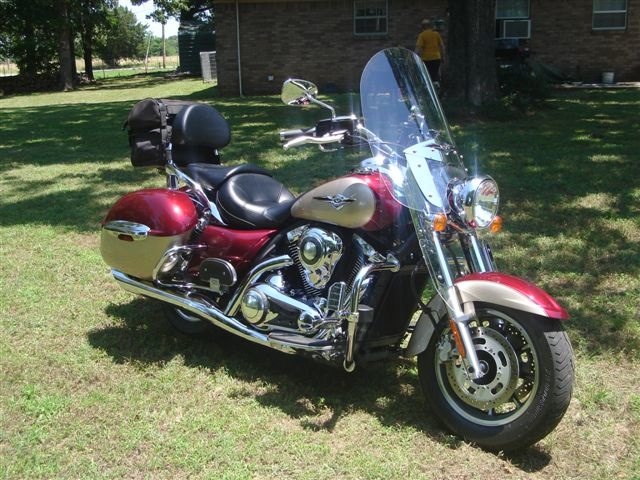
In contrast, the Kawasaki Vulcan 1700 Nomad presented itself as a paragon of heavyweight traditionalism imbued with modern amenities and prodigious displacement. Its 1,700cc V-Twin powerhouse was tailored for torque-rich cruising, delivering effortless highway glides and confident acceleration. Where the V-Rod pushed toward avant-garde performance, the Vulcan sought to harmonize contemporary technology with the familiar, deep-throated rumble sacrosanct to cruiser devotees. The engineering was robust yet refined: a shaft drive minimizing maintenance fuss, a smooth six-speed transmission, and a plush chassis bolstered by adjustable suspension. The Vulcan 1700’s fairing and saddlebags weren’t just cosmetic—they embodied touring utility, promising comfort and practicality over the long haul. In essence, it appealed to riders desiring substantial presence and comfort without sacrificing commanding power, an equilibrium often elusive in heavyweight cruisers.
Then, there was the Honda Shadow lineup, a model family that excelled in versatility and accessibility while grasping the cruiser spirit through its own lens. In 2009, the Shadow Sabre 1100 and other variants offered moderate displacement, typically around 750cc to 1,100cc, making them appealing to a wide range of motorcyclists—from novices to seasoned veterans. The Shadow’s engine, a liquid-cooled V-Twin, tended to produce middleweight power — not the brute force of the Vulcan’s 1,7-liter juggernaut, nor the high-octane fervor of the V-Rod, but an admirable middle ground marked by reliability and efficiency. The ergonomics were designed to be universally inviting, with a lower seat height and relaxed riding posture. Its styling married classic cruiser silhouettes with subtle modern touches, ensuring the Shadow felt both familiar and fresh. It invited riders to consider cruising less as a specialized pursuit and more as a universally accessible experience ripe with personal meaning.
In dissecting the triad of 2009’s cruiser powerhouses, the question of what power truly means within this context becomes tantalizingly complex. The V-Rod’s emphasis on horsepower and cutting-edge engineering redefines power through the lens of speed and technological bravado. Its liquid-cooled, overhead cam V-Twin could rev high and strike hard, challenging the dogma that cruisers must lumber and linger below midrange. The Vulcan 1700, monumental in displacement, reaffirms traditional power as torque—the low-down grunt sustaining long, effortless miles with confident ease. Meanwhile, the Shadow resonates with the philosophy that power need not intimidate; it can be approachable, consistent, and versatile enough to welcome different riders into the cruising fold.
Performance dynamics further illuminate these distinctions. The V-Rod’s chassis and suspension setup favored nimbleness, delivering an evocative sense of control that betrayed its mass. The fluid agility allowed riders to navigate twisty roads with crisp feedback, normally reserved for sportier machines. This was a cruiser for those who either refused to settle for lazy cruisers or desired a bold alternative to the established archetypes. Conversely, the Vulcan’s frame radiated stability and assuredness, with a suspension system intended more for sumptuous highway mileage than aggressive handling. Its formidable mass created a planted sensation ideal for long distances and expansive touring. The Honda Shadow, lighter and somewhat more compact, struck a balance that made city streets, suburban avenues, and comfortable country roads equally attainable playgrounds.
Styling was no mere footnote but a crucial vector in defining each bike’s persona and intended rider. The V-Rod sought to seduce with its sculpted muscle, chrome accents, and an industrial, almost mechanical aura. It was a machine that proclaimed itself a rebel, with sharp lines and a distinctive headlamp that departed from the familiar. The Vulcan 1700, replete with sweeping fenders, full fairings, and leather saddlebags, communicated a grand tourer’s dignity—a rolling fortress poised for epic journeys. The Shadow’s charm emanated from its classic cruiser heritage, with subtle embellishments and a conservative profile that made it approachable, timeless, and less about making a statement than living comfortably within the cruiser tradition.
Yet, beyond raw specifications and design language lies the intangible allure each rider might discover. The V-Rod challenges preconceived boundaries, encouraging an embrace of innovation and the thrill of harnessing atypical cruiser power. It’s a clarion call to those who perceive motorcycles not just as transportation but as living, breathing sculptures of performance art. The Vulcan 1700 responds to the call of endurance and commanding presence. It seduces with promises of sprawling roadways, companionship in solitude, and the security of engineering built for miles of unhurried contemplation. The Shadow, in turn, whispers the invitation to newcomers and nostalgic souls alike, presenting cruising as an accessible means to savor the ride without pretense or complexity.
This trio from 2009, when juxtaposed, unspools a fascinating narrative about how cruiser motorcycles accommodate diverse identities, values, and aspirations. They are not just machines; they are expressions, each echoing a unique interpretation of power, freedom, and style. The V-Rod demands attention and challenges norms, the Vulcan 1700 reassures with authority and comfort, and the Shadow educates with its versatile, inviting embrace. Understanding these motorcycles on this multifaceted level enriches the appreciation of what cruising represents—more than just engine size or acceleration but a complex dialogue between machine and rider.
Ultimately, the 2009 V-Rod, Vulcan 1700, and Shadow collectively broaden the horizon of cruiser motorcycles. They invite riders to reconsider power not as a monolith but as a spectrum colored by preference, purpose, and personality. Whether one is seduced by the thunderous innovation of the V-Rod, the majestic reliability of the Vulcan, or the friendly adaptability of the Shadow, each promises a rich, memorable encounter on two wheels. In this, the year 2009 offers a compelling testimony to the enduring allure and evolving complexity of the cruiser experience.