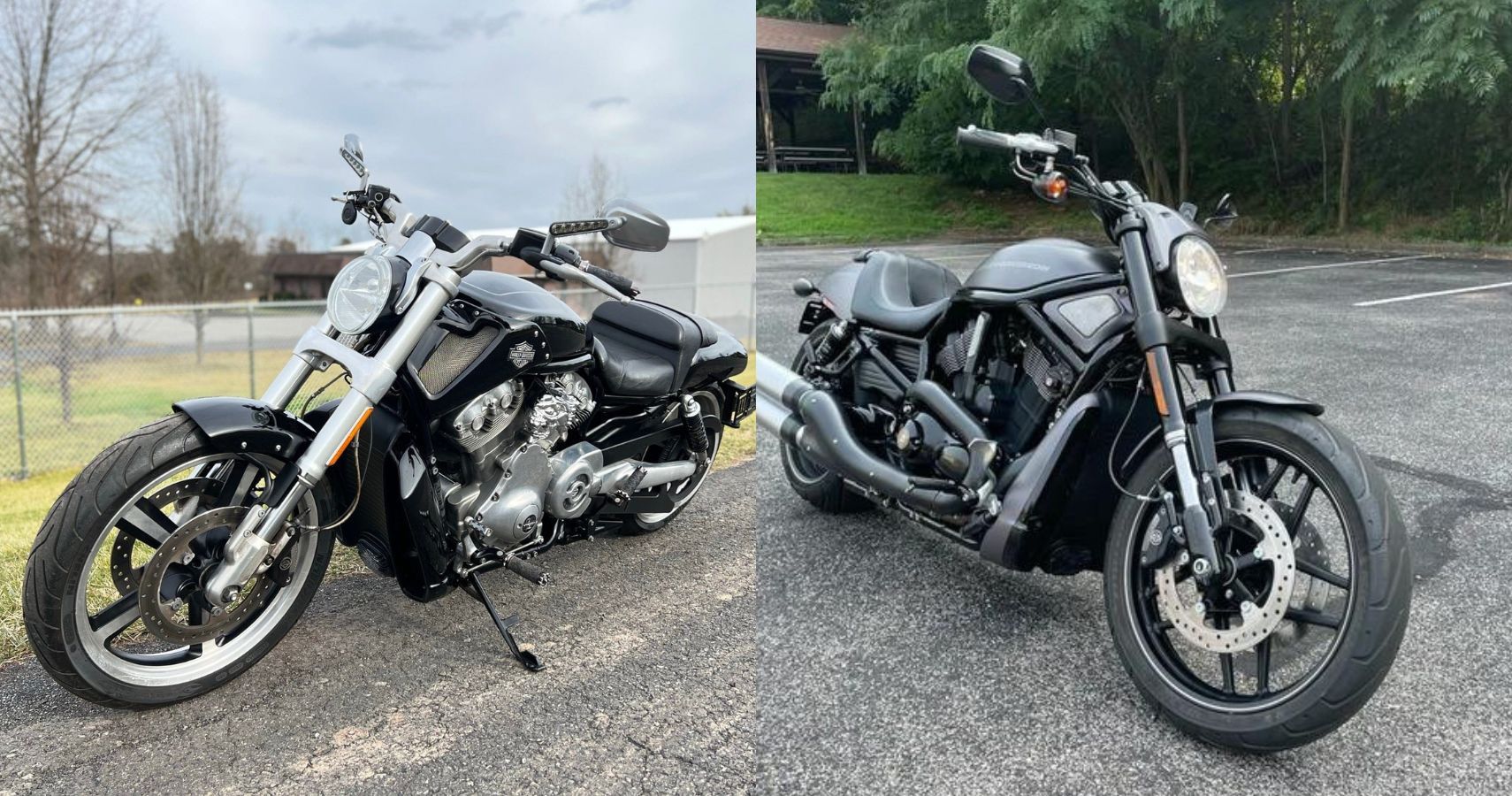
When it comes to Harley-Davidson muscle bikes, the debate between the 2009 Harley V-Rod and the V-Rod Muscle is far from settled. These two beasts from Milwaukee offer riders a unique blend of power, style, and attitude, but which one truly dominates the landscape of heavyweight performance cruisers? The question isn’t just which bike is better—it’s which one commands the road with an unmistakable swagger that matches the rider’s soul. Let’s dive deep into what sets these two motorcycles apart and see which might claim the crown.
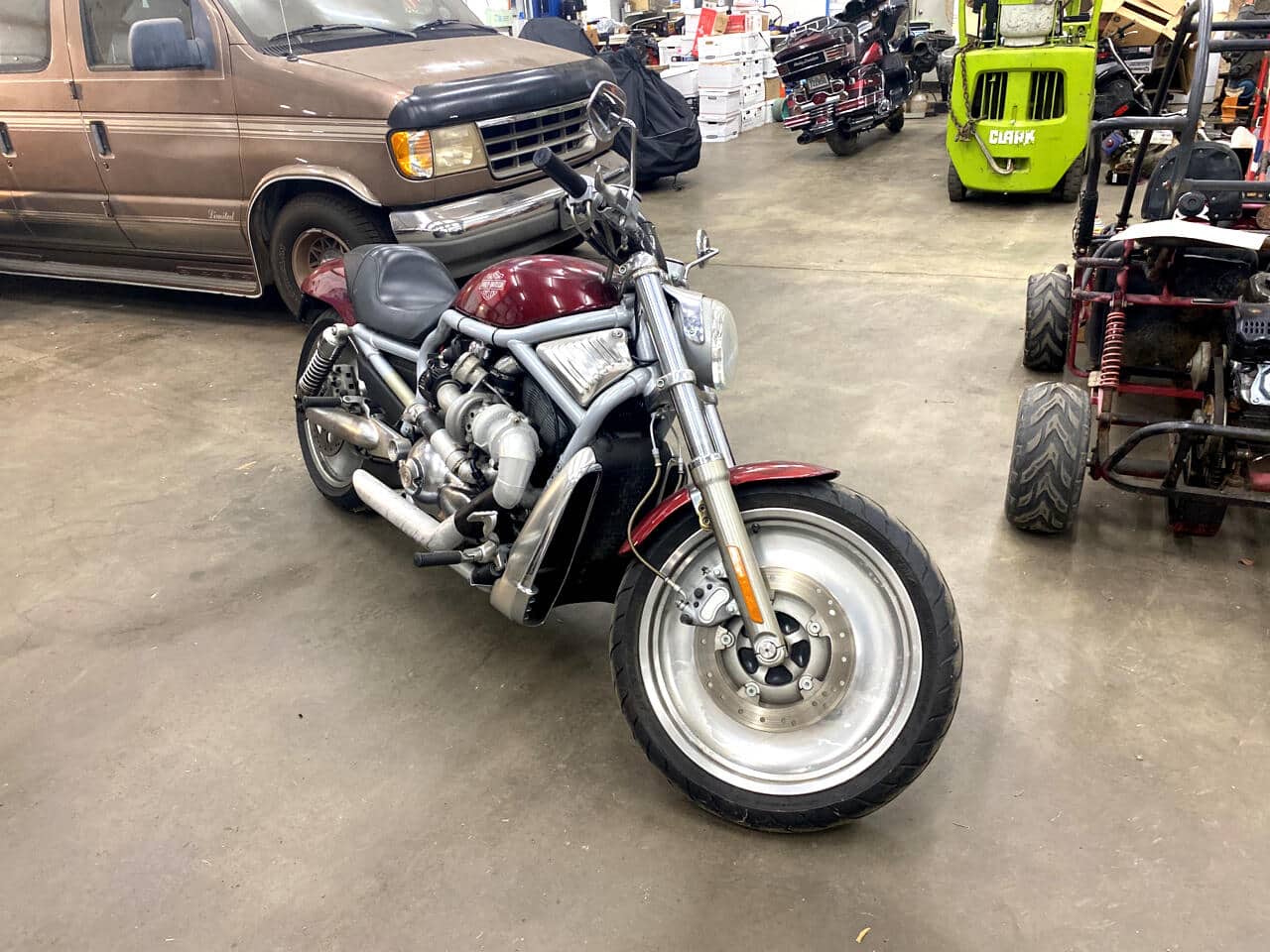
The 2009 Harley V-Rod stands as a testament to Harley’s venture into a more modern, avant-garde motorcycle design. It’s a harmonious marriage of the classic Harley ethos and cutting-edge technology. Powered by the liquid-cooled Revolution engine, co-developed with Porsche, this V-Rod was a revelation when it was released. Unlike traditional air-cooled V-twins, the Revolution engine provided a smoother, more consistent power curve with an impressive 1130cc displacement that churned out around 115 horsepower. The engine’s high-revving potential invited riders to explore a spectrum of speeds that felt exhilarating yet in control.
In terms of aesthetics, the 2009 V-Rod offered a low-slung frame with a stretched design—long and lean, with a forward-leaning stance. Its muscular aluminum frame gave it both rigidity and weight savings, which translated to agile handling and a ride quality that was surprisingly nimble for such a substantial cruiser. The bike echoed the spirit of American muscle, with an aggressive yet refined demeanor that appealed to those who wanted both substance and street cred.
Then came the V-Rod Muscle, the bolder, more unapologetic sibling, introduced later in the model lineup. This bike dialed up the intensity in virtually every aspect. Under its broad, stretched frame lurked a beefed-up 1250cc Revolution engine, pumping out a riotous 125 horsepower. The extra displacement meant a throaty growl and an abundance of torque, giving the rider nearly irresistible acceleration and a domineering presence on the asphalt.
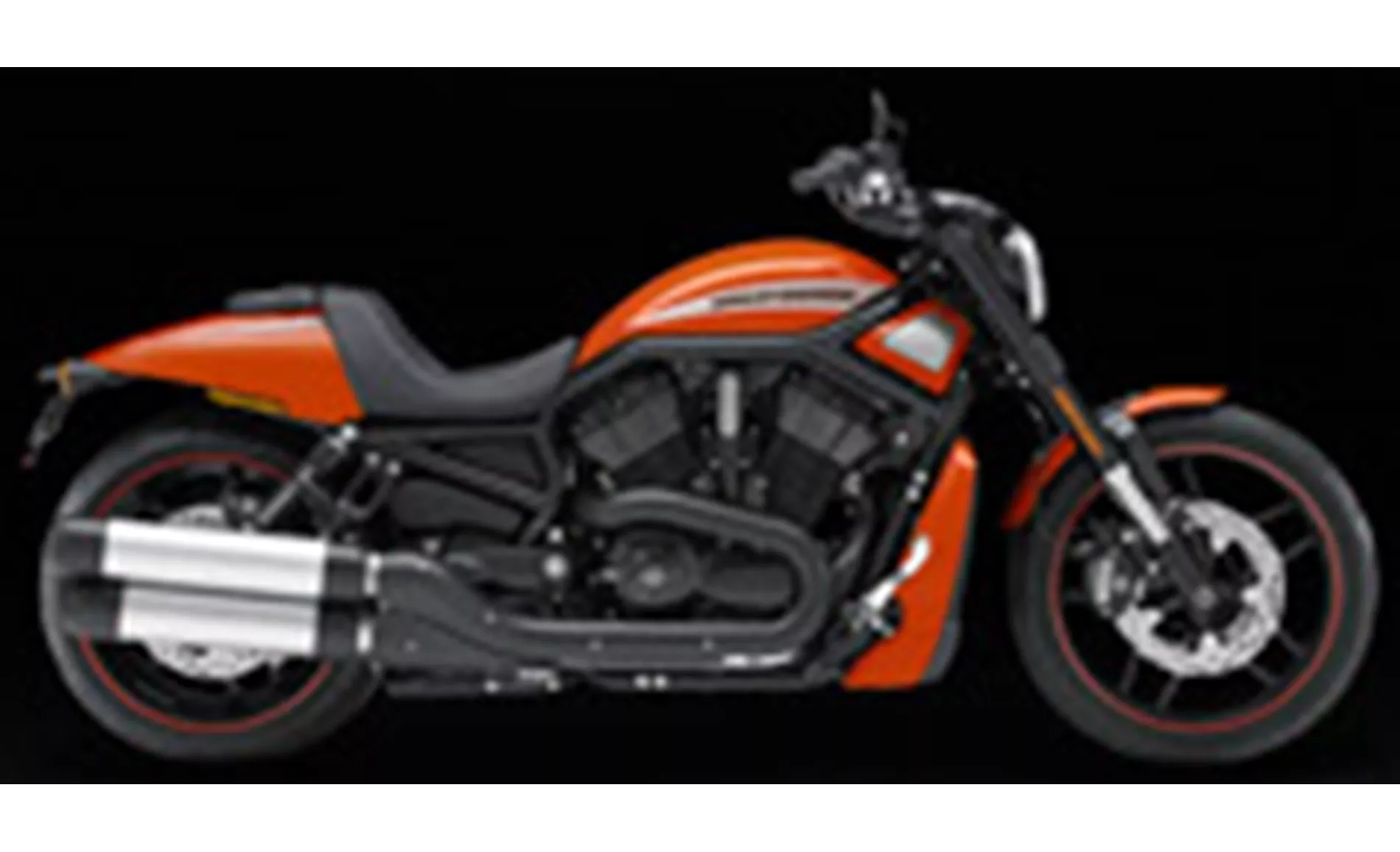
What truly sets the Muscle apart, however, is its imposing silhouette. The V-Rod Muscle’s aggressively sculpted tank, fat rear tire, and minimalistic fender design scream power and performance. Its aesthetic borrows from hot rods and drag racing culture, paying homage to raw, unfiltered speed with a massive 240mm rear tire and a cockpit setup that forces the rider into an assertive, commanding pose. It’s a bike that doesn’t just invite attention—it demands it.
While both bikes share the Revolution engine base, the V-Rod Muscle’s upgrades are more than mere horsepower bragging rights. The chassis was reinforced to handle the added power and tire width. Suspension components were tuned for better stability and cornering prowess. Despite its heavier build compared to the 2009 V-Rod, the Muscle strikes a delicate balance between brute force and rider control, making it suitable for both comfortable cruising and aggressive bursts down open roads.
When evaluating ergonomics, the 2009 V-Rod and the Muscle carve out distinctly different riding experiences. The earlier V-Rod invites a more relaxed posture, with mid-mounted foot controls and a seat designed for extended trips. It strikes a compromise between cruiser comfort and sportbike dynamics, appealing to riders who want versatility without sacrificing flair.
The V-Rod Muscle, on the other hand, positions the rider in a more forward-leaning stance, almost challenging the road itself. This setup echoes the spirit of drag racing, emphasizing quick throttle hand-ups and rapid sprints rather than leisurely Sunday rides. The aggressive ergonomics reward those who howl at the throttle and want their motorcycle to mirror that intensity.
An oft-overlooked facet is the sound profile of these machines. The distinctive growl of the Revolution engine resonates differently in each bike due to varying exhaust configurations and tuning. The 2009 V-Rod offers a deep, somewhat muted rumble—assertive but refined. The Muscle, however, unleashes a coarse, throaty roar that can echo down city streets and through winding canyons alike. The auditory feedback alone sets the tone for the rider’s experience and personal connection to the bike.
Now, what about handling? Despite their substantial weight and muscular builds, both bikes excel in corners, but with different emphases. The 2009 V-Rod’s lighter frame and well-balanced chassis make it more nimble and forgiving when weaving through traffic or carving tight bends. It’s the bike for those who crave a blend of classic cruiser mojo with a touch of sportiness.
The V-Rod Muscle commands a different respect on the road. Its heavier mass and wider tire improve straight-line stability but require a more deliberate touch when cornering. It’s designed for those confident enough to master its heft and willing to wield its power with precision, rewarding skilled riders with thrilling performance on less twisty terrain.
As the debate rages on, practical considerations also weigh heavily in the rider’s mind. Fuel economy, maintenance, aftermarket support, and customization potential all come into play. Both versions benefit from Harley-Davidson’s extensive dealer and parts network, but the earlier 2009 V-Rod’s longer tenure makes finding affordable upgrades and replacement parts somewhat easier. Conversely, the V-Rod Muscle’s distinctiveness and iconic status attract riders looking for a standout build that stands apart in customization circles.
When considering resale value, the V-Rod Muscle may edge out the 2009 model. Its aggressive styling and enhanced performance have cemented its status as a collector’s favorite, often commanding premium prices in the used market. The 2009 V-Rod, while admired, may appeal more to purists who value its pioneering role in expanding Harley’s muscle bike segment.
So what’s the verdict? Does the original 2009 Harley V-Rod’s blend of modern engineering and cruiselike comfort outshine the raw, unrelenting scream of the V-Rod Muscle? Or does the Muscle’s sheer presence and amplified power make it the undisputed king of Harley-Davidson muscle bikes? Ultimately, the answer depends on what a rider values most: refined versatility or unapologetic power.
Both motorcycles represent daring chapters in Harley-Davidson’s evolution, unshackling the brand from purely traditional cruiser territory and ushering in a new era of muscular, performance-oriented machines. Whether it’s the 2009 V-Rod’s elegant synthesis of form and function or the V-Rod Muscle’s thunderous, aggressive charisma, each bike stakes a compelling claim to supremacy.
At the end of the day, the challenge is less about crowning a definitive winner and more about embracing the exhilarating choices Harley-Davidson has offered riders. The question isn’t solely “Which one wins?” but rather, “Which bike wins your heart and your ride?” The road awaits—muscle up and decide.