In the realm of sport motorcycles, few comparisons spark as much intrigue and debate as the showdown between the 2009 Kawasaki Ninja 650R and the 2009 Kawasaki Ninja ZX-6R. On the surface, this juxtaposition might seem like a straightforward pitting of speed against comfort — the Ninja ZX-6R renowned for its aggressive performance, and the Ninja 650R acclaimed for its rider-friendly ergonomics. However, beneath this apparent dichotomy lies a richer narrative about the purposes these machines serve, and the subtle allure that continues to bind riders and enthusiasts alike.
Delving first into the lineage and philosophy of these two motorcycles unveils the core of their identity. The Ninja 650R, a middleweight twin-cylinder marvel, embodies a balanced approach. Crafted for those who cherish versatility, it blends everyday usability with enough sportiness to keep weekend rides exhilarating. Its parallel-twin engine, configured for manageable power delivery, ensures the rider is never overwhelmed, promoting confidence on both urban streets and winding country roads.
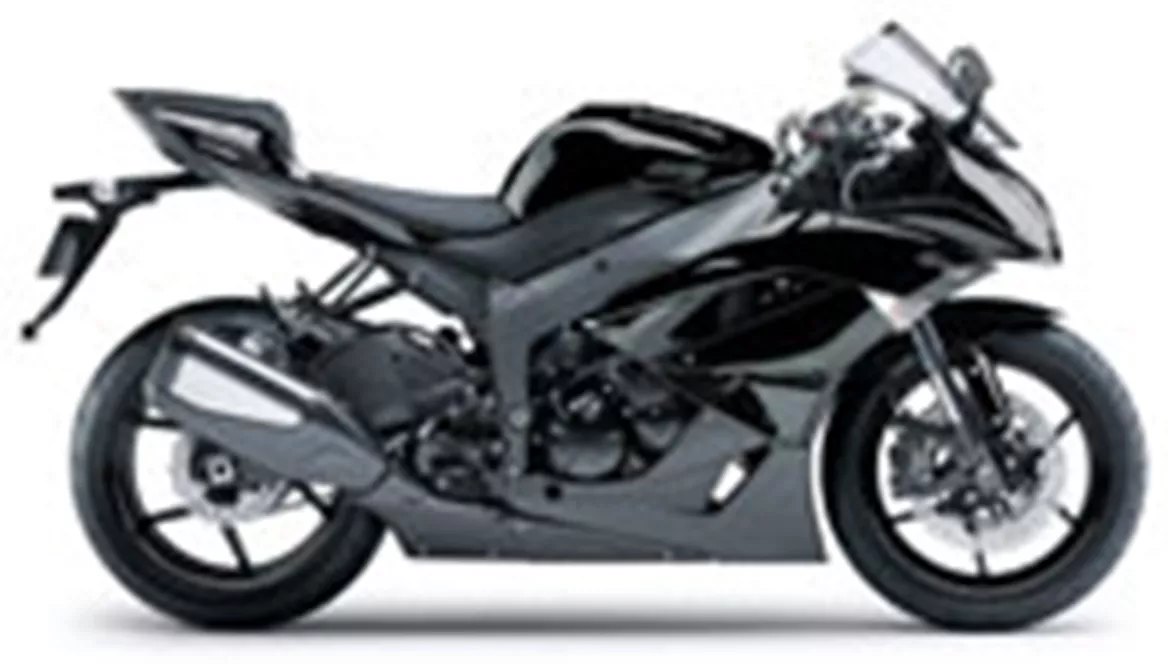
Contrastingly, the Ninja ZX-6R is a revered inline-four from Kawasaki’s storied “ZX” lineup, positioned as a purebred supersport contender. Built with a keen focus on track-ready speed and razor-sharp handling, its higher-revving engine unleashes a rush of adrenaline that epitomizes the very essence of sportbike performance. This machine prioritizes agility and acceleration, featuring a chassis that demands precision and a riding posture that immerses the rider into the world of aggressive cornering and high-speed thrill.
The ergonomic divergence between the two models speaks volumes about their envisioned audiences. The Ninja 650R accommodates riders with its more upright seating position and broader handlebar spread, inviting long rides without undue fatigue. Comfort reigns supreme; an approachable saddle height and a supple suspension setup effectively neutralize road imperfections. This combination translates into a machine that becomes a reliable companion for daily commutes and extended touring without sacrificing a hint of exhilaration.
On the other hand, the Ninja ZX-6R demands a more committed rider posture, with low clip-on handlebars and rear-set foot pegs that subtly encourage a tucked-against-the-wind demeanor. Such positioning optimizes aerodynamics and weight distribution, escalating cornering stability and nimbleness at high speeds. However, this posture comes at a comfort cost, particularly on extended journeys or congested city traffic scenarios, where the rider’s wrists and back can feel the strain of maintaining an aggressive stance.
Examining their powertrains reveals distinct character lines. The Ninja 650R’s 649cc parallel-twin engine produces a respectable, tractable power output that delivers linear torque, which is particularly gratifying for riders looking for smooth acceleration that avoids abrupt surges. This engine rewards measured throttle control, creating an inviting riding experience for novices and seasoned motorcyclists seeking balance — a ride that can skillfully navigate stop-and-go traffic while still possessing the legs to enjoy spirited highway blasts.
The ZX-6R’s 599cc inline-four, conversely, operates within a higher rev range, offering a rapid surge of power that’s designed to dominate racetracks and twisty backroads. Power delivery is more aggressive, with sharp throttle response that challenges riders to harness precision and control. This visceral output can also render the bike less forgiving, demanding a higher skill ceiling and respect at various speed thresholds. The result? A pulse-quickening machine that commands attention and respect in equal measure.
Beyond mechanical specs, there’s an intangible magnetism to these bikes rooted in their symbolic representations. The Ninja 650R often serves as a gateway—a harmonious blend of accessible performance and comfort that resonates with riders who desire versatility over all-out speed. It symbolizes a pragmatic yet spirited lifestyle, where the freedom of two wheels is embraced without the need for extreme commitment or sacrifice.
The ZX-6R, by contrast, embodies the aspirational ethos of supersport motorcycling—speed, precision, and an edge-of-the-seat riding philosophy. It captivates those drawn toward the art of pushing boundaries, refining riding technique, and savoring the rush of acceleration borne from refined engineering and painstaking chassis tuning. It is a machine for the enthusiast who views motorcycling as a finely honed craft rather than just transportation.
Interestingly, these two models delineate a broader conversation about what attracts riders to motorcycling itself. The dichotomy of speed versus comfort is a microcosm of the diverse motivations behind motorcycle ownership—whether it is the yearning for thrill, the search for practical urban mobility, or the pursuit of balance between these extremes. It’s precisely this duality that maintains the fascination with sportbikes like the Ninja 650R and the ZX-6R, as they allow riders to tailor their experience according to personal priorities and evolving preferences.
In sum, the 2009 Kawasaki Ninja 650R and Ninja ZX-6R represent more than just machines differentiated by displacement or power curves. They encapsulate contrasting philosophies in motorcycling—the contemplative enjoyment of riding versus the pursuit of peak performance. While the Ninja 650R offers a welcoming embrace of comfort and control, the ZX-6R challenges the rider to master its formidable capabilities and indulge in its relentless speed.
For enthusiasts and casual riders alike, the dialogue between these two models underscores the enduring complexity and multifaceted nature of motorcycling. It reveals why the sport continues to enthrall so many: the endless quest to find a machine that both mirrors and enhances one’s identity, riding style, and aspirations.