When it comes to choosing a middleweight motorcycle that balances power, agility, and everyday practicality, the Kawasaki Ninja lineup naturally commands attention. But here lies a playful conundrum: should you saddle up with the nimble 2010 Ninja 500 or opt for the more robust and nuanced Ninja 650R? On the surface, both bikes promise thrills, yet their character and capabilities diverge in ways that make this decision far from straightforward. Let’s unpack the elements that distinguish these two models and dive deep into which might better suit your riding aspirations.
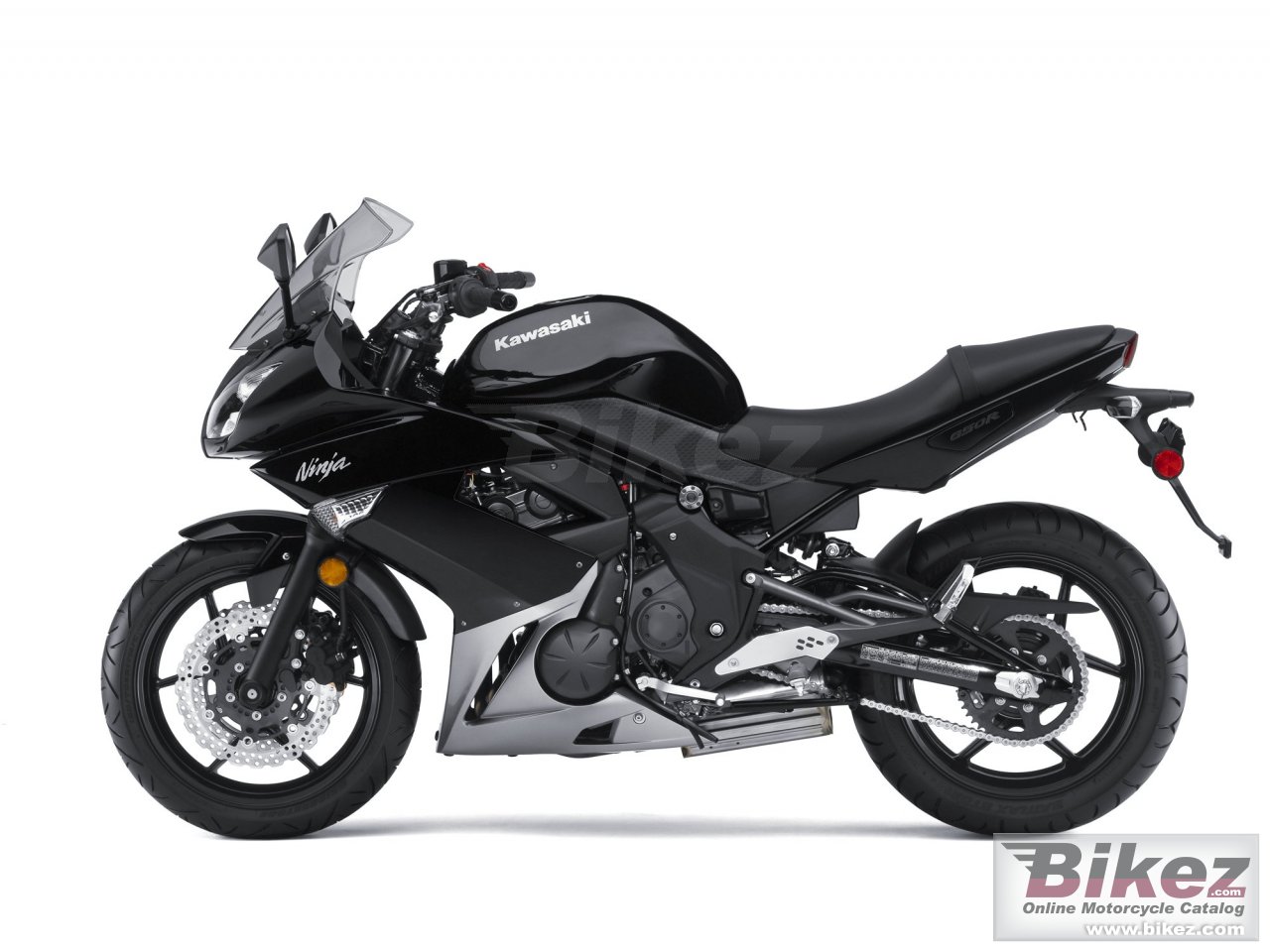
First, consider the essence of the 2010 Kawasaki Ninja 650R. This machine is a refined synthesis of performance and usability, designed to entice the rider who desires more grunt without losing the accessibility of a middleweight sport bike. Beneath its aerodynamic fairings lies a 649cc parallel-twin engine, meticulously tuned to deliver an engaging yet manageable thrust. The power output, hovering around 67 horsepower, injects ample vitality, especially when you test the throttle mid-corner or on a sweeping highway stretch. Its ride is not about raw aggression but rather a harmonious blend of power and smoothness, lending itself well to both spirited rides and daily commuting.
Contrastingly, the Ninja 500, known during its production years as the Ninja 500R, represents the more traditional entry-level sportbike ethos. With a 498cc parallel-twin motor, it offers a more modest 49 horsepower output. This translates to a lighter, more approachable ride ideal for novice riders or those who crave simplicity without sacrificing the sporty silhouette and dynamics synonymous with the Ninja badge. The Ninja 500’s agility in urban environments and on twisty back roads is noteworthy, as its lighter curb weight and less demanding powerband help foster confidence and ease of handling.
How do these two machines compare when it comes to design and ergonomics? The 2010 Ninja 650R exhibits a more modern flaunt, with fuller bodywork that accentuates its sporty pedigree. Its fairing improves wind protection markedly compared to the Ninja 500, meaning longer rides can be more comfortable, reducing fatigue at higher speeds. The riding position leans slightly more aggressive while maintaining a level of comfort that doesn’t punish your wrists or back during extended use. Meanwhile, the Ninja 500 retains a more stripped-down, minimalistic approach. Its simpler design appeals to purists who favor a lightweight chassis with fewer distractions but may concede some aerodynamic refinement and wind shielding.
Technology within these two models is another significant axis of differentiation. The 650R boasts more contemporary features including a more advanced fuel injection system—heightening throttle response and efficiency. The braking system, equipped with dual front discs and ABS options in certain trims, elevates safety without diminishing excitement. Conversely, the Ninja 500, though reliable, leans on older carbureted setups in its earliest forms and typically features single-disc front brakes, which, while sufficient, may not inspire the same level of confidence as the 650R during emergency stops or spirited descending.
But let’s shift our gaze toward handling, an area where rider feedback often reveals nuanced preferences. The Ninja 500’s lightweight chassis and slightly narrower profile make it a nimble companion through congested city streets and technical corners. Riders who prize quick flickability and a responsive feel will find their smiles indulge in the 500’s agility. However, this nimbleness sometimes comes at the expense of high-speed stability, where the bike can feel a bit unsettled in turbulent air or on uneven pavement.
The Ninja 650R, with its longer wheelbase and refined suspension setup, compensates by delivering a planted and composed ride over diverse terrains and speeds. Suspension components, including adjustable rear shocks, contribute to this plush yet responsive demeanor. This quality allows the 650R to absorb imperfections in the road while conveying crisp feedback, an evolution that can be extremely appealing for riders who oscillate between commuting, spirited weekend rides, and occasional longer journeys.
A critical, and often decisive, facet in this comparison is fuel economy. The Ninja 500 consistently bests the 650R in this domain, typically returning higher miles per gallon due to its smaller displacement and simpler fuel delivery. For budget-conscious riders or commuters with long daily mileage, this factor cannot be underestimated. The 650R’s thirstier nature is the trade-off for its elevated performance and modern attributes.
Insurance costs and maintenance are also practical considerations. The Ninja 500, classified firmly in the entry-level segment, generally commands lower insurance premiums—a boon for newer riders or those seeking minimal ongoing expenses. Maintenance on the 500 tends to be straightforward as well, thanks to its simpler mechanical systems and the widespread availability of parts. The 650R, while not exorbitantly complex, can involve higher service costs and marginally more intricate tuning due to its advanced fuel injection and added features.
Then comes the intangible factor—riding pleasure and the emotional connection a bike evokes. The Ninja 650R offers the visceral thrill of stronger acceleration and the satisfaction of handling more weight with finesse. It invites riders to push boundaries with a sense of security and confidence. The 500, meanwhile, charms with a lightweight feel that nurtures skill-building and instills an unpretentious joy of riding, making every twist and turn feel accessible and rewarding.
So, which should you buy? If your priority is a motorcycle capable of growing with your skillset, allowing you to enjoy daily rides as much as weekend escapes, the 2010 Ninja 650R stands out as a compelling contender. It impresses with modern engineering, balanced performance, and enhanced comfort. Yet, if you’re a newcomer to motorcycling or prefer a nimble, economical machine that’s easy to handle and maintain without fuss, the Ninja 500 represents a pragmatic and fun choice that won’t overwhelm.
The final verdict hinges on your riding style, experience, and lifestyle needs. Both motorcycles bear the iconic Ninja name and deliver the fundamental thrill of sportbike riding but cater to subtly different audiences. Embracing the challenge of choosing between them ultimately reveals as much about what you seek from the ride as what the machines themselves provide.