It is a common observation among motorcycling enthusiasts: the 2010 Kawasaki ZX-10R often sparks a certain intrigue that goes beyond simply being a high-performance machine. What is it about this superbike that captivates riders and aficionados alike, compelling them to study every curve, every technical specification, every nuance of its engineering? The answer lies within a blend of raw power, precision engineering, and an almost enigmatic synergy between rider and machine that has defined the ZX-10R’s legacy in the fiercely competitive literbike segment.
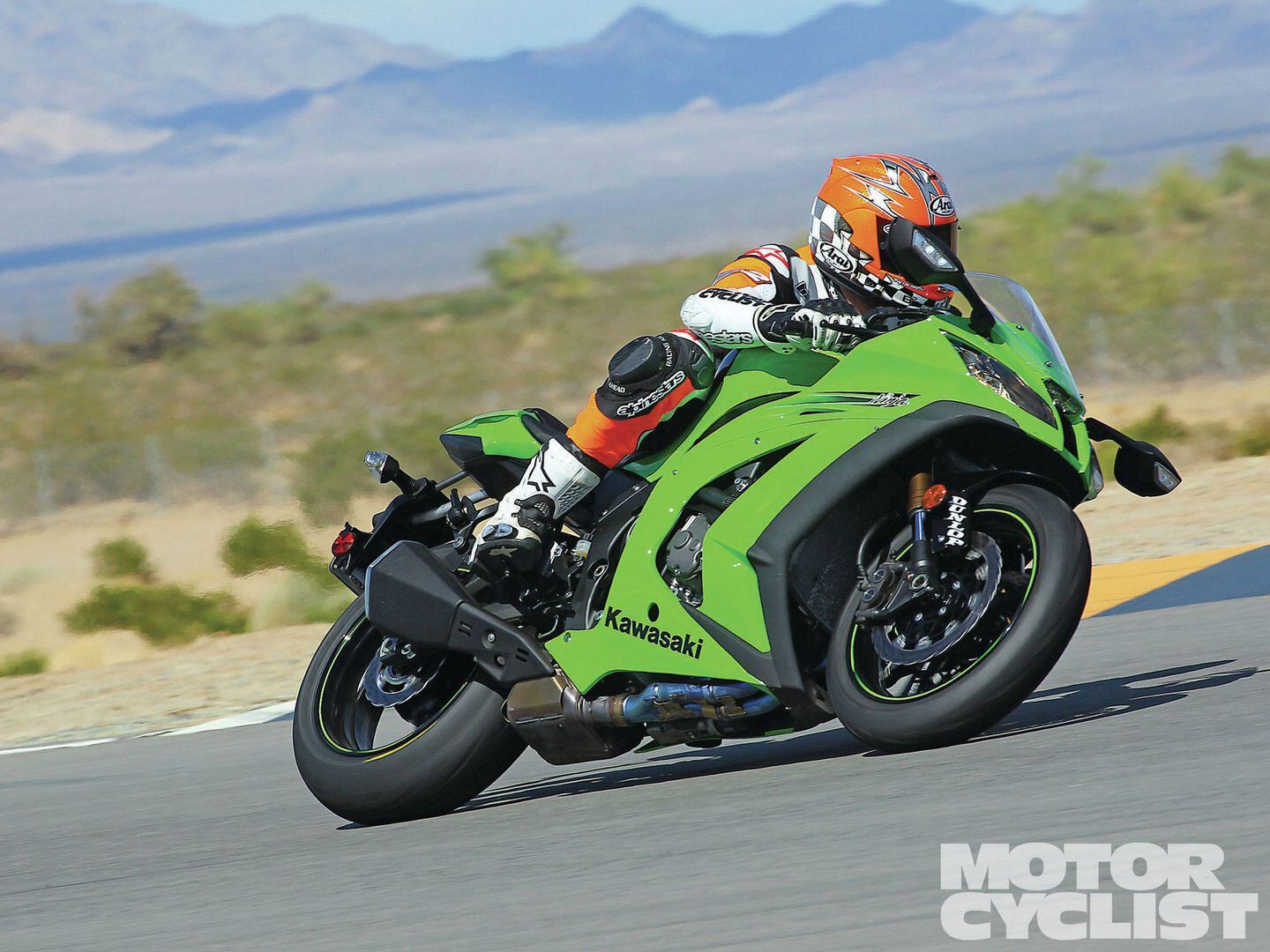
At first glance, the 2010 Kawasaki ZX-10R appears as a sleek, aerodynamic force of nature. It is not merely the aggressive styling that arrests attention but the promise of unparalleled performance echoing beneath the fairings. Kawasaki designed this machine not simply to compete but to dominate, weaving a narrative of speed, agility, and advanced engineering that speaks directly to the primal thrill associated with superbike racing. Yet, what truly imbues this model with lasting fascination is how it manages to balance the brutal power of a liter-class engine with a chassis and suspension setup that promotes rider confidence and precision control.
The heart of the 2010 ZX-10R is its formidable 998cc inline-four engine. Engineered to rev high and generate substantial horsepower, the powerplant delivers a visceral rush of energy that commands respect. This motor is no mere brute; it incorporates sophisticated internal design elements such as a high compression ratio and a carefully tuned intake system, enabling it to deliver upwards of 180 horsepower. It’s this harmonious blend of torque and top-end power that creates a riding experience both intoxicating and manageable, pushing the boundaries of what was once thought possible for street-legal motorcycles.
Delving deeper, one must consider the meticulous attention given to the bike’s chassis and suspension design. The ZX-10R employs a lightweight aluminum perimeter frame, engineered for maximum rigidity and minimal flex. This framework serves as a stable platform, translating the engine’s ferocity into precise handling characteristics. Complemented by high-performance Showa suspension components, the bike offers a balanced ride that absorbs road irregularities without compromising feedback or control. This synergy between frame, suspension, and engine performance encapsulates the engineering mastery that entices riders, providing a feeling of connectedness that separates amateurs from seasoned riders.
The braking system too deserves thorough consideration. The 2010 model features dual 310mm petal discs with radial-mount calipers, delivering formidable stopping power capable of handling the bike’s high-speed potential. The tactile feedback from the brakes enhances rider confidence, allowing for aggressive corner entries and safer emergency stops. This level of componentry was, at the time, a clear indicator of Kawasaki’s commitment to marrying raw power with sophisticated control mechanisms, highlighting the company’s understanding that a superbike’s performance is only as good as its ability to rein it in.
What sets the ZX-10R apart from many contemporaries is its advanced electronic systems that were pioneering for the model year. Kawasaki integrated a digital instrument cluster that not only provided essential readouts but also contributed to a futuristic, race-inspired ambiance. While the bike did not yet feature traction control systems that have become the norm today, its precise throttle calibration and engine mapping offered riders a level of modulation that felt remarkably refined. In an era transitioning towards electronic rider aids, the ZX-10R represents a pivotal point where mechanical prowess was harmonized with emerging technology, enhancing the overall riding experience without diminishing the raw, unfiltered essence of superbike performance.
Beyond the specifications and engineering, the fascination with the 2010 Kawasaki ZX-10R may be rooted in its cultural and emotional resonance. This superbike captured the imagination during a period where liter-class machines were blurring the lines between race track exclusivity and street usability. Riders were no longer content with mere speed but craved a deeper connection—an extension of their own senses and capabilities through technology and design. The ZX-10R embodies this philosophy, offering an elusive blend of accessibility and extremity. It appeals not only to those who appreciate mechanical engineering but to those who seek a particular artistry in how those engineering feats manifest on two wheels.
Moreover, the ZX-10R’s influence permeates beyond the track and showroom floors. It maintains a sustained presence in competitive racing circuits, a testament to its durability and adaptability. Success in professional racing tournaments has bolstered its reputation, further elevating the mystique and appeal among everyday riders who aspire to wield a machine proven in the crucible of sportbike competition. This dynamic interplay between competition pedigree and street-legal practicality continues to fuel the ZX-10R’s allure, making it a favored subject of in-depth analysis and admiration.
The design language of the 2010 ZX-10R also contributes significantly to its magnetism. Sharp, angular lines converge with aerodynamic efficiency, creating a form that suggests speed even when at rest. The aggressive stance serves both function and form, minimizing drag while maximizing stability at high velocities. This visual vocabulary of power and precision signals that every element of the bike has been purpose-built around performance optimization, reinforcing the idea that the ZX-10R is not just a motorcycle, but a finely tuned instrument engineered for exhilarating mastery.
In sum, the enduring fascination with the 2010 Kawasaki ZX-10R arises from a confluence of factors: blistering power delivered through a precisely engineered engine, a chassis that invites confident and accurate control, cutting-edge technologies that enhance rather than overshadow the riding experience, and a design that embodies the spirit of competitive superbiking. Yet, underlying all these tangible attributes is a less quantifiable element—an emotional connection elicited by the bike’s ability to transform speed and mechanics into an experience that feels uniquely personal and thrilling. It is this ineffable quality that keeps the ZX-10R etched in the minds of riders and enthusiasts long after the engine has cooled.