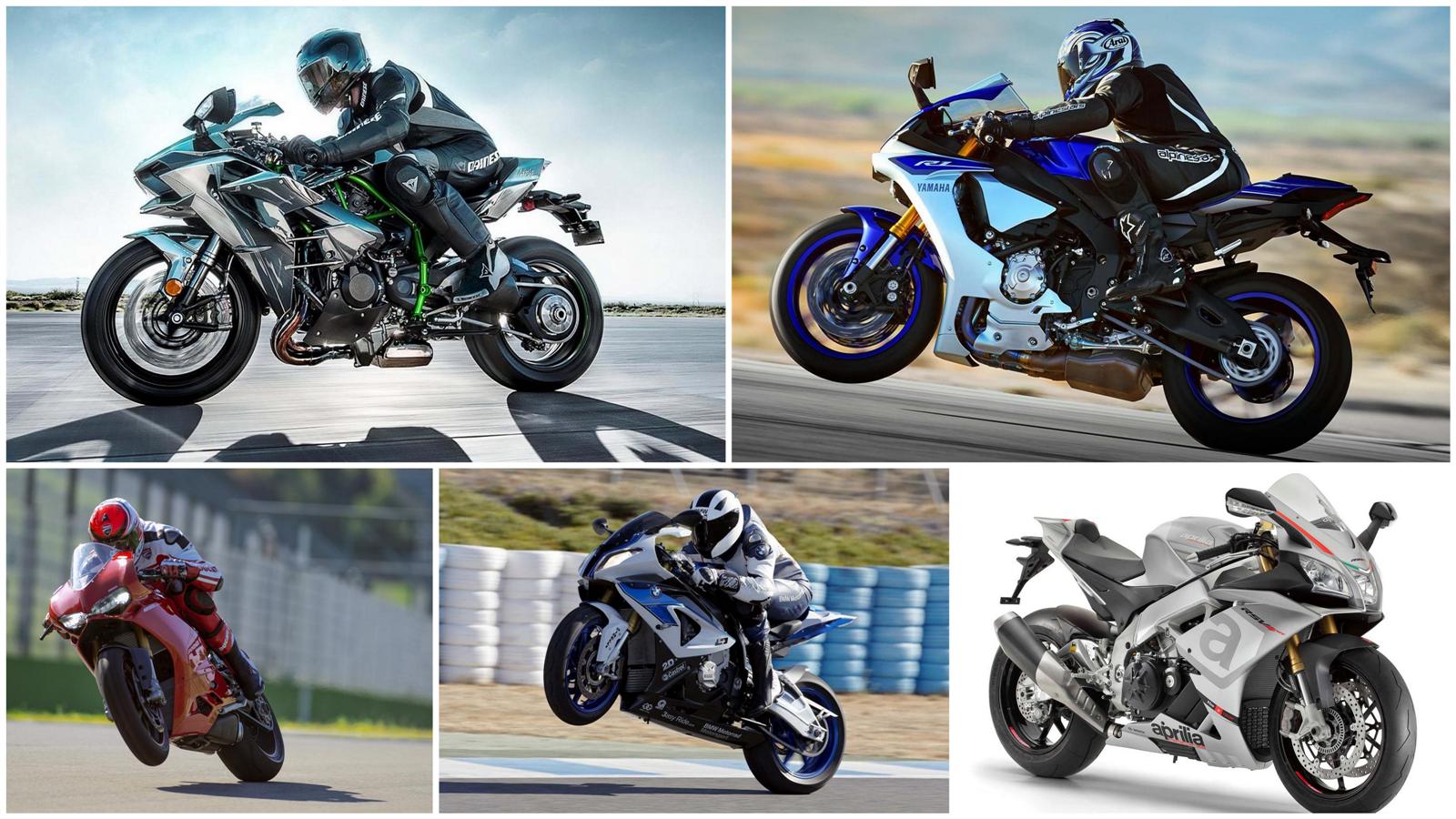
The early 2010s marked a significant era in the realm of superbikes, where engineering marvels clashed with breathtaking ferocity and technological ingenuity. Among the titans of this epoch, the 2011–2012 BMW S1000RR, Ducati Panigale 1199, and Honda CBR1000RR stood as paragons of speed, precision, and innovation. Each machine captivated enthusiasts and critics alike, not merely through raw specifications but by invoking a deeper fascination—a blend of artistry, engineering prowess, and the relentless pursuit of supremacy on both street and track.
At first glance, the superbike battle between these machines can seem straightforward—compare horsepower, torque, chassis, and electronics. However, beneath the surface lies a complex narrative of brand philosophies, engineering priorities, and rider intimacy that continue to fuel the allure of these motorcycles. This battle was not just about blistering lap times; it was a dialogue in metal and rubber, a symphony of mechanical excellence choreographed under the demands of riders seeking the perfect balance of ferocity and control.
The BMW S1000RR burst onto the scene replete with a razor-sharp focus on cutting-edge electronics and chassis dynamics. In 2011, BMW unveiled their flagship superbike armed with a sophisticated suite of rider aids including multiple riding modes, dynamic traction control, and an incredibly lightweight frame. Its inline-four engine delivered a potent blend of horsepower and responsiveness, eclipsing many rivals in sheer performance. What set the S1000RR apart was its seamless integration of technology designed to harness and hone the bike’s ferocious power without overwhelming the rider—ushering in a new era where electronics met raw mechanical force to deliver unprecedented control.
In parallel, Ducati’s Panigale 1199 revolutionized superbike design with an almost surgical approach to weight reduction and chassis innovation. Ducati introduced the monocoque frame, a radical departure from traditional twin-spar frames, which served both as the structure and airbox, dramatically lowering the bike’s overall weight. Its liquid-cooled V-twin engine was a masterpiece of Italian craftsmanship, boasting a unique character defined by its explosive torque and visceral soundtrack. The Panigale’s allure wasn’t limited to sheer speed; it invoked a visceral connection, a primal thrill that transcended numbers on a dyno. This bike was sculpted not just for performance but for an emotive ride experience, crafting an intimate union between man and machine that stirred a passionate following.
Meanwhile, Honda’s CBR1000RR entered the fray as a stalwart embodiment of reliability, balance, and relentless refinement. By 2011 and 2012, Honda had sharpened its focus on aerodynamic efficiency and chassis rigidity, ensuring the CBR1000RR delivered a sublime harmony of stability at high speeds and nimbleness through twisty corners. Though it didn’t flaunt the flamboyance of its competitors, it commanded respect through its methodical engineering perfection. Honda’s approach was less about flamboyant innovation and more about consistent, adaptable performance—a framework that resonated with riders seeking a motorcycle both forgiving and capable on both street and circuit.
The fascination with this triad of superbikes rests on their contrasts as much as their similarities. The S1000RR echoed the ethos of German engineering—precise, technologically sophisticated, and unapologetically performance-driven. The Panigale encapsulated the raw passion and artistry of Italian design intertwined with cutting-edge engineering bravery. Meanwhile, the CBR1000RR expressed the disciplined, tireless craftsmanship and functional elegance characteristic of Japanese engineering. Each reflected not only the brand’s identity but the cultural nuances that influenced engineering choices and rider experience.
This period also saw an evolution in electronics that deeply influenced the superbike narrative. Traction control, ABS, and selectable riding modes were no longer ancillary features but vital tools that expanded the envelope of rider capabilities. The 2011–2012 battleground demonstrated how an adept electronic suite could enhance a bike’s performance without neutering its spirit. The seamless symbiosis between man, machine, and microchip transformed not only how fast these motorcycles could go but how confidently that speed could be harnessed. It was a turning point where technology became a mediator between the rider’s intent and the bike’s mechanical potential.
Equally compelling was the intense role of chassis design and weight distribution in defining riding dynamics. The Panigale’s monocoque frame was a testament to rethinking convention under the banner of sculpted lightness, while BMW and Honda focused intensely on fine-tuning rigidity and balance to enhance cornering precision. Though these approaches diverged in methodology, their ultimate goal was convergence—a machine that could inspire rider confidence and invite aggressive riding without compromise.
Another less obvious element of fascination involved the sensory experience unique to each machine. The howl of the Panigale’s twin-cylinder engine throbbing through the exhaust, the razor-sharp responsiveness of the S1000RR’s inline-four howl carving through RPM, and the steady, unwavering pulse of the CBR’s reliable engine all contributed to distinct emotional landscapes. These weren’t mere performance machines but extensions of rider identity, personality, and style. The sound, feel, and feedback of each bike created intangible yet indelible bonds that nurtured loyalty and admiration beyond mere specifications.
In essence, the 2011–2012 superbike showdown was far more than a competition on paper; it was an intricate ballet of innovation, philosophy, and passion. Riders and aficionados found themselves captivated not just by who had the fastest bike but by what these machines represented within the evolving narrative of motorcycling. They signified the zenith of an era where tradition met futurism, where brute power wove seamlessly into refined technological artistry. The allure of this period endures because it echoes the deepest desires of enthusiasts seeking mastery, exhilaration, and identity on two wheels.
As the dust settled on this iconic battle, the legacy of the BMW S1000RR, Ducati Panigale 1199, and Honda CBR1000RR persists, not merely in lap records or sales figures but in the mythology of superbikes. They remain examples of engineering daring and soulful riding experiences that continue to inspire. This triumvirate exemplifies why the superbike battlefield commands such fascination—because it is a convergence of culture, technology, and emotion that transcends mere machines to embody the very spirit of motorcycling itself.