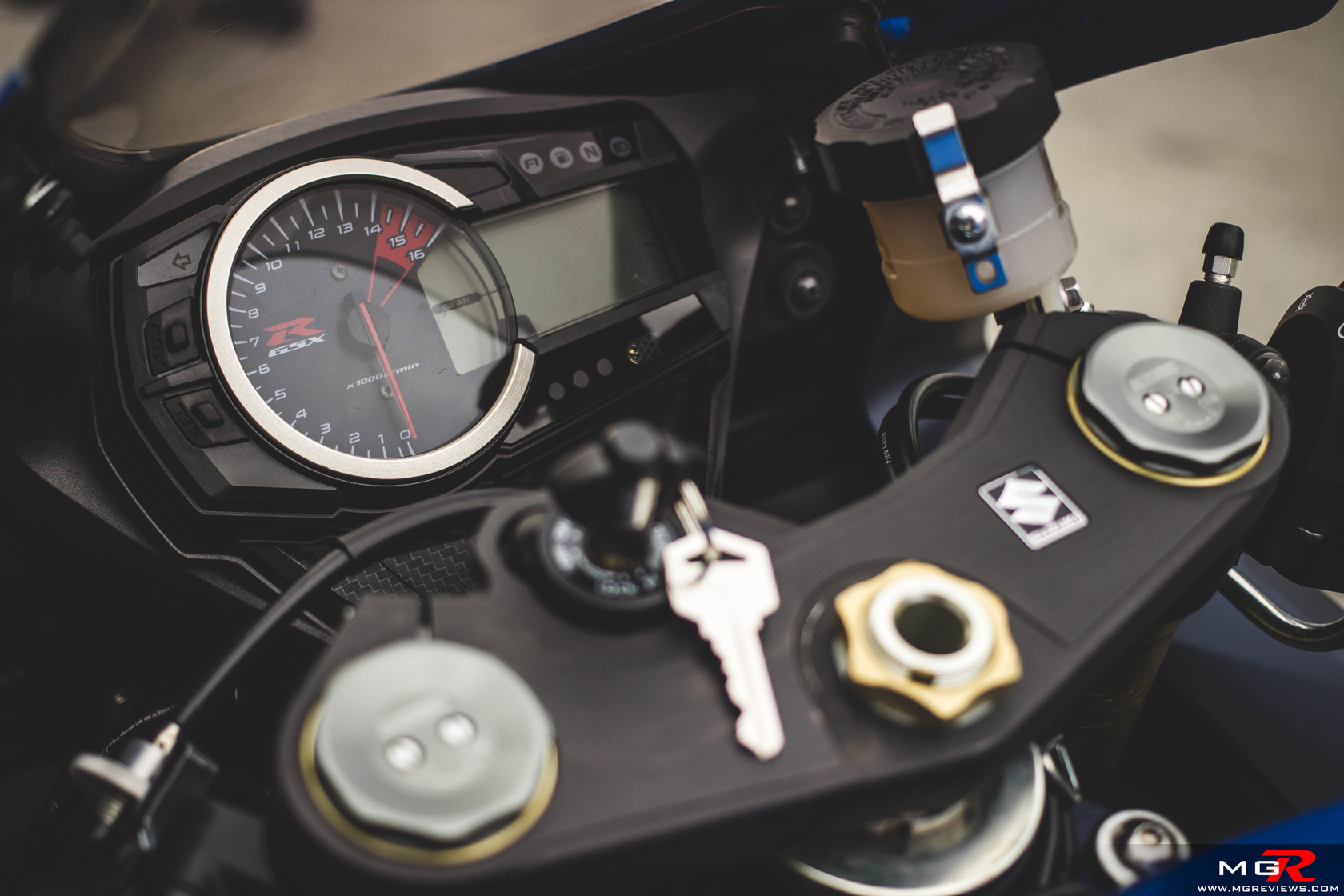
The 2011 Suzuki GSX-R750 stands as a compelling testament to the art of middleweight sportbike engineering, a harmonious blend of power, agility, and technological finesse. Enthusiasts often observe a certain mystique surrounding the GSX-R750, a machine that occupies a unique niche—neither as radical as the liter-class superbikes nor as diminutive as the lightweight 600s. This middleweight class, with the GSX-R750 as a paragon, sparks fascination not just for its outright horsepower, but for the nuanced balance it achieves between raw performance and everyday usability.
At first glance, the 2011 GSX-R750 might seem overshadowed by the towering 1000cc machines that dominate racetracks and highways alike. However, this perception belies a deeper appreciation for what the GSX-R750 represents within the motorcycling realm. The bike’s hallmark is its engine—a 750cc inline four-cylinder powerhouse that crafts a unique spectrum of power delivery. Unlike the abrupt, sometimes unruly surge typical in higher displacement superbikes, the GSX-R750’s output is celebrated for its smooth, linear acceleration. This quality resonates particularly with riders who crave a spirited throttle response without succumbing to the twitchiness that can accompany excessive horsepower in lighter frames.
Delving into the technical aspects, the 2011 model houses a double overhead camshaft design paired with electronic fuel injection technology and a multi-valve head, components meticulously engineered for optimal combustion efficiency and power output. The engine produces approximately 148 horsepower—a figure that, while modest compared to liter-class titans, is deceptively potent in the hands of an adept rider. This power output is enough to deliver exhilarating speed while maintaining the tactility necessary for precision cornering and control.
One may ask why this particular displacement still garners such reverence in a modern era of ever-increasing capacity. The answer lies not solely in raw numbers but in the multifaceted experience delivered by the GSX-R750. The bike’s chassis and suspension setup are engineered to play in perfect concert with the engine’s character. Suzuki’s aluminum twin-spar frame provides a backbone that is both rigid and responsive, ensuring that every horsepower is translated seamlessly to the asphalt. The Showa suspension components, adjustable yet balanced for a diverse riding spectrum, elevate handling to an almost communicative level between rider and machine.
The middleweight category, wherein the GSX-R750 thrives, offers a unique synthesis of agility and brute force. This synthesis invites an intimate riding experience where the motorcyclist feels both empowered and connected to the road. In comparison to the heavier liter bikes that can verge on cumbersome, the GSX-R750’s nimbleness encourages spirited canyon riding and track days, as well as more confident navigation of urban environments. The motorcycle does not simply cater to one mode of riding but skillfully adapts, expanding its appeal across varied riding conditions and rider preferences.
Beyond the tangible elements of horsepower and mechanical design, there exists a more intangible allure around the GSX-R750—a cultural and emotional resonance emanating from the model’s lineage. The GSX-R series has long been regarded as a trailblazer in sportbike evolution, with the 750cc model often described as the “quintessential” sportbike in the Suzuki stable. This heritage adds layers of depth to the appeal of the 2011 iteration, imbuing it with a sense of tradition and ongoing relevance in a competitive market.
Ergonomically, the 2011 GSX-R750 demonstrates a refined approach to the rider’s interface with the machine. The positioning strikes a balance between race-inspired forward-leaning posture and the need for a degree of comfort during longer rides. The seat design, handlebar placement, and footpeg layout collectively reduce rider fatigue, making the bike not just a beast on the track but a viable companion for spirited weekend escapades.
In terms of technology, Suzuki incorporated significant advancements to keep the GSX-R750 competitive. While it eschews some of the ultra-modern electronic aids found in newer superbikes, its integration of fuel injection and cutting-edge engine management system ensures throttle precision and efficiency. The braking system, featuring dual front disc brakes with radial-mounted calipers, offers formidable stopping power with predictable feedback, thereby complementing the bike’s dynamic capabilities.
Another subtle yet compelling dimension of the GSX-R750 is its aesthetic presence. The design language of the 2011 model merges aerodynamic grace with muscular contours, evoking both speed and strength in its silhouette. Every curve and line serves a purpose, whether it be to reduce drag, house mechanical components efficiently, or enhance rider visibility. The minimalist yet aggressive styling appeals to riders who appreciate a sportbike with character rather than superficial flash.
When considering the broader motorcycle market, the 2011 Suzuki GSX-R750 also represents a strategic middle path—a vehicle for riders not fully committed to all-out power crazes but unwilling to settle for underpowered, entry-level machines. It offers a platform that nurtures skill development and rewards mastery, creating a bond that endures beyond simple metrics of horsepower and speed.
Ultimately, the fascination with the 2011 Suzuki GSX-R750 lies in its intricate balance of performance, technology, and rider engagement. Its engine is more than a collection of mechanical parts; it is a sculpted instrument of exhilaration, delicately poised between dominance and discipline. The bike’s middleweight category enhances its underappreciated versatility, making it a compelling choice for those who value a comprehensive riding experience over sheer statistical superiority.
The 2011 GSX-R750 endures not as an anachronism but as a reminder that in the realm of motorcycling, power conveys more than just speed—it conveys relationship, skill, and passion. The bike continues to captivate riders who understand that the essence of sportbiking transcends the pursuit of maximum horsepower, embracing instead the nuanced interplay of power, precision, and poetic throttle control.