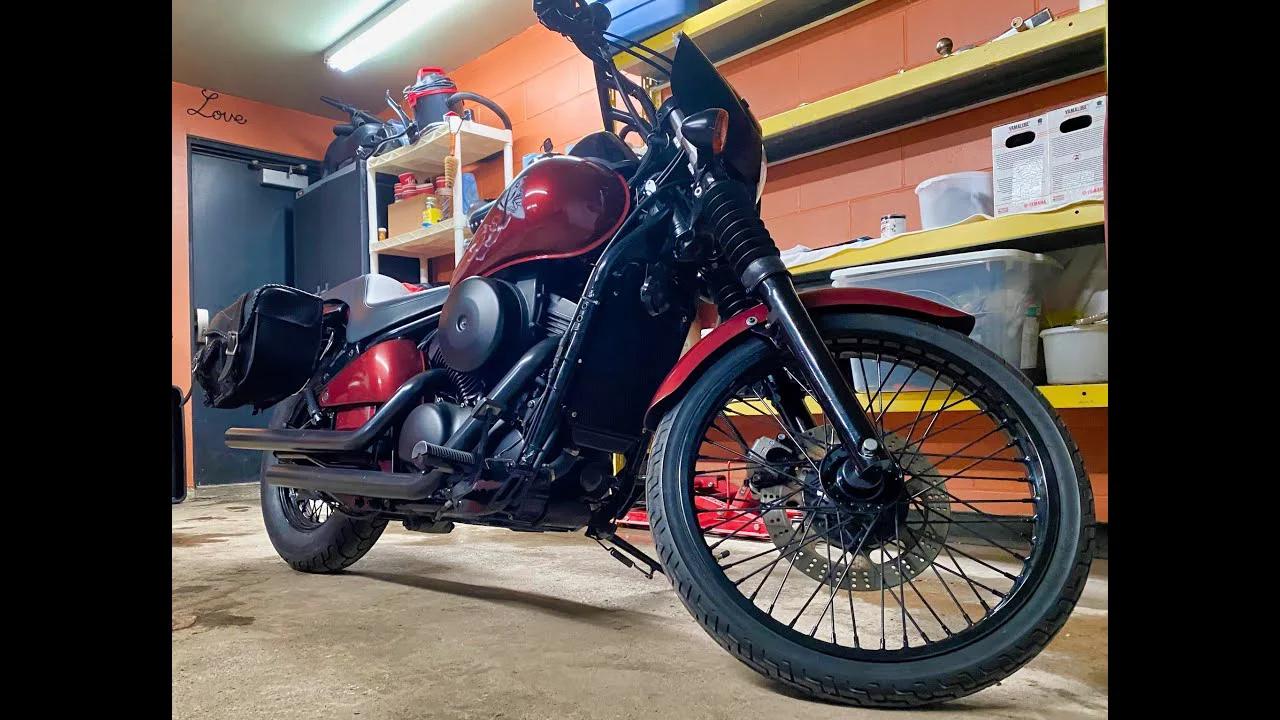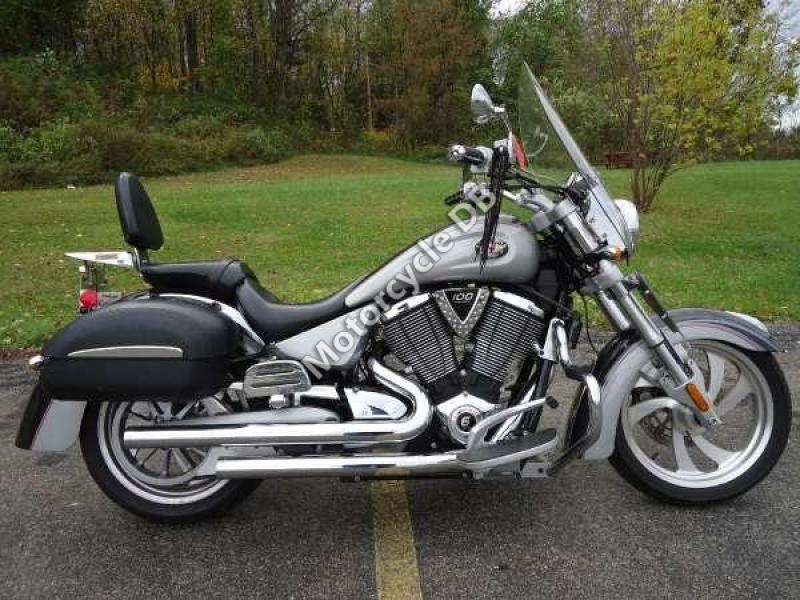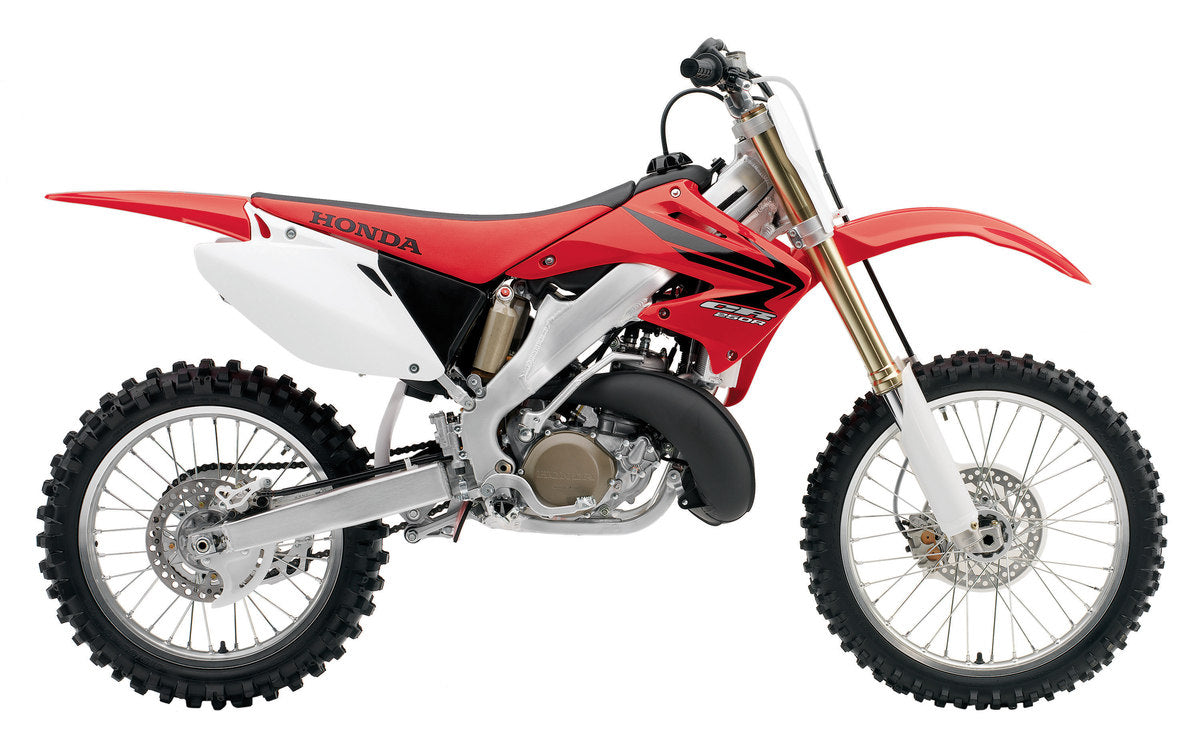
What does it mean to revolutionize racing? Imagine a machine that is not only faster than anything that came before it but also redefines the very essence of speed and performance in motorcycling. Enter America’s first superbike—an iconic engineering marvel that changed the landscape of racing history. The narrative of this remarkable machine intertwines advanced technology, groundbreaking design, and a spirited culture of innovation, all culminating in a legacy that continues to inspire enthusiasts and racers alike.
1. The Birth of the Superbike Phenomenon
The term “superbike” conjures images of pristine engineering and adrenaline-fueled performance. But the inception of this class can be traced back to the late 1970s and early 1980s when a seismic shift in motorcycle technology began to take shape. The motorcycle landscape was dominated by lightweight, nimble machines, but a new breed of powerful, high-horsepower bikes began to emerge. This was a daring departure from the norm—an exuberant leap toward performance that would form the backbone of the superbike era.
2. Iconic Models That Defined the Category
At the forefront of this revolution was the Kawasaki Ninja ZX-11, introduced in 1990. With its impressive top speed and advanced features, the ZX-11 showcased what a superbike could be. However, the true trailblazer that would solidify America’s position in the superbike arena was the Buell RR, revered for its stunning design and innovative engineering. The Buell paired American ingenuity with racing pulse, marrying the raw power of the Harley-Davidson engine with an avant-garde chassis that challenged conventions.
But what specifically set it apart? The answer lies in several unique features: a lightweight aluminum frame, the use of a low center of gravity, and a revolutionary brake system that offered unprecedented stopping power. These elements converged to create not just a motorcycle but a formidable racing machine capable of exhilarating performance on the track.
3. Technological Advancements in the Game
What truly defines the superbike is its ability to harness technology to enhance performance. The Buell RR, for instance, was equipped with features such as a tubular frame designed to enhance rigidity while minimizing weight. Its novel use of disk brakes—innovative for the time—granted racers superior control, allowing for sharper turns and quicker stops. Additionally, innovations like the fuel-in-frame concept not only reduced overall weight but also centralized mass effectively, improving handling.
Each component of the motorcycle was carefully crafted with the singular goal of efficiency and performance. The meticulous attention to detail ensured that every ride could be an extraordinary experience, melding power with finesse. Ultimately, these advancements laid down a blueprint for what would follow in superbike evolution, fostering a competitive spirit that thrived on the racetrack.
4. The Racing Culture and Community
The emergence of superbikes in America heralded more than just technological advancement; it ignited a fervent racing culture. Tracks across the nation buzzed with excitement as enthusiasts gathered to witness the prowess of these extraordinary machines. Riding clubs and racing leagues proliferated, showcasing a camaraderie rooted in the shared passion for motorcycling and competition. This vibrant community not only cherished the thrill of speed but also championed safety, education, and responsible riding practices.
The rise of superbikes created a new generation of racers, each eager to test the limits of both their machines and their riding prowess. Events like the AMA Superbike Championship brought visibility to grassroots racers, allowing them to showcase their skills on a national platform. The Buell RR stood out in these events, symbolizing American engineering excellence. Can you imagine the exhilaration of reigning supreme on the track aboard such an iconic machine?
5. The Cultural Impact of Superbike Racing
As the superbike phenomenon infiltrated the public consciousness, it became evident that it was not just a hobby but a cultural hallmark. Films like “The Great Escape,” featuring daring motorcycle stunts, and documentaries showcasing racers’ journeys contributed to a newfound fascination with motorcycling. Superbike racing became synonymous with freedom, rebellion, and the relentless pursuit of speed.
Moreover, superbikes evolved into status symbols—vehicles of aspiration that represented an amalgamation of luxury and raw power. Manufacturers capitalized on this trend, promoting sleek designs that boasted cutting-edge technology. This cultural shift extended beyond the racetrack, infiltrating fashion, music, and entertainment, further solidifying the superbike’s place in the American zeitgeist.
6. Legacy and Future of American Superbikes
When reflecting on America’s first superbike, one cannot overlook the profound legacy left in its wake. The innovations and spirit of competition it represented continue to influence modern designs and racing practices. As manufacturers push the envelope further, the essence of the superbike prevails—striking a delicate balance between raw power, advanced technology, and rider experience.
Yet, the challenge remains: as technology advances and the thrill of speed becomes accessible to more riders, can the spirit of competition and community persist? Will future generations embrace the same fervor for superbikes, or will they evolve into something entirely unforeseen? Regardless of the answers, the impact of America’s first superbike on racing history is indubitable, leaving behind a legacy of innovation that continues to inspire and ignite the passion of motorcycle enthusiasts across the globe.