Introduction
In the grand tapestry of motorcycle maintenance, choosing the right oil is akin to a musician selecting the perfect instrument for a symphony. Each type of oil, with its unique formulation and rating, plays a crucial role in how your motorcycle performs on the asphalt stage. Understanding motorcycle oil ratings is not merely an exercise in technicality; it is the key to harmonizing engine longevity, mechanical efficiency, and overall riding pleasure.
1. The Fundamental Essence of Motorcycle Oil
Motorcycle oil is the lifeblood coursing through your engine’s veins. It serves multiple cardinal functions: reducing friction, dissipating heat, preventing corrosion, and acting as a detergent to keep the engine pristine. Without the right lubricant, an engine is destined to become a cacophony of wear and tear rather than a well-tuned instrument.
2. Oil Chemistry: The Ingredients Behind the Magic
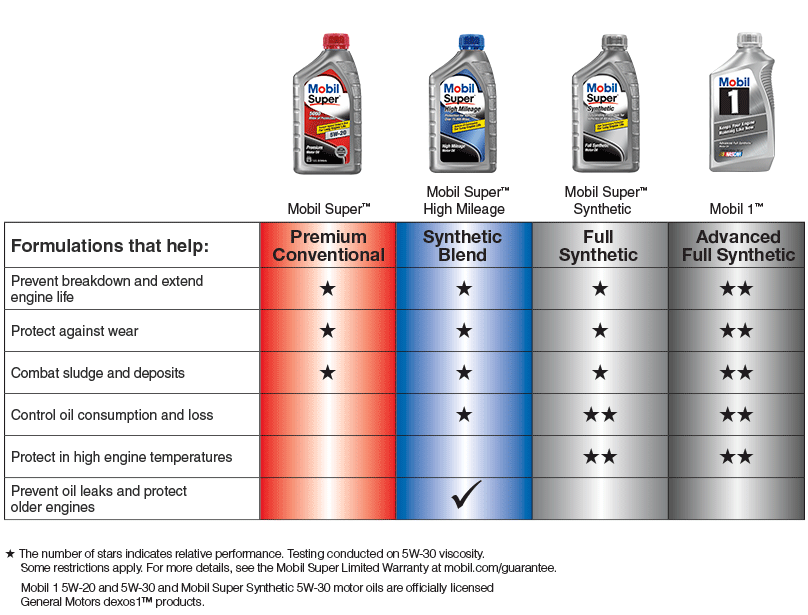
In the realm of lubricants, the composition is king. Motorcycle oils typically comprise base oils and additives. Base oils can be mineral, synthetic, or a blend of both. Synthetic oils, crafted through advanced chemical processes, exemplify fuel efficiency and performance stability even under extreme conditions. Mineral oils, derived directly from crude oil, are often more affordable but may lack the robustness needed for high-performance engines.
Beyond the base, a plethora of additives enhance oil functionality: anti-wear agents, viscosity improvers, and detergents are just a few examples. Each of these components contributes to the oil’s dexterity, ensuring it can withstand the rigors of a high-revving motorcycle engine.
3. Decoding the Ratings: SAE and JASO Standards
The world of motorcycle oil ratings is illuminated by two primary standards: SAE (Society of Automotive Engineers) and JASO (Japan Automobile Standards Organization). Each serves as a trusted navigational guide in the vast ocean of lubricants.
SAE Ratings Explained:
SAE ratings revolve around the oil’s viscosity, which is a measure of its thickness and flow characteristics at various temperatures. Viscosity ratings are denoted by a number followed by a ‘W’ (Winter). For example, 10W-40 indicates that the oil has a viscosity of 10 at low temperatures and 40 at high temperatures. This dual rating is crucial, as it ensures the oil flows smoothly at startup and maintains its protective qualities during the heat of operation.
JASO Ratings Unveiled:
JASO is particularly significant for motorcycles, accounting for the unique requirements of wet clutches often found in these machines. The JASO MA standard denotes oil suitable for motorcycles with a wet clutch, providing excellent lubrication while preventing slippage. Conversely, JASO MB indicates oils that may not be suitable for wet clutches but are appropriate for scooters and other applications. Understanding these distinctions can be the difference between a smooth ride and an unexpected trip to the mechanic.
4. The Importance of API Ratings
Complementing SAE and JASO are API (American Petroleum Institute) ratings, which focus on the oil’s performance characteristics. Designated by a “S” for service oils (for gasoline engines) and “C” for commercial oils (for diesel engines), the API ratings signify the evolution of oil formulations over time. A higher letter signifies a more advanced formulation, catering to modern engine needs.
API ratings ensure compliance with the latest standards regarding wear protection, oxidation stability, and sludge control, fortifying the oil’s capacity to safeguard your motorcycle engine.
5. Choosing the Right Oil: A Meticulous Process
Selecting the right oil for your motorcycle is akin to a tailor crafting a custom suit. Consider the following factors:
- Manufacturer Recommendations: Always start with the owner’s manual. Manufacturers pour extensive research into the ideal oil for their engines; their counsel is invaluable.
- Riding Conditions: Consider your riding style and the environment. Are you a weekend cruiser, a track-day warrior, or an off-road adventurer? Each scenario demands different oil characteristics.
- Oil Change Intervals: Understand the recommended oil change intervals based on your usage. Synthetic oils may provide extended service life, whereas mineral oils may require more frequent changes.
- Temperature Ranges: Match oil viscosity to your climate. Colder environments may require lower viscosity ratings for quicker flow on startup, while hotter climates necessitate oils that maintain stability at elevated temperatures.
6. Common Misconceptions and Myths
As with any subject steeped in technical detail, motorcycle oil is surrounded by myths and misconceptions. Here are a few:
- Thicker is Always Better: A common fallacy is that thicker oils provide better protection. However, excessive viscosity can hinder fuel efficiency and engine responsiveness.
- All Oils are Interchangeable: This could not be further from the truth. Mixing different oil types or using automotive oil in motorcycles can lead to performance issues.
- Changing Oil More Frequently is Always Beneficial: While regular oil changes are crucial, overchanging can be wasteful and counterproductive, especially with modern synthetic formulations.
Conclusion
The journey through the labyrinth of motorcycle oil ratings offers not just knowledge but insight into the very nature of engine performance and longevity. Like selecting the right notes for a melody, choosing the right lubricant can lead to a smooth, exhilarating ride. With an understanding of the chemistry, ratings, and specifications relevant to your motorcycle, you can ensure that your machine is not simply propelled by oil, but rather refined by it—transforming every ride into a masterpiece of mechanical artistry.