As the last leaves tumble from their branches and the first frosts paint the ground, many cyclists reluctantly tuck their bikes away, gazing longingly at the chilly roads. But why should the dropping temperatures stifle your passion for riding? If you’re willing to embrace the cold, it’s time to explore how you can extend your riding season with the right tips and essential gear that works. Are you ready to transform your chilly rides into exhilarating adventures?
1. Choose the Right Apparel
First and foremost, let’s talk about layering. The key to riding in cold weather is to dress in layers that can adapt to changing conditions. Start with a moisture-wicking base layer to keep sweat at bay. Next comes an insulating layer, ideally made from materials like fleece or wool, which traps warmth without adding excessive bulk. Lastly, a waterproof and breathable outer layer will shield you from wind and precipitation, ensuring you remain comfortable during your journey.
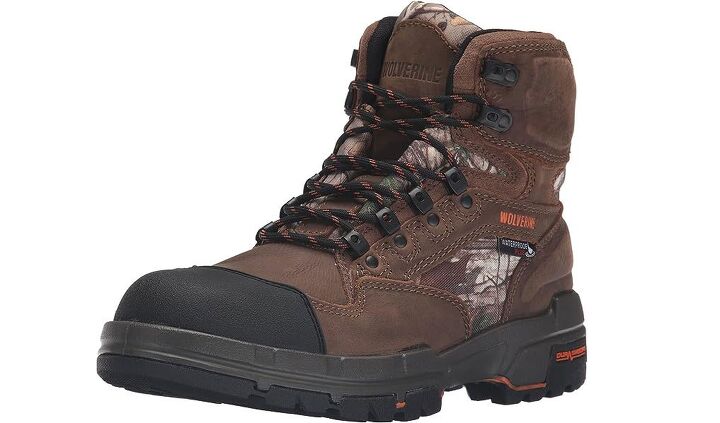
One pivotal factor often overlooked is your extremities. Your fingers, toes, and ears are particularly susceptible to frostbite. Invest in high-quality thermal gloves that allow for dexterity, thick, insulated socks, and a well-fitted cycling cap or ear-warmer headband. It can be challenging to create a balance between warmth and mobility; therefore, experimentation will be essential in finding the ideal combination.
2. Select the Right Tires
Much like the right attire enhances your comfort, the proper tires can greatly improve your grip and performance on icy roads. While standard tires may suffice during milder temperatures, consider switching to winter or cyclocross tires featuring deeper treads and softer rubber. These tires are designed to provide better traction on slippery surfaces, allowing you to navigate through challenging conditions with confidence.
Additionally, you may want to try out tire sealants, which can thwart punctures caused by debris often encountered in winter months. Don’t let a flat tire be the bane of your frosty endeavors!
3. Equip Your Bike Wisely
No matter how well you gear up, a poorly maintained bike can quickly turn your riding experience sour. Regular maintenance becomes even more crucial during the colder seasons. Use a bike cleaner that effectively removes mud and road grime your bike is likely to encounter. Subsequently, apply a dedicated winter lubricant on your chain and gears to prevent freezing and corrosion.
Don’t forget about your brakes! As temperatures drop, brake response can diminish. Opt for winter-specific brake pads that perform better in frigid conditions. A good set of lights is also indispensable—shorter days demand that your bike be visible. Consider lights with longer battery lives or rechargeable options. Safety should never be compromised.
4. Modify Your Riding Technique
Your riding technique may need to change alongside the seasons. With the roads becoming slick with snow and ice, adopting a more cautious approach can save you from unexpected spills. This means reducing your speed when cornering and increasing your stopping distance. Look ahead to anticipate potential hazards, and maintain a steady cadence to conserve energy.
Pacing is critical. You might find it challenging to keep up your usual speed, but a gentle, more measured approach can yield greater endurance. Remember, riding in cold conditions can be more taxing on your body, so listen to it. Regular breaks allow for a quick warm-up and a moment to take in the beauty of the wintry landscape—after all, the journey is just as important as the destination!
5. Fuel for Cold Adventures
What happens when your body gets cold? It burns more calories! To combat the chill, proper nutrition before and during your rides is essential. Consuming substantial carbohydrates and proteins pre-ride will provide your body with the energy it requires to maintain warmth and endurance. During your journey, hydrate frequently—cold weather can mask your thirst, potentially leading to dehydration.
Consider packing easily accessible snacks, such as energy bars or nuts, to replenish your energy levels whenever needed. This will also help keep your morale high during longer rides, allowing you to savor each experience rather than endure it.
6. Safety First
As temperatures drop, your riding environment changes. It’s vital to keep safety at the forefront of your mind. Daylight hours become scarce, leading to an increase in the risk of accidents. Always wear bright, reflective clothing and invest in quality lights for both the front and rear of your bike. Visibility may be compromised due to weather conditions; thus, ensuring that you can be seen by others is paramount.
Also, pay attention to your surroundings. Driveways, sidewalks, and streets can become deceptively slick with hidden black ice. Being vigilant will enhance your safety and that of others on the road. In case of severe weather warnings, heed the advice and consider postponing your ride. It’s essential to enjoy the adventure, not endure the peril.
7. Embrace the Mental Challenge
Cold-weather riding presents unique psychological challenges. It requires mental fortitude to step outside when it’s brisk, windy, and gray. Embrace this aspect—it’s an opportunity to strengthen your perseverance and resilience. Set tangible riding goals during these months, whether it’s hitting a certain distance or mastering a challenging route. With the right mindset, the cold becomes a mere backdrop to your exhilarating adventures.
With the implementation of the right gear and techniques, your love for cycling can transcend the seasons. Instead of storing your bike away for the winter, consider this as an opportunity to explore new terrains and experiences. Are you ready to conquer the cold and redefine your riding season? The open road awaits, regardless of the frost.