Japan’s motorcycle industry, a cornerstone of its automotive landscape, has experienced a tumultuous journey marked by economic shocks and market shifts. As global and domestic conditions fluctuate, the nation’s motorcycle sector has had to navigate these unpredictable waters. This exploration delves into the multifaceted factors that have reshaped the industry, spotlighting the economic upheavals, technological innovations, and shifting consumer preferences that have emerged throughout the years.
Historical Context: The Rise and Fall
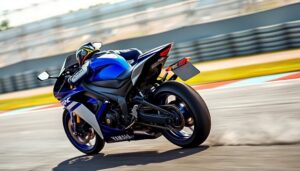
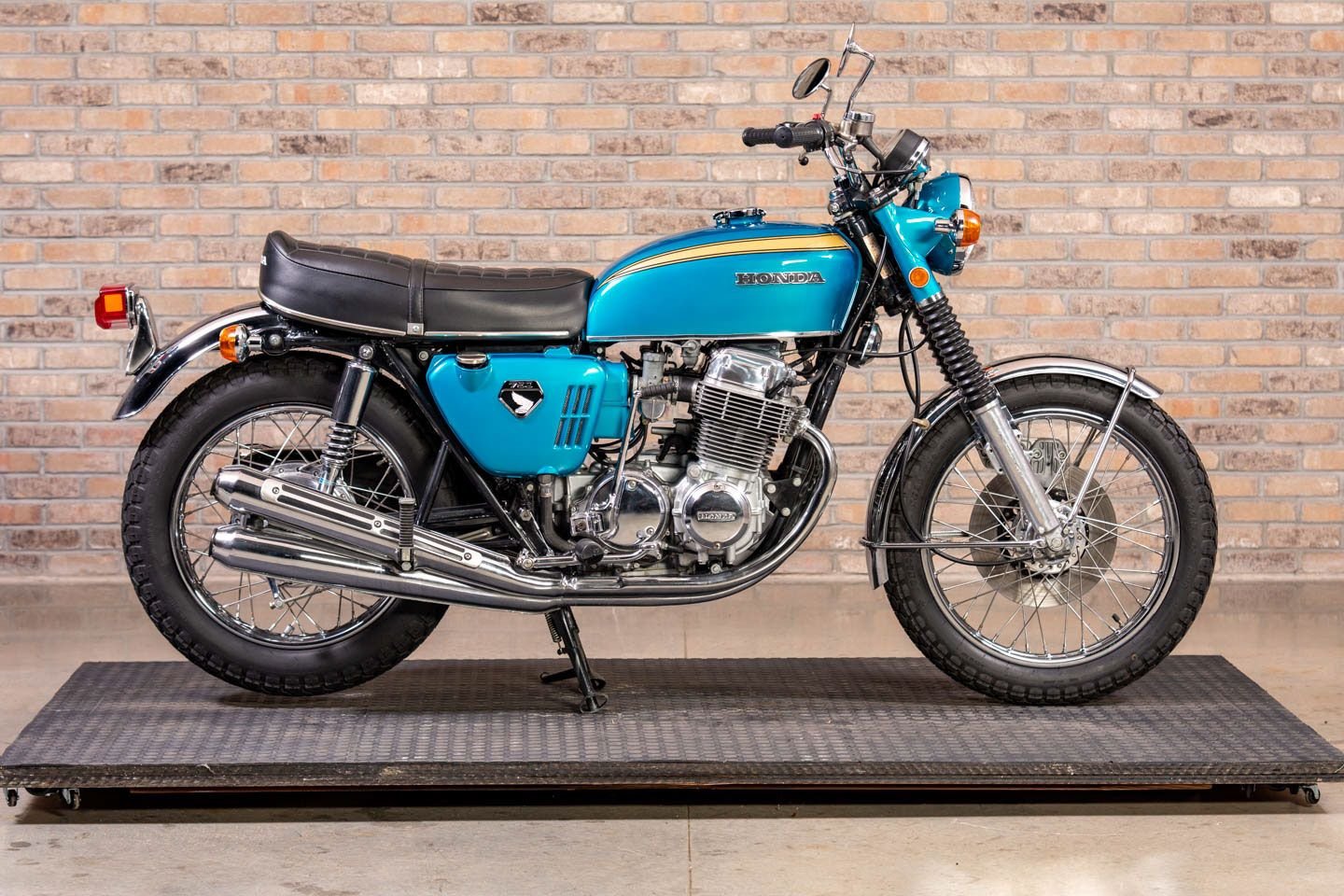
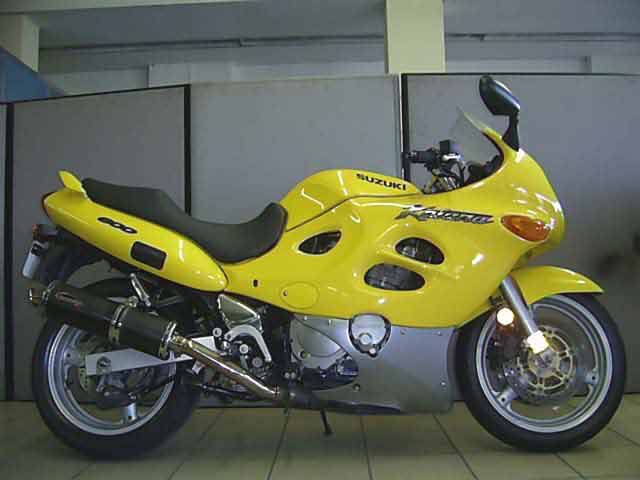
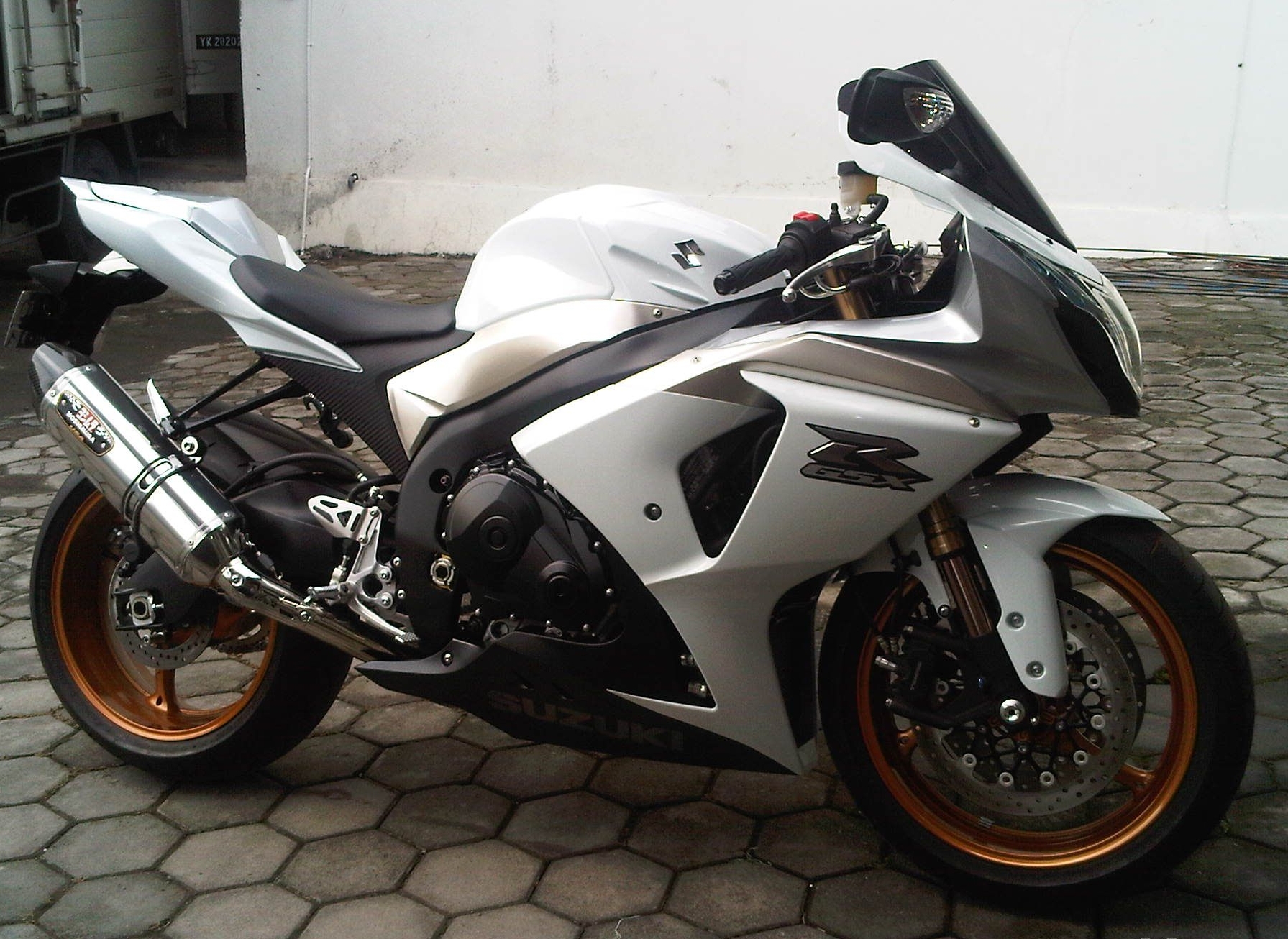
To comprehend the current state of Japan’s motorcycle industry, one must first consider its illustrious past. The post-World War II era heralded an explosion of motorcycle popularity as manufacturers like Honda, Yamaha, Kawasaki, and Suzuki surged to prominence. Affordable transportation and a burgeoning youth culture ignited a motorcycle revolution that not only transformed commuting but also placed Japan on the global stage as a producer of high-quality two-wheelers.
However, the economic bubble burst in the early 1990s sent shockwaves through the entire economy. The subsequent recession led to declining sales and forced manufacturers to recalibrate their strategies to stay afloat amid mounting pressure. This period set the stage for significant transformations across the sector.
Economic Shocks: The Ripple Effects
Economic shocks—both domestic and global—have left indelible marks on the motorcycle industry. The 2008 financial crisis, for instance, precipitated a severe dip in consumer spending. With economic uncertainty gripping many Japanese households, motorcycle purchases were often regarded as luxuries rather than necessities. This contraction in the market prompted manufacturers to streamline operations, instigate cost reductions, and pivot towards more innovative marketing strategies.
Moreover, the COVID-19 pandemic has unleashed another wave of economic disruption, fundamentally altering consumer behavior and preferences. Supply chain disruptions, increased shipping costs, and labor shortages have resulted in production delays, leaving manufacturers scrambling to meet consumer demand. The pandemic also spurred a surge in interest in outdoor activities, including motorcycle riding, which resulted in a paradoxical resurgence in certain segments of the market.
Technological Advancements: The Electric Revolution
As the industry grapples with economic shocks, technological advancements play a pivotal role in facilitating recovery and adaptation. The global push toward sustainability and environmental consciousness has catalyzed a shift towards electric motorcycles. Significant investments in research and development have prompted Japanese manufacturers to venture into electrification—transitioning from traditional combustion engines to electric powertrains.
E-bikes and electric scooters have emerged as burgeoning market segments, appealing to environmentally conscious consumers and urban commuters seeking efficient transportation solutions. By harnessing cutting-edge battery technology, manufacturers are not only addressing environmental concerns but also enhancing the rider experience through improved performance and reduced operational costs.
Shifting Consumer Preferences: The Evolving Rider
Consumer preferences are in a constant state of flux, influenced by cultural changes, technological advancements, and economic conditions. The increasing popularity of urbanization has shifted the focus from larger, high-displacement motorcycles to smaller, more nimble models ideal for city commuting. A rising demographic of younger riders and female enthusiasts has emerged, seeking accessibility and practicality rather than sheer power and speed.
Moreover, the rise of ride-sharing platforms and subscription services presents a paradigm shift in how consumers interact with motorcycles. The notion of ownership is evolving; many are gravitating towards flexible usage models that allow them to enjoy the motorcycle experience without the burdens of maintenance and insurance costs. This shift necessitates a fundamental reinvention of distribution strategies with an emphasis on tailored services and customer engagement.
Global Competition: Navigating a Crowded Marketplace
The Japanese motorcycle industry faces fierce competition not only from domestic rivals but also from international players. Brands such as Harley-Davidson and European manufacturers have gained traction in Japan’s market, appealing to a segment of consumers desiring distinct riding cultures and lifestyles. Additionally, the rise of Chinese motorcycle manufacturers, offering cost-effective alternatives, complicates the competitive landscape further.
To maintain a competitive edge, Japanese manufacturers must focus on innovation and differentiation. Emphasizing quality craftsmanship and reliability, manufacturers are increasingly investing in branding strategies that highlight their historical legacy while appealing to modern consumer sensibilities.
Future Outlook: Opportunities Amidst Challenges
Despite the myriad challenges, the future of Japan’s motorcycle industry remains punctuated by opportunities. The shift towards green technology, coupled with an enduring passion for motorcycling, creates a fertile ground for growth. Manufacturers poised to embrace new technologies and engage with evolving consumer demands stand to benefit immensely.
Furthermore, the anticipated Tokyo 2020 Olympics (held in 2021) has provided a platform for motorcycle brands to showcase their innovations on an international stage, potentially boosting tourism and interest in the domestic motorcycle market.
As the Japanese motorcycle industry emerges from the shadows of economic shocks and adapts to shifting market dynamics, it stands at a pivotal crossroads. With a focus on sustainability, cutting-edge technology, and evolving consumer preferences, this resilient sector has the potential to not only weather the storm but to thrive in an ever-changing global market. In this era of transformation, the industry invites both seasoned riders and newcomers alike to experience the thrill of the open road once more.