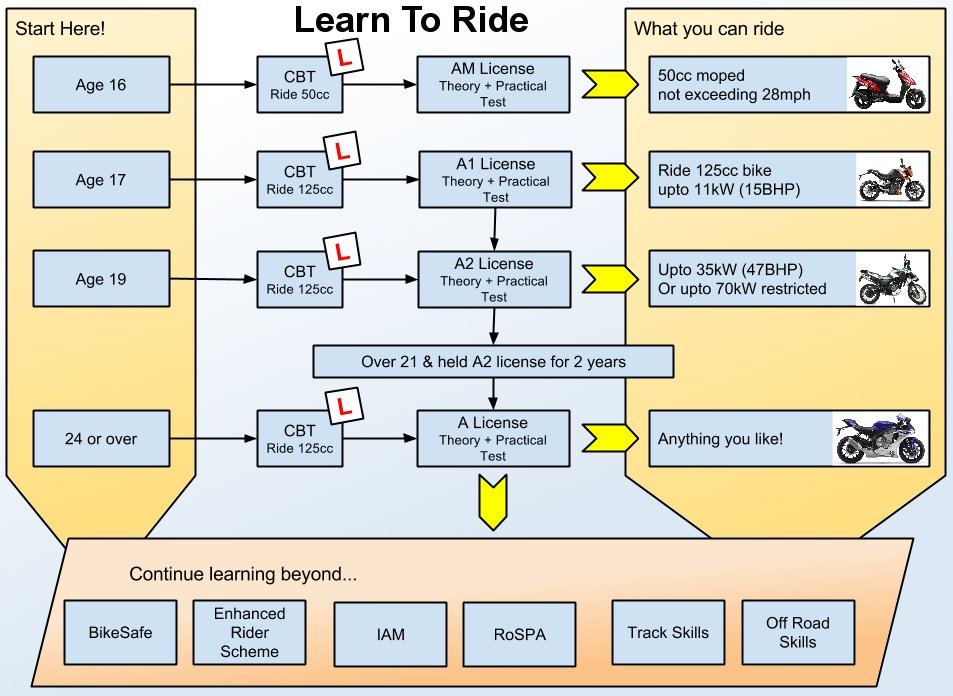
Learning to ride a motorcycle can be an exhilarating journey, filled with anticipation, freedom, and a touch of trepidation. For many, this quest for two-wheeled mastery begins with a desire to experience the open road like never before. However, embarking on this adventure requires not just enthusiasm, but also the right training. The following guide delves into effective strategies for beginner motorcycle training that truly empowers novices to become proficient riders.
First and foremost, selecting the right training program is paramount. Most regions boast a variety of options, ranging from unofficial neighborhood workshops to formally recognized motorcycle safety courses. The Motorcycle Safety Foundation (MSF) offers an extensive curriculum that encompasses both theoretical knowledge and practical riding experience. Such programs are often taught by experienced instructors who emphasize safety, proper technique, and the importance of defensive riding. These structured environments create a foundation for learners to build their skills effectively.
In-person training remains a cornerstone of motorcycle education. During the tactile learning experience, aspiring riders can engage with the motorcycle, understanding its mechanics, controls, and handling nuances. Beginners often start in a controlled environment, which may include parking lots or designated training areas where they can become familiar with essential maneuvers such as starting, stopping, and turning. This hands-on approach not only fosters confidence but also instills a sense of responsibility for the machinery.
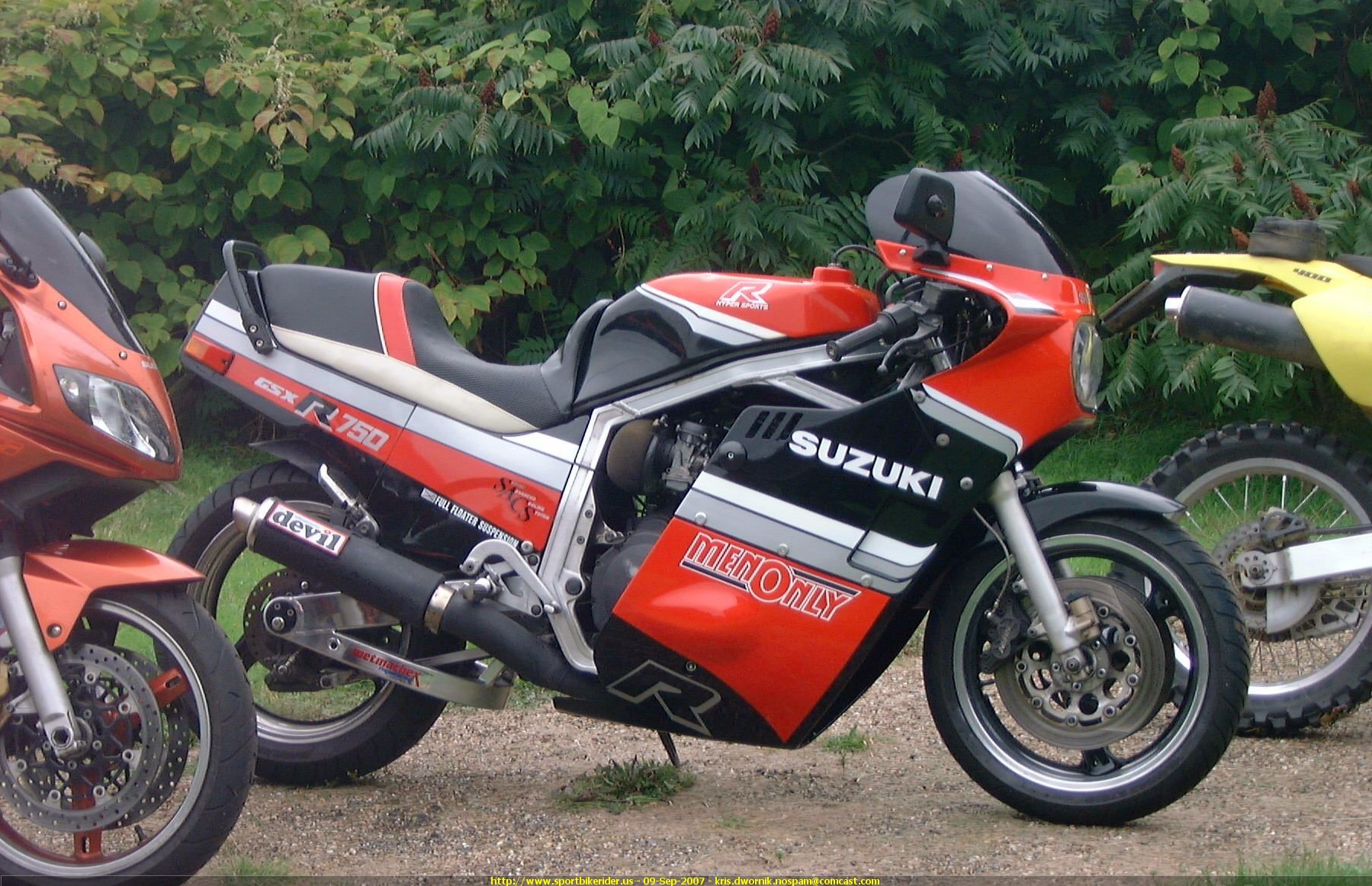
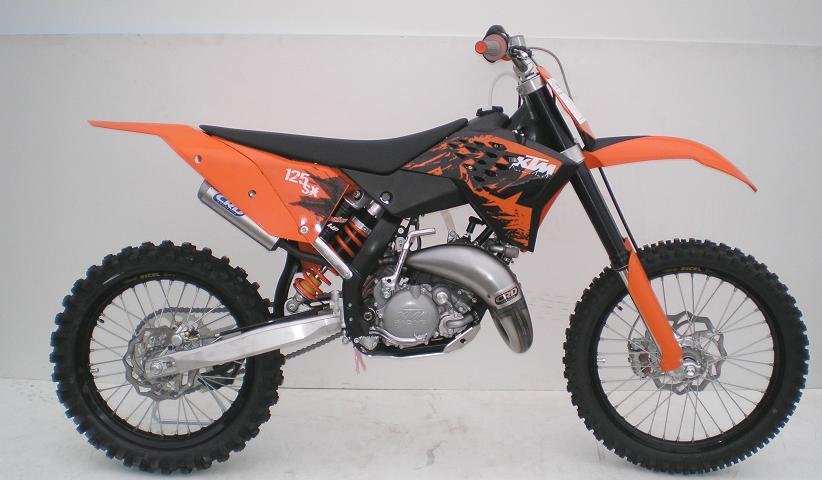
Within the training framework, motorcycle riders are introduced to the essential components of riding; understanding the motorcycle itself is critical. Participants receive insights into the various types of motorcycles, such as cruisers, sport bikes, and dual-sport models. Each type has its own characteristics, advantages, and disadvantages that cater to distinct riding styles and preferences. By comprehending these differences, beginners can make more informed choices about which motorcycle aligns best with their aspirations.
Moreover, riders can expect to delve into the realm of safety gear. Proper protective equipment is crucial for mitigating risk while riding. Trainees will learn about the importance of helmets, gloves, jackets, and boots specifically designed for motorcycling. Each gear operates harmoniously to protect vital body parts, while also maximizing comfort during rides. The investment in quality gear reflects a commitment to safety and a proactive approach to preventing injuries.
The curriculum typically emphasizes vital topics such as balance, throttle control, and braking techniques, which are indispensable for any successful ride. Instructors will often stress the significance of body positioning and weight distribution while riding. By mastering these fundamental concepts, learners can develop a more intuitive sense of stability on their motorcycle, resulting in smoother rides.
Furthermore, beginners will be introduced to vital road skills through a multifaceted approach. Navigational discipline is emphasized, where riders learn the importance of scanning for hazards, understanding traffic signals, and predicting the movements of other road users. This component of training fosters the crucial habit of defensive riding, equipping motorcyclists with the foresight necessary to mitigate potential dangers posed by other vehicles.
Beyond the practical skills, mental preparedness also plays an essential role in becoming a proficient motorcyclist. Trainees often engage in discussions surrounding the psychological aspects of riding, exploring how to remain focused and composed amidst external distractions. This mental conditioning encourages riders to develop their own strategies for stress management and decision-making, crucial for navigating demanding riding situations.
After honing the necessary skills, participants frequently engage in experiential learning through the completion of a riding test. This assessment evaluates the learner’s ability to apply knowledge in real-time while navigating increasingly complex driving scenarios. Successfully passing this test solidifies the rider’s confidence, as they have demonstrated the capability to handle their motorcycle effectively in a variety of situations.
Once the initial training is completed, the learning journey does not end. Several opportunities exist for further development, including advanced riding courses that build upon the foundational skills acquired during training. These courses introduce more complex maneuvers such as cornering techniques, emergency braking tactics, and night riding strategies. Engaging in continued education not only augments riding prowess but also cultivates a lifelong commitment to safety and skill refinement.
Lastly, connecting with a community of fellow riders can amplify the learning experience. Many motorcyclists find camaraderie in local clubs or online forums where sharing experiences, tips, and advice becomes a communal endeavor. This network serves as a sanctuary of information and inspiration, fostering confidence while reinforcing the importance of responsible riding practices.
In conclusion, learning to ride a motorcycle is a multifaceted journey that encompasses more than just the act of riding itself. With the right training, safety gear, and community support, aspiring motorcyclists can nurture their passion while simultaneously prioritizing safety and continuous improvement. The pursuit of mastery on a motorcycle is as much about the journey as it is about the destination, promising an adventure replete with thrilling experiences and newfound friendships along the way.