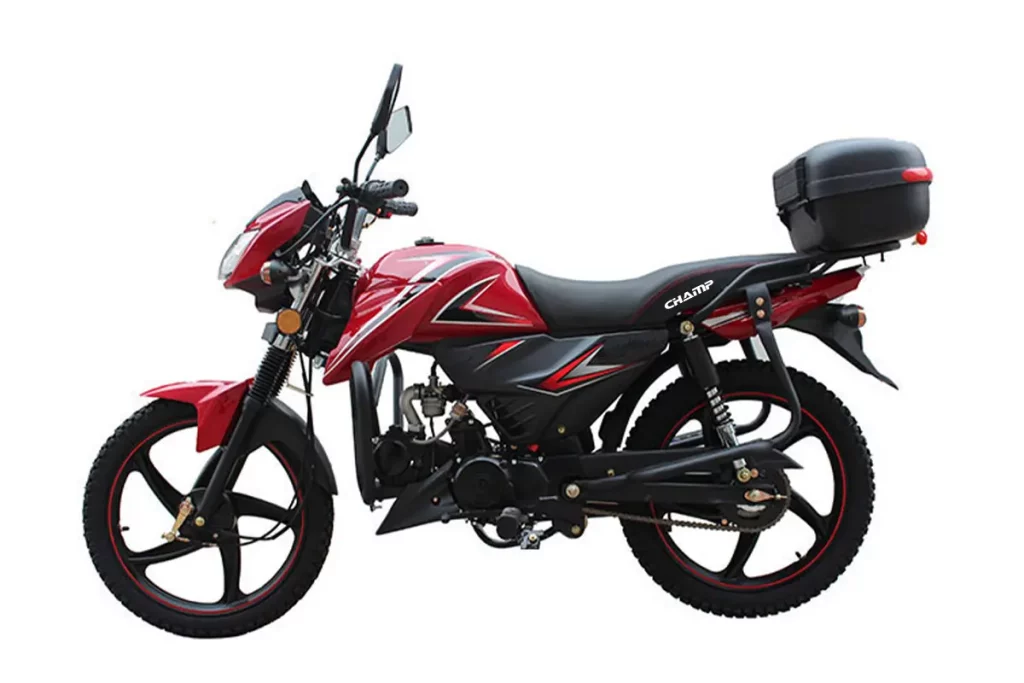
When it comes to motorcycles, the 125cc segment has always fascinated riders and enthusiasts alike. Despite its modest engine size, the 125cc motorcycle occupies a unique niche in the realm of two-wheeled transport. One of the questions that often arises is: how fast can a 125cc motorcycle really go? This inquiry may seem straightforward at first glance, but it uncovers a deeper intrigue that extends beyond mere numbers on a speedometer. The fascination with top speed reflects not only curiosity about the machine’s capabilities but also an appreciation for engineering efficiency, rider skill, and the balance between performance and practicality.
The 125cc motorcycle is often a first step for new riders and an economical choice for urban commuters. It is light, nimble, and easier to handle than larger displacement bikes. Yet, there is a persistent curiosity about whether such a relatively small engine can deliver respectable velocity. The reality is that 125cc motorcycles can, under optimal conditions, reach top speeds ranging between 60 to 75 miles per hour, with some sportier or specially tuned models pushing closer to 80 mph. However, this range is influenced by several variables including design, weight, engine tuning, and riding environment.
Understanding the dynamics behind the top speed of 125cc motorcycles requires an exploration of mechanical constraints and aerodynamic principles. At its core, engine displacement—the volume of all the cylinders in the engine—directly impacts power output. A 125cc engine, by design, has limited capacity to combust fuel-air mixture and transform it into mechanical power. Yet, advancements in engine technology, such as improved fuel injection, combustion chamber design, and lightweight materials, have enhanced the efficiency and output of many 125cc models over time.
The role of aerodynamics cannot be understated when considering top speed. Because 125cc motorcycles possess relatively low power compared to larger displacement bikes, minimizing wind resistance becomes crucial. Designers often incorporate sleek fairings and streamlined bodies to reduce drag. This engineering focus allows the motorcycle to slice through the air more efficiently, thereby enabling higher speeds without necessitating a bulkier or more powerful engine. Conversely, naked or standard 125cc models without aerodynamic optimization tend to have lower top speeds despite identical engine specs.
Weight is another pivotal factor influencing how fast a 125cc motorcycle can accelerate and achieve its peak velocity. Lightweight frames, minimalistic components, and the use of advanced materials such as aluminum and composites allow these motorcycles to shed unnecessary pounds. A lighter bike requires less power to overcome inertia, allowing it to climb more rapidly through gear ratios and sustain higher speeds on open roads. This interplay between weight and power is a subtle yet profound factor in the marginal differences witnessed across various 125cc motorcycles.
While the raw mechanical attributes provide a foundational answer, the rider’s role in realizing top speed is often overlooked. The position adopted by the rider affects aerodynamic drag substantially; a crouched, tucked-in posture reduces frontal area and wind resistance, enabling the motorcycle to extract every bit of velocity from its engine. In contrast, an upright riding stance exposes more surface area to wind, thereby diminishing top speed. Moreover, rider skill in managing throttle control, gear shifting, and maintaining momentum over varied terrain contributes meaningfully to performance.
The curious allure surrounding the 125cc motorcycle’s top speed also lies in its dichotomous nature—it is a symbol of modest means yet of spirited potential. These motorcycles represent the threshold between beginner-friendly accessibility and the thrill of speed. For many, they serve as a rite of passage, a platform to hone riding techniques and test the limits of modest engineering. The perceived limits challenge owners to innovate, customize, and squeeze out extra performance, further fueling their fascination with what these machines can achieve.
Comparing a 125cc motorcycle to its larger displacement cousins highlights the nuanced perspective on speed. Where a 600cc or 1000cc superbike can sprint beyond 150 mph with explosive acceleration, the 125cc class exemplifies grace in constraint. The relatively modest top speed encourages riders to appreciate the subtleties of management rather than brute force. It’s less about raw velocity and more about the elegance of efficiency and control. This contrast imparts a philosophical dimension—a celebration of mechanical artistry within limitations.
Beyond numbers and technicalities, the cultural ambiance surrounding 125cc motorcycles plays a role in their perceived speed and significance. In many parts of the world, particularly in urban and developing regions, a 125cc bike is the primary mode of transport—trusted, dependable, and sufficient for daily journeys. The practical cap on speed ensures safety and longevity, but also promotes a sense of community among riders who share this common machine. The intrinsic value lies not in record-breaking speed, but in reliability, economy, and accessibility.
In conclusion, the question of how fast a 125cc motorcycle can really go is answered by a convergence of mechanical design, environmental factors, and rider influence. While the numbers place the top speed generally below 80 mph, the motorcycle’s allure transcends these metrics. It embodies a balance between power and precision, economy and excitement. The enduring fascination with 125cc bikes and their speed stems from their embodiment of a pure riding experience—where every mile per hour gained is a testament to clever engineering and the passion of those who ride them.