Few motorcycles evoke the same blend of nostalgia and reverence as the Norton Commando from the early 1970s. Specifically, the 1972 to 1974 Norton Commando 750 and 850 models stand as icons within the pantheon of British motorcycling, marrying engineering finesse with a raw, almost tangible character. These bikes inspire devotion that transcends mere appreciation for vintage machinery. The abiding question remains: why do these motorcycles continue to captivate enthusiasts and collectors alike decades after their heyday?
From the outset, it is essential to recognize that the Norton Commando was more than just a motorcycle; it represented an era where innovation grappled with tradition amidst an evolving motorcycling landscape. The 750 and 850 models, produced between 1972 and 1974, were at the zenith of this transformation, exemplifying engineering advancements and stylistic boldness that many contemporaries struggled to match.
The defining feature that immediately commands attention is the Commando’s distinctive “Isolastic” frame system. This ingeniously designed mechanism attenuates engine vibrations, a notorious bane of earlier British bikes. The innovation was subtle yet revolutionary, affording riders a smoother, more controlled experience without compromising the engaging mechanical symphony of a parallel-twin engine. Unlike earlier rigid frames or less sophisticated damping solutions, the Isolastic setup provided a nuanced balance—melding performance with rider comfort in a manner that bespoke true engineering ingenuity.
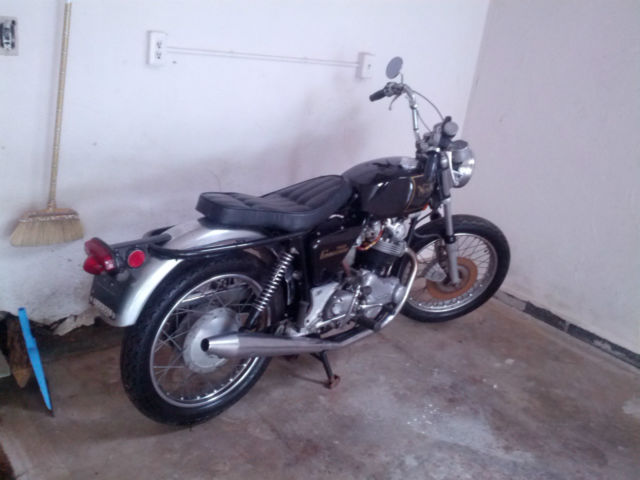
Yet, the appeal of the Commando extends beyond its mechanical innovations. The aesthetic presence of the bike is unmistakable. With sculpted fuel tanks, teardrop-shaped petrol reservoirs, and classic dual-shock rear suspensions, the Commando exudes a retro-futuristic aura. The blend of chrome accents with muted paint schemes creates an alluring visual composition that has aged with grace. Unlike some modern motorcycles that pursue aggressive angularity or hyper-technical designs, the Commando embodies a timeless elegance conducive to prolonged admiration.
The 750 and 850 variants, differentiated primarily by their engine displacements, each cultivated distinct personalities. The 750, rooted in the original Commando blueprint, delivers spirited performance accompanied by a lightweight chassis that rewards skillful handling. Conversely, the 850 model offered a bit more grunt and torque, situating itself well as a versatile road bike with adequate power for both spirited weekend rides and daily commuting. Both versions were celebrated not only for their dynamism but for cultivating a visceral connection between man and machine—a hallmark of outstanding motorcycle design.
Yet the fascination with these models extends deeper than their tangible specifications. Enthusiasts often allude to an ineffable quality that the Commando embodies—a certain soulfulness inherent in machines from this era. This intangible attribute is partly born from the analog relationships they foster; the tactile feedback, the mechanical noises, and the need for constant engagement differentiate them starkly from modern electronic-laden motorcycles. Riders are not mere operators but active participants in the symphony of throttle, clutch, and gearbox, fostering profound mechanical empathy.
Moreover, the historical context of the early 1970s contributes significantly to the Commando’s legendary status. This period marked a transitional phase in motorcycling, with Japanese manufacturers beginning to dominate the market through reliability, refined engineering, and mass production. British bikes like the Norton Commando symbolized both resistance and resilience against this tide. The Commando’s endurance as a prized collectible and a functional classic is, in part, a testament to its ability to represent a cultural and industrial ethos—embodying both craftsmanship and the romanticism of British motorcycling heritage.
In addition, the tuner and customizer communities have played an active role in cementing the Commando’s mythos. Many of the period’s machines became canvases for innovation and personalization, extending the life and appeal of the bike far beyond its factory specifications. The involvement of passionate aficionados has maintained the relevance of the Commando, breathing new life into these steel steeds while preserving their historical significance. This symbiotic relationship between machine and enthusiast ensures the bike remains a living artifact, not a static museum piece.
Addressing the wider cultural and emotional resonance, the Norton Commando 750 and 850 models evoke a sense of freedom and rebellion emblematic of their era. Motorcycles have always been potent symbols of individualism, but the Commando’s rugged yet refined character embodies a specific kind of maverick spirit—one that combines British engineering pride with the raw, unfiltered joy of the open road. This cultural significance magnifies their allure, transforming them from mere transportation machines into icons of aspiration and identity.
However, it is not without challenges that these venerable motorcycles exist today. Their maintenance demands a certain expertise and dedication, often deterring casual riders. Spare parts, though more accessible than in past decades, require careful sourcing, and the mechanical idiosyncrasies—while adding to charm—necessitate an intimate understanding of vintage engineering. This exclusivity arguably intensifies the reverence directed at the Commando, as ownership implies not only passion but commitment to preserving motorcycling heritage.
In reflection, the enduring fascination with the 1972–1974 Norton Commando 750 and 850 resides in a confluence of technical innovation, aesthetic appeal, and cultural symbolism. These motorcycles encapsulate a bygone era’s spirit while remaining remarkably relevant to contemporary sensibilities. They offer an experience unreplicated by modern machinery—where the rider is entwined directly with the mechanical heart, where every twist of the throttle is rich with history and emotion.
More than four decades since their manufacture, these machines are not mere relics but vibrant embodiments of a motorcycling legacy. They stand as testament to the idea that true engineering artistry, coupled with profound cultural impact, transcends the passage of time. Whether viewed as objects of desire, symbols of rebellion, or marvels of vintage engineering, the Norton Commando 750 and 850 from 1972 to 1974 remain undeniably legendary.