What transforms a motorcycle from a mere mode of transportation into a legendary symbol of culture and rebellion? Could it be the aesthetic appeal, the engineering prowess, or perhaps the untamed spirit reflected by the riders who choose it? The 1977–1979 Honda CB750 stands as a compelling answer to this question, having transcended its utilitarian roots to become an iconic canvas for the café racer movement. Beneath the polished chrome and streamlined form lies a compelling narrative of performance, style, and subcultural significance that continues to captivate enthusiasts decades later.
At first glance, the Honda CB750 from this era might seem like an ordinary motorcycle—a well-built, reliable machine emerging from the Japanese industry during a period when motorcycling was rapidly evolving. Yet, it was precisely this perceived ordinariness that spurred enthusiasts to reimagine and redefine the bike’s identity. How did a bike known for its practicality and moderate performance morph into a symbol of audacity and individualism?
The genesis of the CB750’s café racer legacy is rooted in its revolutionary engineering. When Honda introduced the CB750 in 1969, it was considered a landmark in motorcycle design and technology. Featuring one of the first production inline-four engines with overhead camshafts, the CB750 offered unparalleled smoothness and power in a package accessible to the average rider. It was quick, reliable, and sturdy—the trifecta of qualities that garnered a broad fanbase. However, as the years progressed, riders craved more than just functional transportation; they sought machines that spoke to their rebellious nature and penchant for speed.

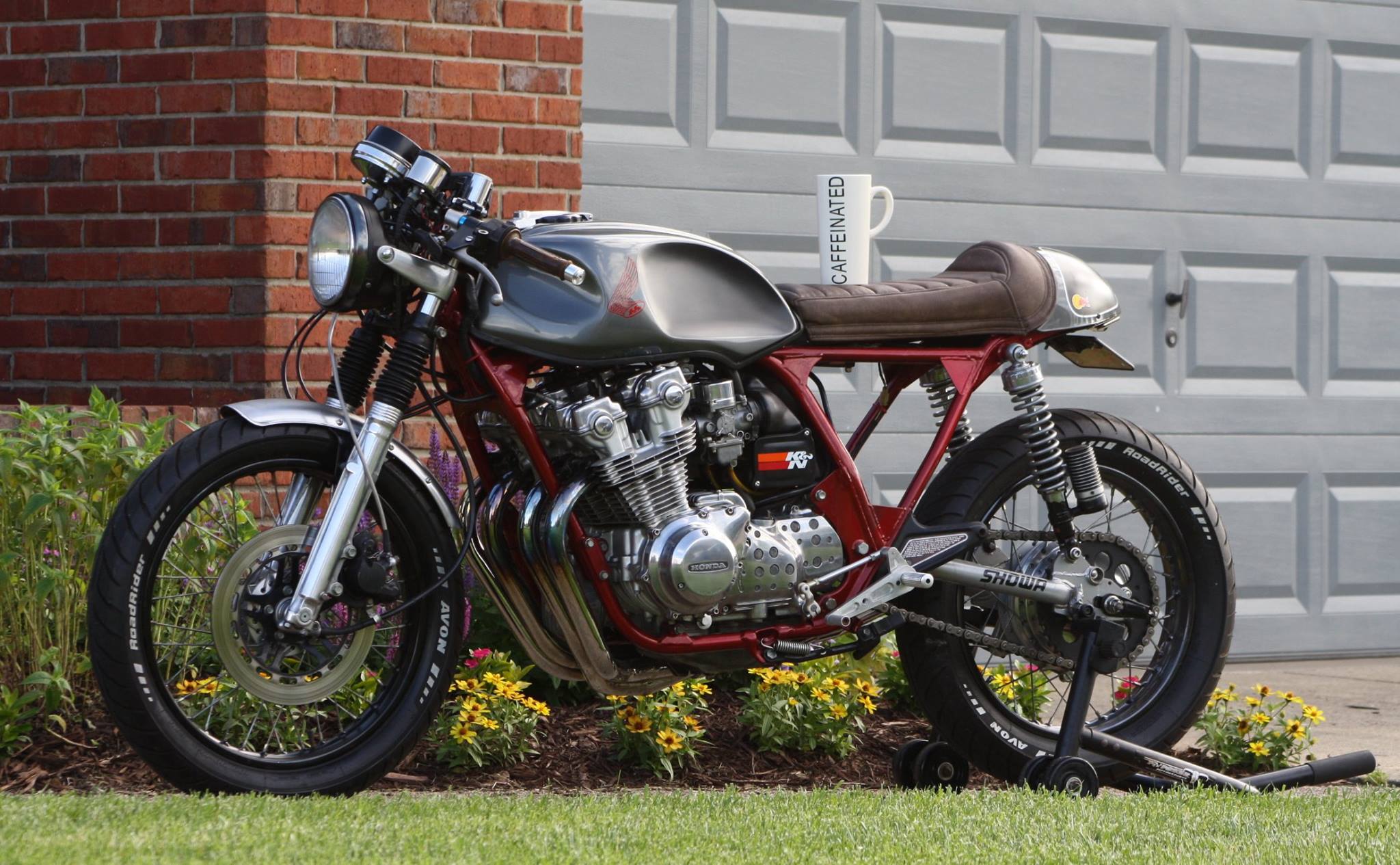
The years 1977 to 1979 particularly symbolize the apex of the CB750’s transformation. By then, the initial breakthrough had settled into maturity, leaving a platform ripe for customization. The frame and engine layout provided an excellent foundation for modification. Enthusiasts found in the CB750 a blank slate, a versatile mechanical partner awaiting their creative interpretation. Stripping the bike down, slimming the bodywork, lowering handlebars, and installing elongated seats became common rituals. These modifications weren’t simply cosmetic; they reflected a deeper desire to embody the sleek, aggressive stance characteristic of British café racers from decades prior.
Yet, why would a Japanese motorcycle become the archetype for a style long rooted in European culture? The answer lies partly in accessibility and partly in adaptability. By the late 1970s, vintage British motorcycles were becoming increasingly expensive and difficult to maintain. The CB750 offered a modern, more dependable alternative that could mimic the café racer aesthetic while delivering superior performance. The bike’s relatively light frame and tunable engine allowed for spirited riding, essential to the ethos of racing from café to café on congested streets.
Another compelling factor was the aesthetic versatility of the CB750. The frame’s geometry and compact engine design lent themselves to numerous stylistic tweaks. Riders could experiment with different seat configurations, exhaust systems, and paint schemes to create a personalized expression. The classic “humpback” seat with rear cowl became a hallmark look, giving the bike an elongated, aerodynamic silhouette. Clip-on handlebars replaced the wider stock bars, encouraging a more aggressive forward lean and sharper handling. Together, these elements created a harmonious blend of form and function that defined what so many consider the quintessential café racer look.
However, embracing the café racer identity demanded more than just visual adjustments—it required pushing the mechanical boundaries of the CB750. Riders began modifying carburetors, upgrading suspension components, and tuning engines for increased horsepower. These refinements weren’t merely about speed but about agility and responsiveness, crucial to the stop-and-go nature of urban racing. The challenge was to maintain reliability while extracting better performance, a balancing act that separated amateurs from true aficionados.
This dual pursuit of style and substance encapsulates the essence of the CB750’s café racer persona. It wasn’t enough to craft a fast machine; it had to be a manifestation of individual style, challenging conventions and expressing a rebellious, anti-establishment attitude. The café racer scene itself was steeped in tales of rivalry, freedom, and youthful exuberance. The CB750, with its blend of mechanical competence and aesthetic appeal, perfectly embodied this spirit, becoming something of a cultural icon, a symbol of the renegade rider who dared to carve their own path.
Moreover, the CB750’s influence extended beyond its initial era, impacting motorcycle culture globally. It catalyzed a widespread revival of the café racer scene in the 1990s and beyond, inspiring builders to blend vintage style with modern components. The bike’s enduring legacy is evident in the countless restorations and custom builds that populate garages and bike shows worldwide. It’s a testament to the original model’s timeless design and the passionate community that continues to cherish and evolve it.
In retrospect, what makes the 1977–1979 Honda CB750 such an enduring café racer icon is more than the sum of its parts. It is the synergy of innovative engineering, cultural adaptability, and the audacious customization culture it helped spawn. This motorcycle challenged the perception of what was possible, proving that style, speed, and spirit could coexist in a single frame. It invites us to ask—what other machines might reveal hidden potential when touched by the hands of those unwilling to accept the ordinary?
Ultimately, the Honda CB750 from this golden era stands not just as a motorcycle, but as a bold statement of identity and creativity. It embodies the restless innovation of its time and continues to inspire riders looking to break free from the mundane. In the dance between machine and rider, it’s the perfect partner for those daring to chase the thrill, the speed, and the unmistakable allure of the café racer legend.