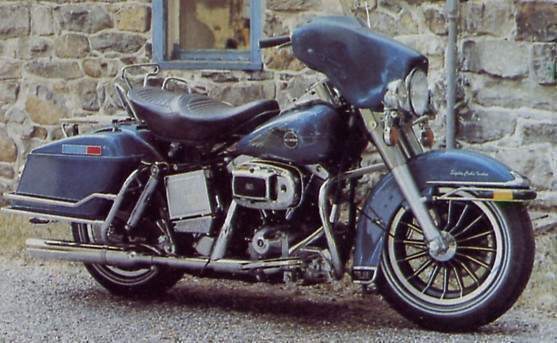
When it comes to the realm of classic American motorcycles, few machines command the reverence and admiration reserved for the 1978 Electra Glide and FLH models. These motorcycles stand not just as mechanical marvels, but as enduring icons of vintage touring—a kingdom where comfort, style, and power converge seamlessly. But here lies a playful conundrum for any enthusiast or historian alike: can a motorcycle that was built over four decades ago still embody the spirit and practicality of modern touring, or does it merely evoke nostalgic reverie without living up to contemporary expectations?
The Electra Glide and FLH of 1978 represent a zenith in Harley-Davidson’s storied lineage, their craftsmanship resonating with the unmistakable aura of a bygone era. These models were more than mere motorcycles—they were mobile sanctuaries tailored for the long hauls and open roads that define the American touring experience. With their robust V-twin engines and imposing frame architecture, they beckoned riders across continents, heralding freedom with every twist of the throttle.
At the core of the 1978 Electra Glide and FLH lies the engine—a 74 cubic inch (1200cc) Evolution V-twin that was both a technical leap forward and a symbol of Harley-Davidson’s commitment to durability. This powerplant wasn’t just about raw horsepower; it delivered a characteristically torquey and smooth ride that catered exquisitely to the touring rider’s needs. The Evolution engine was a response to a long-standing challenge Harley-Davidson faced: balancing reliability with the thunderous presence expected from their machines. By 1978, this had been perfected enough to quell doubts about maintenance woes that plagued earlier models.
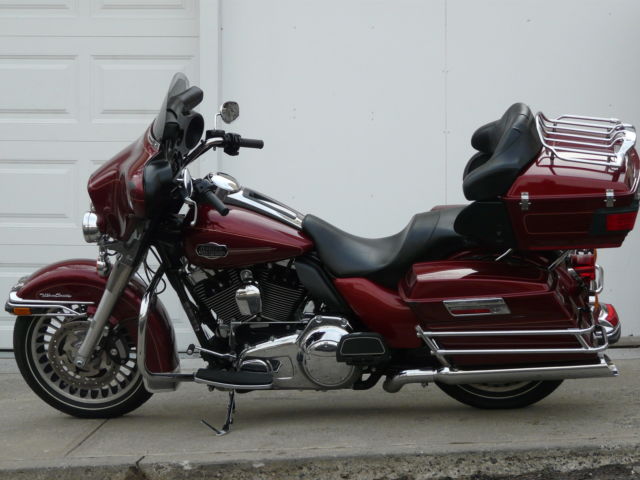
One might ask, how did these motorcycles fare on the road? The Electra Glide, aptly nicknamed “The Classic Tourer,” was designed with exceptional vision. It curated an environment that prioritized rider comfort through extended journeys. Its inclusion of electric starting—a relatively modern convenience at the time—and an array of accessories reflected a sophisticated approach to touring that was unprecedented. The FLH variant, meanwhile, offered subtle nuances in styling and features that appealed to a slightly different rider demographic, seeking a balance between traditional Harley ethos and progressive enhancements.
The chassis itself was a masterpiece of engineering, combining a sturdy frame with a suspension setup designed to smooth out the imperfections of asphalt highways and rugged backroads alike. The large front fairing and windshield gave the rider respite from wind fatigue, a testament to Harley-Davidson’s understanding of touring endurance. Meanwhile, the saddle was sculpted for ergonomic precision, allowing riders to maintain a comfortable posture even after hours in the saddle.
Visual aesthetics, often underestimated in their importance, are intrinsic to the Electra Glide and FLH’s enduring appeal. The 1978 models embraced a quintessential American touring look—bold yet refined. Chrome accents sparkled with a meticulous polish, juxtaposed against deep, rich paint hues that spoke volumes about the era’s sensibilities. These motorcycles weren’t merely a way to get from point A to point B; they were a statement of identity, a moving artwork that turned heads wherever they roamed.
But how do these elements translate when juxtaposed against today’s touring titans? Therein lies the rub and the challenge. Modern touring motorcycles boast advanced electronics, infotainment systems, and ergonomic tweaks tailored by decades of data and ergonomic science. In contrast, the 1978 Electra Glide and FLH adhere to a purist philosophy—raw, mechanical, and unfiltered by digital augmentation. For some purists, that is exactly the allure. This motorcycling experience insists that the rider be intimately connected to the machine, feeling every nuance of the road and machine harmoniously.
Furthermore, the unique auditory signature of the 1978 models cannot be overstated. The Evolution engine’s distinctive rumble is more than just noise; it’s a symphony that stirs the rider’s soul. This evocative soundtrack accompanies every twist through winding backroads or cruising down interstate highways, enhancing the sensation of journeying, rather than merely traveling.
Despite their age, these motorcycles handle surprisingly well when serviced properly. The simplicity of their mechanical systems invites enthusiasts to engage in hands-on maintenance, fostering a deeper appreciation for their inner workings. However, this simplicity also imposes a subtle challenge for riders accustomed to the conveniences of modern technology. Maintaining optimal performance requires knowledge, patience, and a willingness to adapt, which adds another layer of intimacy to the ownership experience.
In discussing the 1978 Electra Glide and FLH, one must also acknowledge their place in cultural history. They symbolize more than engineering achievement—they reflect the spirit of an era defined by rebellion, exploration, and the quest for freedom. Owning one is akin to possessing a fragment of Americana, a testament to the enduring allure of the open road and the eternal call of adventure.
So, can these vintage touring kings stand the test of time beyond mere nostalgia? For many, the answer is a resounding yes. Their blend of mechanical purity, robust power, and timeless design offer a profound and immersive motorcycling experience that modern machines can’t replicate in the same visceral way. Yet, the answer depends on what you seek: if technology and ease dominate your touring criteria, these might pose a handful of adaptations. If, however, your heart beats for authenticity and engagement, the 1978 Electra Glide and FLH will reward you richly.
They invite the rider to partake in a grand tradition, one that values the journey as much as the destination. With their commanding presence on the road and enduring legacy, these motorcycles aren’t just relics; they are living legends. And for those who dare to embrace their charm and challenges alike, the 1978 Electra Glide and FLH promise a touring experience that is as exhilarating today as it was over 40 years ago.