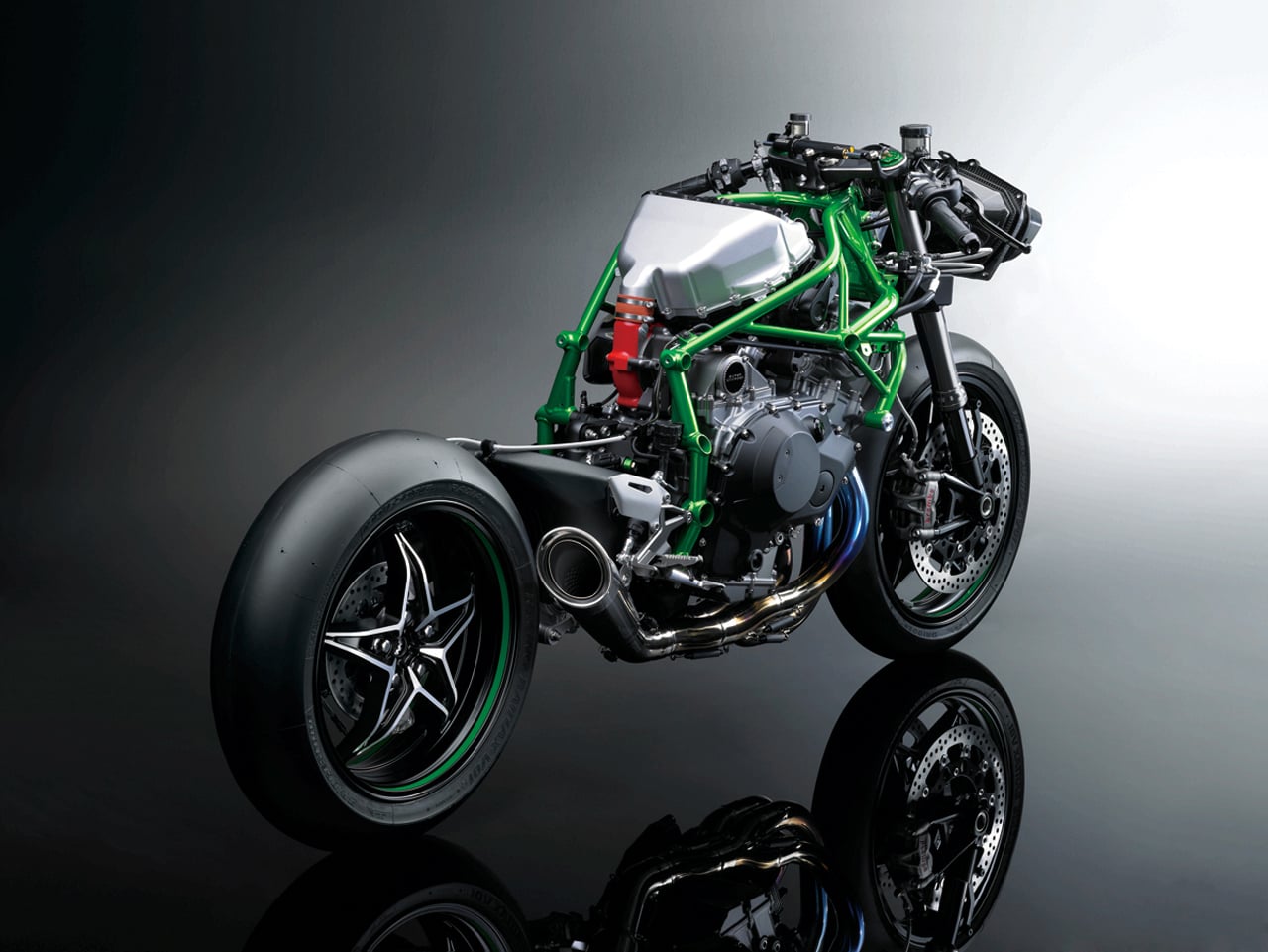
Imagine an engine as the heartbeat of a mechanical creature, pulsing with energy and life to propel it forward. Within the symphony of internal combustion, the 2-stroke engine is a distinctive rhythm — rapid, succinct, and powerful, much like a jazz drum solo that captivates with its speed and intensity. This engine design, celebrated for its simplicity and vigor in motorcycles, lawn mowers, and outboard motors, raises an intriguing question: can this rapid-fire mechanism power the complex, heavier demands of an automobile efficiently? Exploring whether 2-stroke engines can work in cars unveils a fascinating intersection of engineering heritage, mechanical nuance, and evolving automotive aspirations.
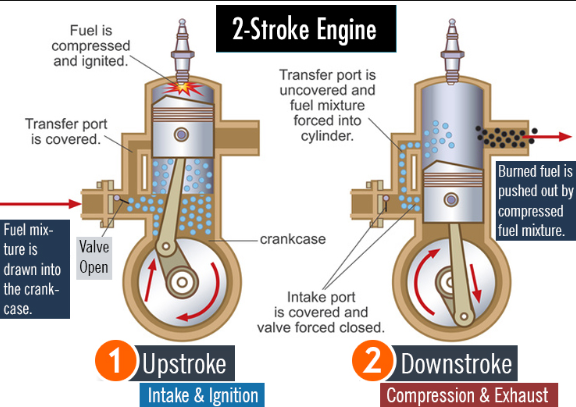
The quintessential allure of the 2-stroke engine lies in its elegant simplicity. Unlike the more ponderous 4-stroke engine, which completes its power cycle over four distinct strokes (intake, compression, power, and exhaust), the 2-stroke engine condenses this dance into just two strokes of the piston. This translates into a power stroke with every revolution of the crankshaft—an intoxicating promise of high power-to-weight ratio and brisk acceleration. In metaphorical terms, it is akin to a sprinter who takes fewer steps but covers the same ground in half the time, delivering energy with immediacy and passion.
Yet, the very aspects that make 2-stroke engines attractive for lightweight applications also present challenges when scaled to automobiles. Cars demand longevity, fuel efficiency, and stringent emission control to meet regulatory standards and consumer expectations. The flamboyant, peppy nature of the 2-stroke engine often comes at the expense of fuel consumption and pollution. Traditional 2-stroke engines mix lubricating oil with fuel, resulting in incomplete combustion and higher emissions of hydrocarbons and particulates—a smoky trail betraying their otherwise spirited performance. In essence, while the 2-stroke engine operates with the fervor of a fireworks display, this brilliance fades into toxic afterglow in the context of modern automotive needs.
Historically, 2-stroke engines did find their place within the realm of automobiles, albeit briefly and experimentally. Early automotive pioneers appreciated the weight savings and power density, integrating 2-stroke engines into compact vehicles, particularly in post-war Europe. The Saab 92 and early Trabant models serve as emblematic examples where 2-stroke engines powered basic, affordable transportation. These cars were agile in their environments and economical to produce, taking the metaphorical leap of trusting an agile cheetah in lieu of a heavyweight ox. Still, these efforts were hamstrung by the engines’ high exhaust emissions, lower torque at low RPMs, and relatively short service life, preventing widespread adoption as environmental consciousness and technology progressed.
Modern engineering, however, has not abandoned the 2-stroke concept outright. Advances in direct fuel injection and improved lubrication techniques have breathed new life into the idea, potentially mitigating traditional drawbacks. Contemporary two-stroke designs can achieve near-complete combustion, significantly reducing emissions and improving fuel economy. For instance, some high-performance motorcycles and marine engines leverage these innovations to deliver blistering speed without the same environmental penalty. This renaissance suggests that the metaphorical cheetah, once limited by shortsightedness, could be trained and equipped for marathon runs through the landscape of automotive engineering.
Still, mass-market cars embody diverse operational regimes—stop-and-go traffic, extended highway cruising, and varying load conditions—that impose nuanced demands on their powertrains. The torque curve of 2-stroke engines, often peaking abruptly, contrasts with the smooth, linear power delivery favored in automobiles. This results in drivability challenges that can be likened to a sprinter trying to maintain a steady jog for hours. For commercial success, engines must harmonize performance with comfort, durability, and environmental stewardship, a trio where 4-strokes currently hold a distinct advantage.
The question of employing 2-stroke engines in automotive contexts also interacts with the shifting paradigm toward electrification. As electric vehicles gain momentum, the urgency to re-engineer combustion engines diminishes in consumer markets. However, 2-stroke engines could still carve niches where weight and power density are paramount, or in hybrid systems where their high power bursts complement electric motors. Envisioning future powertrains, the 2-stroke pulse might beat beneath the hood not as a standalone performer but as a specialized section of an intricate orchestra—one combining multiple power sources for holistic efficiency.
Moreover, the unique appeal of the 2-stroke engine extends beyond raw performance metrics. Its mechanical poetry embodies a cultural and historical narrative—a testament to industrial ingenuity and adaptation. Enthusiasts cherish its distinct auditory signature, the characteristic “potato-potato” rhythm, evoking nostalgia and mechanical romance. In experimental spheres, hobbyists and engineers alike engage with 2-stroke engines for their mechanical tractability and spirited behavior, grounding this technology in communities that value tactile, visceral experiences over homogenized efficiency.
In summary, while 2-stroke engines possess the intellectual charm of a rapid-fire heartbeat and an enviable power-to-weight ratio, their application in cars remains constrained by environmental regulations, drivability requirements, and market trends. Technological strides are narrowing these gaps, yet the fundamental trade-offs persist. Their historical role in automotive propulsion reinforces a vision of engineering pragmatism, while contemporary advancements hint at a specialized but unlikely resurgence. Ultimately, the 2-stroke engine in cars is less a question of possibility and more a narrative of fit — a story where the daring cadence of a sprinter must coexist with the enduring necessity of sustainable, versatile transportation.
The journey of the 2-stroke engine continues to intrigue, a reminder that sometimes in engineering, as in life, speed and elegance must be balanced with endurance and responsibility. Whether the 2-stroke rhythm will once again synchronize with the automotive heartbeat remains a question for the future’s innovators to compose.