The year 1980 marked a pivotal period in the evolution of Yamaha motorcycles, a time when the Japanese manufacturer cemented its reputation for versatility, reliability, and innovation across an array of two-wheeled machines. From sleek cruisers designed for leisurely highway cruises to rugged dirt bikes made for conquering untamed terrain, Yamaha’s 1980 lineup embodied a fusion of style, performance, and technological advancement. The following exploration delves into the multifaceted world of 1980 Yamaha motorcycles, offering a detailed look at the distinct categories that defined the brand’s offerings and providing prospective enthusiasts with the knowledge to appreciate the breadth of Yamaha’s craftsmanship during this iconic era.
At the cornerstone of Yamaha’s 1980 portfolio were its cruisers, motorcycles that appealed to riders yearning for comfort alongside classic aesthetics. These machines featured a low-slung frame, extended wheelbase, and a seating position that promoted relaxed riding, making them ideal for long-distance travel. Models such as the Yamaha XS 650 and the Virago series exemplified this style. The XS 650, with its parallel-twin engine, combined durable mechanical design with an unmistakable retro flair, appealing both visually and mechanically to purists and newcomers alike. Its torque-rich engine allowed for smooth acceleration on open roads, complemented by a minimalist yet purposeful design that highlighted the motorcycle’s mechanical elegance.
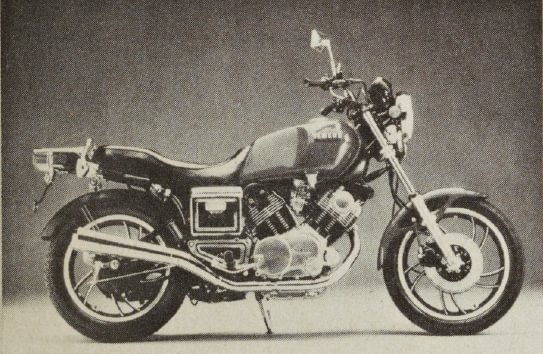
Yamaha’s commitment to innovation was evident through the introduction of the Virago line, one of the earliest Japanese cruisers embracing a V-twin engine. This move was strategic, directly challenging American manufacturers who had traditionally dominated the cruiser market. The Virago’s offering melded the signature Yamaha reliability and engineering precision with the quintessential cruiser experience—characterized by throaty exhaust notes and a robust, muscular presence. This motorcycle was not merely transport; it was an invitation to embrace a lifestyle defined by freedom and self-expression, resonating with riders across diverse demographics.
Conversely, the 1980 Yamaha lineup also catered extensively to adventure seekers with an appetite for off-road exploration, manifesting predominantly through its dirt bike series. These motorcycles were engineered for agility, durability, and control in rugged environments, where precision handling and reliable suspension systems were paramount. Yamaha’s dirt bikes from this era, including the iconic YZ and IT series, showcased lightweight frames, high-performance suspension, and engine configurations optimized for rapid throttle response and torque delivery.
In the realm of motocross and enduro racing, Yamaha’s YZ series stood as a paragon of competitive edge and reliability. Models like the YZ250 were especially revered for their balance of power and manageability, allowing riders to navigate technical tracks with finesse. The 1980 iteration incorporated advancements such as improved chassis geometry and refined carburetion systems, translating into superior on-track performance. Similarly, the IT series catered to the trail rider and enduro market, bridging the gap between rugged off-road capability and usability for longer, more varied outdoor excursions. These bikes featured reinforced frames and high ground clearance to master obstacles, offering riders confidence in diverse terrains.
Beyond cruisers and dirt bikes, the 1980 Yamaha motorcycle range extended to sport bikes and commuter models, fulfilling the needs of riders who sought speed, agility, and practicality in urban settings. Sport models like the Yamaha XS 750 and the XS 400 offered inline-three engine configurations with responsive handling and aerodynamic designs. These motorcycles served as an early testament to Yamaha’s future dominance in the sportbike realm, providing a blend of nimbleness and raw power that appealed to younger demographics and performance aficionados.
The commuter motorcycles of 1980 were no less significant, emphasizing fuel efficiency, ease of maintenance, and user-friendly ergonomics. They often incorporated single-cylinder engines and lightweight frames, prioritizing maneuverability in crowded city environments without sacrificing reliability. This practical segment underscored Yamaha’s holistic understanding of motorcycling as a lifestyle, accommodating riders seeking economical transportation as well as recreational adventure.
Intricacies in design differentiated each motorcycle segment, from the choice of chassis materials and suspension systems to engine displacement and tuning. Yamaha’s dedication to refining these elements was evident in its meticulous attention to engineering detail. For instance, the adoption of mono-shock suspension in certain dirt bike models improved rear wheel traction and rider comfort during aggressive riding sessions. Similarly, the use of shaft drive in some cruiser models reduced maintenance requirements while enhancing smoothness and durability.
Collecting and restoring 1980 Yamaha motorcycles has become a cherished pursuit among enthusiasts and historians. These machines represent a tangible connection to a transformative epoch in motorcycling, reflecting broader cultural trends and technological leaps. The various models from this year encapsulate a rich palette of motorcycling experiences—from the serene and contemplative to the adrenaline-fueled and competitive.
Riding a 1980 Yamaha motorcycle today offers more than transportation; it is a tangible brush with history, a rite of passage into the enduring legacy of Japanese engineering and design philosophy. Whether cruising down a winding country road, tearing through forest trails, or navigating urban streets, these motorcycles carry the spirit of an era that celebrated versatility without compromise.
In summation, the 1980 Yamaha motorcycles presented a diversified portfolio whose breadth satisfied a wide gamut of motorcycling ambitions. These machines were more than mechanical constructs; they were expressions of lifestyle, culture, and innovation. Yamaha’s synthesis of form and function during this period laid the groundwork for the brand’s continuing global influence, offering riders machines that were as reliable and distinctive as they were exhilarating. The exploration of these models invites enthusiasts and newcomers alike to appreciate the depth and richness of Yamaha’s automotive artistry from the dawn of the 1980s.