Could a relic from the 1980s truly outpace the sleek, technologically advanced bicycles of today? At first glance, the question may provoke a chuckle. After all, modern bikes boast cutting-edge materials, aerodynamic designs, and sophisticated gear systems that put their predecessors to shame. Yet, beneath the dust of nostalgia lies a surprising reality: certain forgotten BMX bikes from the 1980s still deliver a ride experience that can outmatch many contemporary machines in specific contexts, defying conventional assumptions about progress and performance.
The 1980s represented a golden era for BMX culture, a period when innovation and craftsmanship merged with rebellious spirit and raw enthusiasm. This was a decade marked not by plastic and mass production alone, but by a hands-on approach to manufacturing that emphasized durability, ingenious design, and the elemental joy of cycling. Today’s aluminum and carbon fiber frames may fill the weight charts, but those steel-framed BMXs carried an almost indestructible pedigree. Their rugged build and clever engineering allowed riders to endure flips, jumps, and grinds that would devour lesser machines.
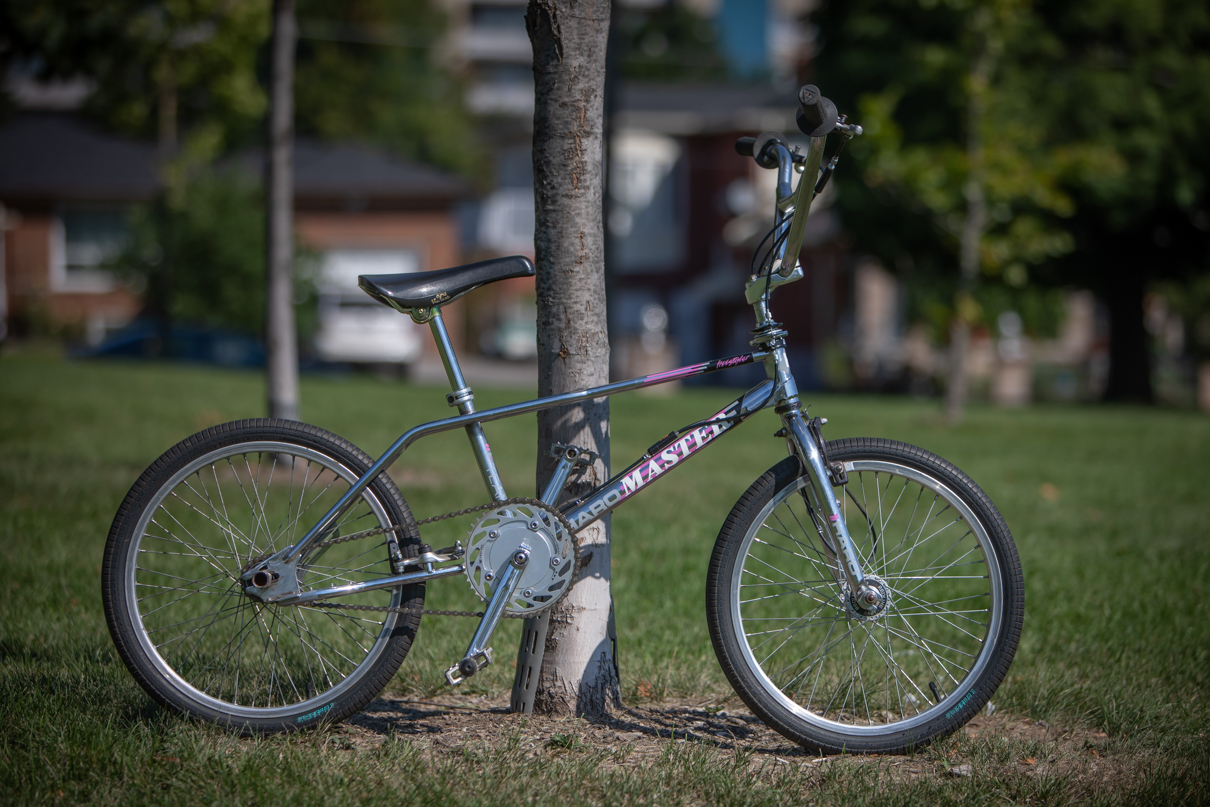
At the heart of this phenomenon lies the classic chromoly steel frame. Chromoly, an alloy celebrated for its balance of lightness and strength, was the backbone of many 1980s BMX bikes. Unlike the brittle carbon composites or fragile lightweight alloys used nowadays, chromoly offered resilience that allowed these bikes to absorb far more impact before bending or breaking. This robustness often translated into a bike that could sustain years of heavy use under aggressive riding conditions without losing its structural integrity.
Consider the geometry of these vintage BMX bikes. Unlike modern machines designed with a primary focus on speed and efficiency for road or trail, the 1980s BMX geometry catered to technical prowess and trick execution. Shorter wheelbases, lower stand-over heights, and elevated bottom brackets afforded riders greater control and maneuverability, enabling rapid direction changes and impeccable balance during mid-air tricks. Such design nuances fostered a tactile connection between rider and machine rarely felt on contemporary models shaped dominantly by aerodynamic optimization.
One cannot overlook the simplicity ingrained in these vintage machines. While modern BMX bikes are often laden with complex suspension systems, electronic shifting, and myriad composite components, the 1980s originals relied on mechanical simplicity. This minimalism translated to less maintenance, easier repairs, and a direct mechanical response that many purists find superior when in the thick of competitive or freestyle BMX riding. Sometimes, simpler truly does mean better—especially when it comes to durability under extreme conditions.
Let’s delve into some iconic examples to illustrate this enduring supremacy. The Haro Master, a legendary BMX bike that first emerged in the early 80s, exemplifies the perfect amalgamation of toughness and agility. Its chromoly frame and fork, combined with robust components, made it a favorite among street and park riders. This bike’s subtle yet integral design decisions, such as its gusset-reinforced frame joints and oversized tubular shapes, reduced flex and enhanced impact resistance. Even after decades, some of these machines continue to outperform a good number of today’s BMX bicycles, especially in park and street disciplines where durability and precision matter most.
Another notable contender is the Mongoose Supergoose, originally renowned for its raw power and aggressive geometry. Its steel frame and thick tubing were designed to withstand brutal riding conditions, appealing to freestyle enthusiasts who demanded both reliability and sharp handling. Compared to many current entry-level BMX bikes, the Supergoose’s weight and balance provide a sturdiness edge that can inspire confidence when attempting high-risk maneuvers or absorbing hard landings.
But why does this old-school endurance mystify so many cyclists? Part of it is the tactile feedback these bikes provide. Modern machines, while technical marvels, sometimes suffer from dampened road feel due to advanced vibration-absorbing technologies and over-engineered suspension. The vintage BMX experience is more visceral; riders feel every nuance of the terrain and every subtle shift in balance. This heightened communication between rider and bicycle can translate into better control and an improved ability to anticipate and react during complex moves—a crucial advantage in BMX riding where milliseconds count.
Of course, it’s not to suggest that contemporary bikes are obsolete or inferior across the board. Advances in materials science, manufacturing precision, and drivetrain technology have propelled cycling into new frontiers. Lightweight carbon fiber frames, refined gear ratios, and hydraulic disc brakes have revolutionized speed and efficiency. However, these innovations often cater primarily to road, mountain, or high-performance racing disciplines rather than BMX freestyle and street riding, where ruggedness and mechanical honesty reign supreme.
Moreover, the challenge lies in balancing nostalgia’s rose-tinted allure with empirical performance. Vintage BMX bicycles, while outstanding in specific milieus, generally cannot compete with modern bikes designed for endurance racing or downhill mountain biking in terms of sheer speed or suspension sophistication. Yet in arenas where agility, durability, and sheer resilience are paramount, these resurrected relics continue to surprise skeptics.
In fact, there has been a quiet renaissance among riders and restorers who seek to reclaim these 1980s machines, not merely as collector’s items but as genuine riders’ tools. This movement acknowledges the enduring value embedded in these forgotten bikes and challenges the assumption that newer always means better. In so doing, it crafts a compelling narrative about the value of design longevity and mechanical integrity.
So, does a forgotten BMX bike from the 1980s really still beat modern machines? In many respects, yes—especially when the demands are exacting control, toughness, and a direct, uncompromised cycling connection. Their durability and rider-centric design confer advantages that sometimes even the most cutting-edge contemporary technologies can’t replicate. Revisiting these stalwart machines offers both a window into cycling history and a practical solution for those seeking relentless performance under punishing conditions.
Ultimately, this juxtaposition underscores a broader truth: progress is not always linear, and sometimes the best innovations emerge not from the newest trends but from a timeless synthesis of purpose, craftsmanship, and innovation. The legacy of 1980s BMX bikes is a testament to this—proof that in the realm of cycling, as in life, sometimes the past beats the future.