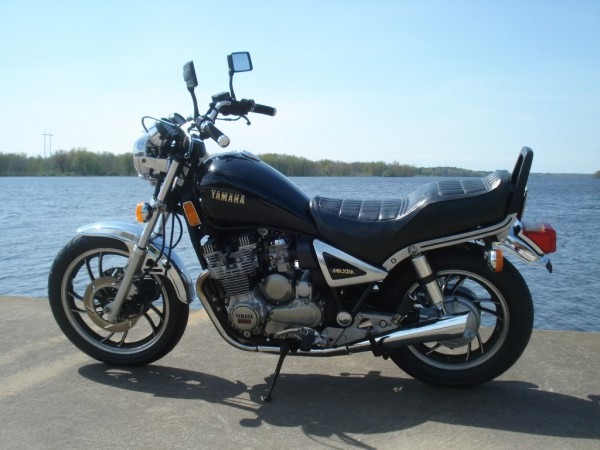
The 1983 Yamaha Maxim 750 stands as a remarkable specimen in the pantheon of classic cruisers. Renowned for its blend of robust engineering and an unmistakably vintage aesthetic, this motorcycle encapsulates the essence of early 1980s motorcycling culture. Designed to offer a harmonious balance between performance, comfort, and style, the Maxim 750 is a model that commands attention from enthusiasts and casual riders alike. This review delves deeply into the various facets of this iconic machine, painting a comprehensive picture for anyone intrigued by its legacy.
At first glance, the Yamaha Maxim 750 presents an amalgamation of muscular design cues and understated elegance. Its silhouette is defined by a long, low stance, complemented by a broad and inviting seat that promises extended cruising comfort. The blend of chromed elements and striking paint schemes available during its era elevate the bike beyond mere machinery—it becomes a statement piece, evoking nostalgia in a tactile form. The modest yet assertive headlamp, coupled with minimalist instrumentation, reflects Yamaha’s focus on functional beauty over superfluous ornamentation.
Underneath its stylistic veneer lies a potent 750cc four-stroke, air-cooled, DOHC inline-four engine. This powerplant is distinguished not only by its reliability but also by its smooth power delivery, which embodies the spirit of effortless cruising. Unlike the high-strung counterparts of its day, the Maxim 750 eschews frenetic revving for a restrained yet satisfying torque curve. This engine produces ample power for both city commutes and open highway tours, establishing the bike’s reputation as a versatile cruiser. The engine’s characteristic growl, a sonorous blend of mechanical precision and raw muscle, adds an auditory dimension to the riding experience often missing in modern machines.
Complementing the engine is a five-speed transmission that offers crisp, precise shifts. The gearbox is engineered for seamless transitions, ensuring the rider remains effortlessly connected to the mechanical heartbeat beneath them. Coupled with a chain-driven final drive, the transmission setup strikes a balance between maintaining traditional motorcycle dynamics and delivering performance that satisfies both casual and spirited riding styles.
Chassis and suspension components reinforce the Maxim 750’s cruiser identity. The bike features a robust tubular steel frame that provides structural rigidity without excess weight. Suspension duties are handled by telescopic front forks and dual rear shock absorbers, tuned to yield a supple, composed ride over varying road surfaces. The suspension’s ability to absorb imperfections without sacrificing handling precision makes long-distance rides less taxing, enhancing the motorcycle’s touring credentials. Braking is managed via front and rear disc brakes, a relatively progressive choice for the early 1980s, which imbues the Maxim 750 with confident stopping power and improved safety margins.
Ergonomics play a pivotal role in rider comfort aboard the Maxim 750. The motorcycle’s geometry is crafted to promote a natural, relaxed posture, reducing fatigue on extended journeys. Wide handlebars afford excellent leverage and control, while mid-mounted footpegs strike a careful equilibrium between sporty engagement and cruiser-style ease. The generously padded seat invites riders to settle in for hours on end without discomfort, all while maintaining an accessible seat height that appeals to a wide range of body types.
The instrumentation cluster on the 1983 Yamaha Maxim 750 maintains a straightforward approach. Analog gauges provide clear readings of speed, engine revolutions, fuel level, and basic warning lights. This unembellished setup, aside from echoing the minimalism of the era, ensures rider focus remains undistracted. The simplicity also contributes to ease of maintenance, an aspect that vintage bike enthusiasts deeply appreciate.
This motorcycle is often celebrated not just for its individual components but for the overall riding experience it fosters. It embodies the quintessence of a cruiser: effortless, relaxed rides punctuated by bursts of spirited acceleration when desired. Whether meandering through urban landscapes or carving leisurely arcs along coastal highways, the bike delivers a tactile connection to the road that modern motorcycles with their electronic aids sometimes lack. The Maxim 750’s relatively modest weight and balanced chassis enable nimble handling without sacrificing the planted confidence expected of a cruiser.
Collectors and aficionados are drawn to the 1983 Yamaha Maxim 750 as much for its authenticity as for its performance. As a motorcycle that represents a transitional period in motorcycling history, it bridges the gap between classic design philosophies and the technological advancements of its time. Restorers find joy in its mechanical simplicity and availability of replacement parts, while riders relish the dependable nature of its powertrain and the timeless appeal of its styling.
Beyond mechanical and aesthetic attributes, the cultural significance of the Maxim 750 is equally noteworthy. In the early ’80s, Yamaha sought to capture the growing market of riders eager for an accessible, middleweight cruiser that retained street-legal practicality. This model fulfilled that niche with aplomb, carving its own unique place amidst a sea of competitors. It stands today as a testament to Yamaha’s dedication to quality and innovation, a motorcycle that offers insight into an era when riders craved authenticity and direct engagement with their machines.
In conclusion, the 1983 Yamaha Maxim 750 is much more than a motorcycle; it is a rolling embodiment of an era’s spirit and technological ethos. It invites riders into a world where form follows function, where every detail is purposeful and every ride tells a story. Its enduring popularity among collectors and riders is firmly rooted in this delicate balance—between power and grace, simplicity and sophistication. For those seeking a vintage cruiser with character, reliable performance, and a touch of nostalgic charm, the Yamaha Maxim 750 remains a compelling choice worthy of exploration.