The year 1986 stands as a pivotal moment in the evolution of sportbikes, a period where Japanese manufacturers unleashed machines that would define the apex of motorcycle performance and design for the era. Among the titans of this movement were the Suzuki GSX-R750, the Kawasaki Ninja 1000R, and the Honda VF1000F Interceptor. Each of these motorcycles brought distinct philosophies, engineering marvels, and riding experiences to the fore, carving their unique niches in the annals of sportbike history. This comparison not only explores their technical specifications but delves into their character, purpose, and the diverse array of content enthusiasts and prospective riders might expect to encounter when studying or experiencing these iconic machines.
At a glance, these three sportbikes embody a confluence of speed, agility, and technological advancement, yet diverge in execution and intent. The Suzuki GSX-R750, often hailed as the progenitor of the modern liter-class sportbike, introduced a paradigm shift with its lightweight frame and race-oriented design. In contrast, the Kawasaki Ninja 1000R emerged as a behemoth with formidable displacement and an assertive presence aimed at blending raw power with accessible street manners. Meanwhile, the Honda VF1000F Interceptor incorporated pioneering technology with a V4 engine layout and shaft drive, signaling a different trajectory focused on refinement and reliability without sacrificing the exhilaration of spirited riding.
The Suzuki GSX-R750’s groundbreaking features were emblematic of an era eager to push boundaries. It was one of the first motorcycles in its class to integrate an aluminum frame, considerably reducing weight and enhancing handling dynamics. Prospective owners and enthusiasts can expect detailed content focusing on the craftsmanship involved in its frame design, the significance of its lightweight construction on track and street performance, and the evolution of its powertrain. Its air-and-oil-cooled inline-four engine delivered a balance of robust horsepower and nimble responsiveness, making it a natural choice for riders craving race-inspired aggression melded with everyday practicality.
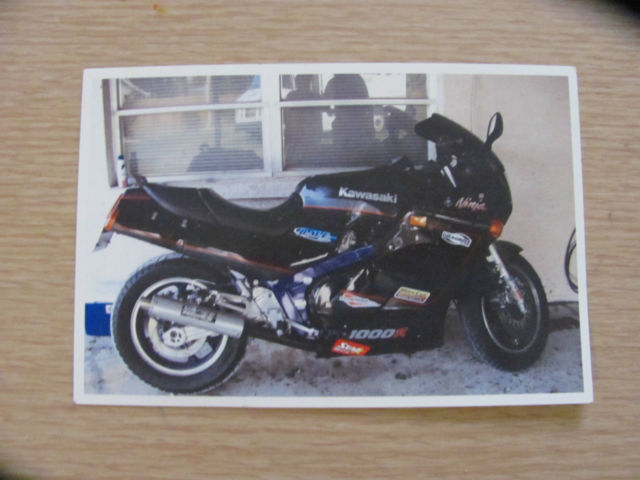
Conversely, the Kawasaki Ninja 1000R, with its formidable 998cc inline-four engine, commanded attention not just through numbers but through its distinctive silhouette. It was a machine that seemed born from the racetrack yet tailored for the tarmac twists of public roads. Enthusiast content around the Ninja 1000R often focuses on its muscular midrange torque, smooth throttle response, and the sensation of controlled power. As one explores this motorcycle, a recurring theme is its duality—simultaneously manageable for less aggressive riders and thrilling for seasoned aficionados. Detailed articles or reviews frequently analyze its braking setup, chassis geometry, and ergonomics, underscoring how these contribute to an assertive yet balanced riding experience.
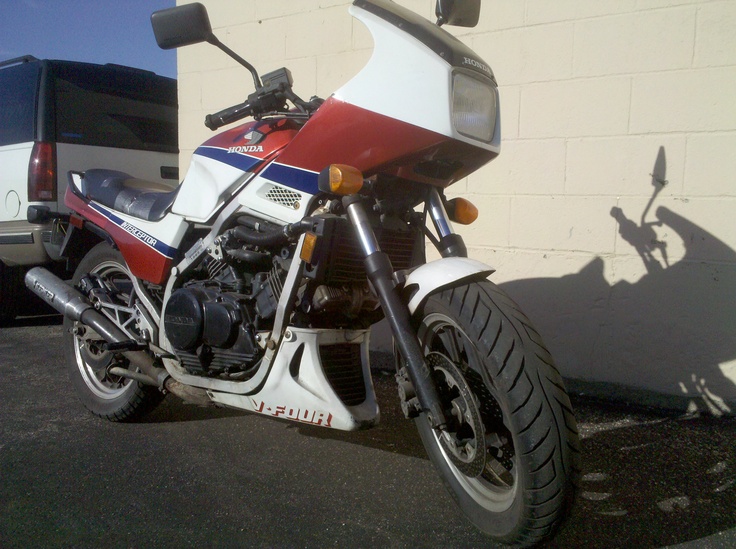
Honda’s VF1000F Interceptor takes a different angle, emphasizing mechanical sophistication and technological innovation. Its liquid-cooled V4 engine was a rarity in an industry dominated by inline-fours, granting it a distinct character both aurally and mechanically. Readers can expect comprehensive explorations of this engine configuration’s merits—how it impacts power delivery, center of gravity, and engine smoothness. Moreover, the shaft drive system represents a departure from the more common chain-driven mechanisms of the time, heralded for its low maintenance and longevity. Content dealing with the Interceptor often highlights these engineering choices, painting a picture of a sportbike that blends performance with everyday usability and low upkeep.
Beyond specifications, the nuances of rider ergonomics and styling provide another rich vein of content. The GSX-R750’s aggressive stance, characterized by its low handlebars and rear-set footpegs, caters to riders seeking an immersive, forward-leaning posture characteristic of track-oriented sportbikes. Detailed investigatory pieces might examine the impact of this positioning on rider fatigue during long rides, as well as its advantages in handling precision. The Ninja 1000R, meanwhile, adopts a slightly more relaxed geometry, allowing for greater comfort while retaining sportbike agility. This creates an opportunity for content centered on rider experience, highlighting how these subtle variations influence daily commute usability versus weekend warrior capabilities.
Stylistically, the 1986 Ninja 1000R exhibits a muscular and aerodynamic design, distinct from the GSX-R750’s more spartan, focused form. Articles could delve into the aesthetic trends of the mid-1980s, exploring how aerodynamics and aggressive bodywork started to play vital roles in sportbike identity. The VF1000F Interceptor stands apart with its sharp, angular fairing and exposed mechanical components, which appeal to riders fascinated by the mechanical artistry of motorcycles. Detailed photo essays and restoration stories serve as popular content forms to capture the timeless appeal of these looks while preserving their heritage.
Performance comparisons are inevitably central to any discussion, and here the contrast sharpens. The GSX-R750, despite its smaller engine displacement, often surprises with its agility and corner carving prowess, while the Ninja 1000R’s larger engine delivers brute force particularly evident on straights. The Interceptor balances power delivery with smoothness, offering a different kind of thrill that rewards finesse. Content such as dyno tests, track reviews, and rider testimonials provide invaluable insights into each motorcycle’s performance envelope. These detailed explorations reveal how raw horsepower numbers translate into real-world experiences on road and track alike.
Maintenance and aftermarket support around these models also attract significant exploration. Suzuki’s GSX-R750 sparked a wave of modifications and tuning, encouraging riders to personalize performance and aesthetics. Kawasaki’s Ninja 1000R, with its robust construction, often invites discussions on longevity, parts availability, and restoration challenges. Honda’s Interceptor, being somewhat rarer, becomes a subject for deep-dive technical guides and parts sourcing forums. For the vintage sportbike enthusiast or prospective collector, this content is indispensable, offering practical advice, troubleshooting tips, and insights into factory versus aftermarket solutions.
Finally, the cultural resonance of these motorcycles in the mid-1980s cannot be overstated. The Suzuki GSX-R’s pioneering spirit helped birth a segment of motorcycle enthusiasts devoted to lightweight, high-performance sportbikes. The Ninja 1000R embodied the rise of towering, street-dominating machines, capturing imaginations with its potent presence. The Interceptor epitomized Honda’s commitment to blend innovation with rider trust. Content exploring their impact ranges from historical retrospectives to interviews with riders who remember firsthand the thrill of these machines, thereby enriching understanding for modern audiences.
The 1986 sportbikes—Suzuki GSX-R750, Kawasaki Ninja 1000R, and Honda VF1000F Interceptor—are more than mere motorcycles; they are cultural artifacts embodying the decade’s moto-mechanical ethos. Overlapping yet distinct, they offer a kaleidoscope of experiences, insights, and opportunities for exploration. Readers and riders drawn to these machines can anticipate a wealth of detailed content: technical analyses, performance reviews, ergonomic studies, maintenance guides, aesthetic appreciations, and cultural chronicles, all unfolding the multilayered story of sportbike progression. These bikes, each in their distinctive way, continue to fascinate and inspire, reminding us how the mid-80s set the stage for the high-performance motorcycles that dominate roads and tracks today.