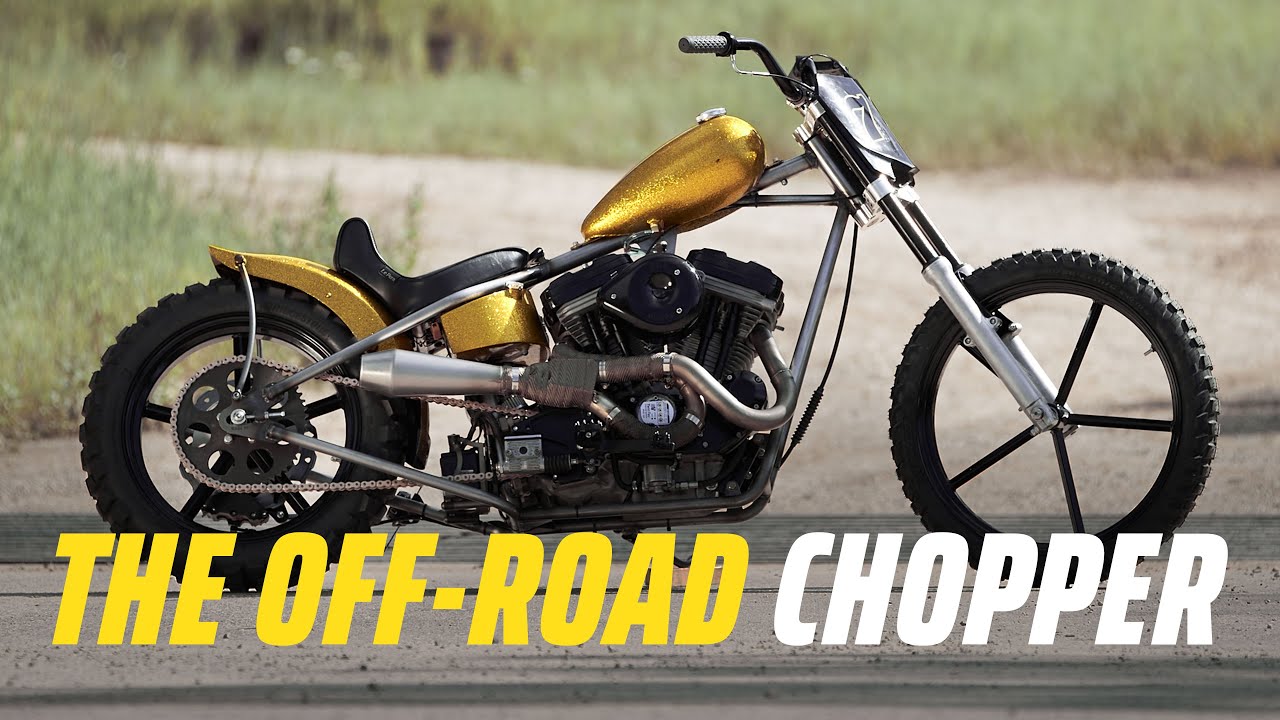
The Digger chopper isn’t just a motorcycle—it’s a rebellion on two wheels, a rolling manifesto of raw rebellion carved into steel and chrome. With its razor-thin rake, stretched forks, and a frame that seems to defy gravity, this machine is the automotive equivalent of a haiku: minimalist, yet bursting with meaning. It’s the lowest rake you can build, a statement that whispers, “I don’t need to go fast to go far.” This is the story of a machine that doesn’t just ride the road—it bends it to its will.
The Anatomy of Defiance: What Makes a Digger Chop
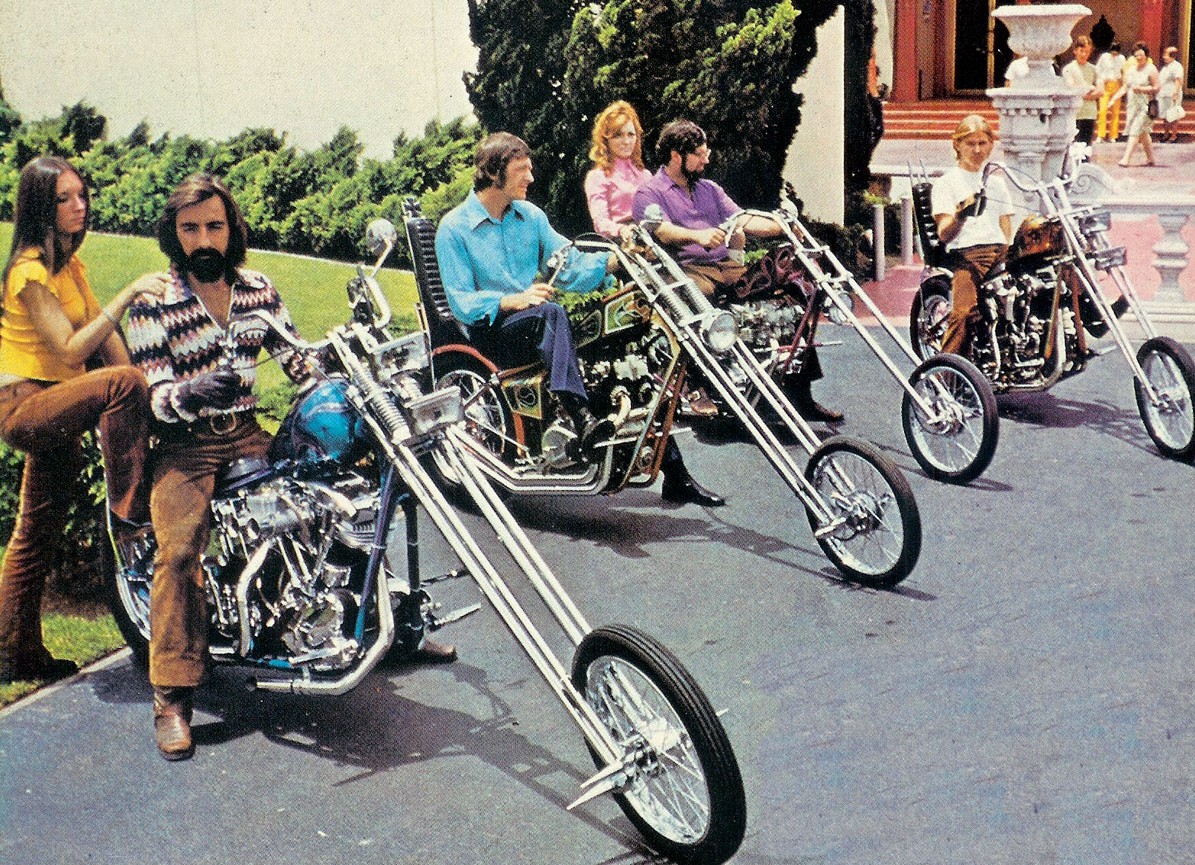
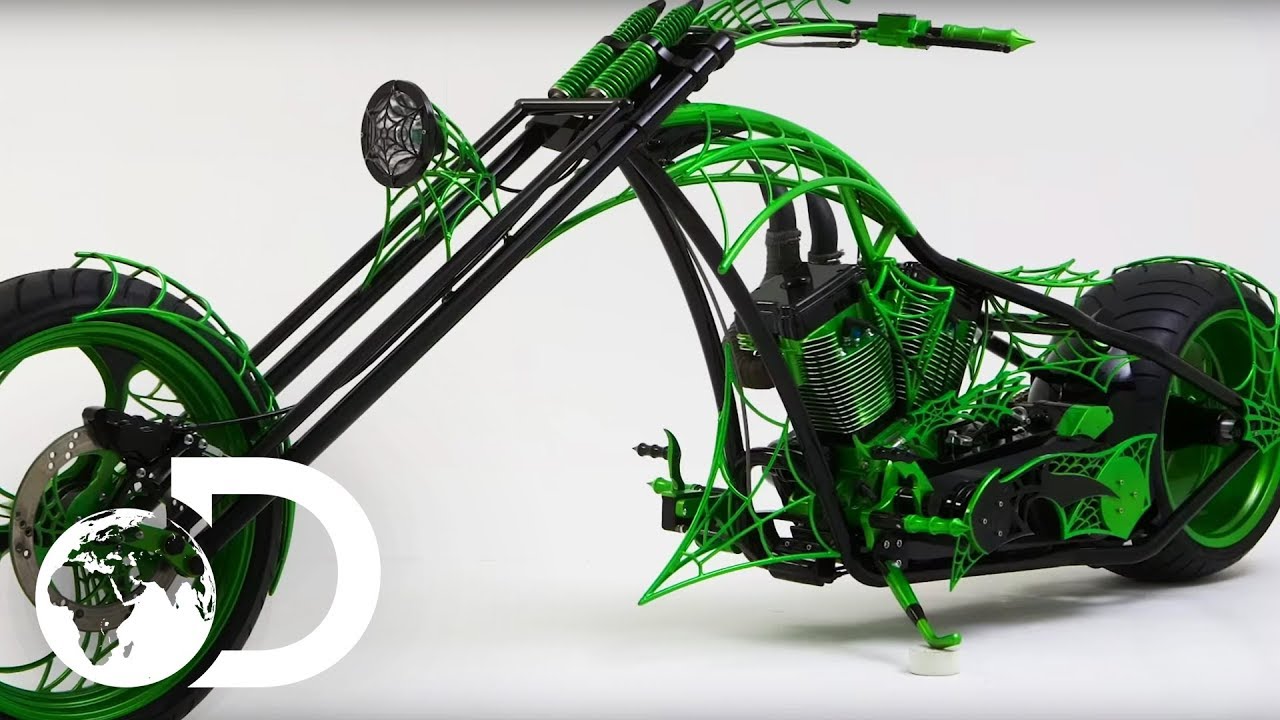
A Digger chopper is a study in extremes, where every line is drawn with surgical precision and every angle is a deliberate provocation. At its core, the defining feature is the rake angle—often dipping below 20 degrees, sometimes as low as 15. This isn’t just geometry; it’s geometry with an attitude. The forks are stretched, sometimes by a foot or more, creating a visual illusion that the front wheel is almost kissing the pavement. The frame is raked out aggressively, the neck angle elongated, and the entire structure seems to lean forward like a sprinter at the starting block. The result? A machine that looks like it’s perpetually in motion, even when parked.
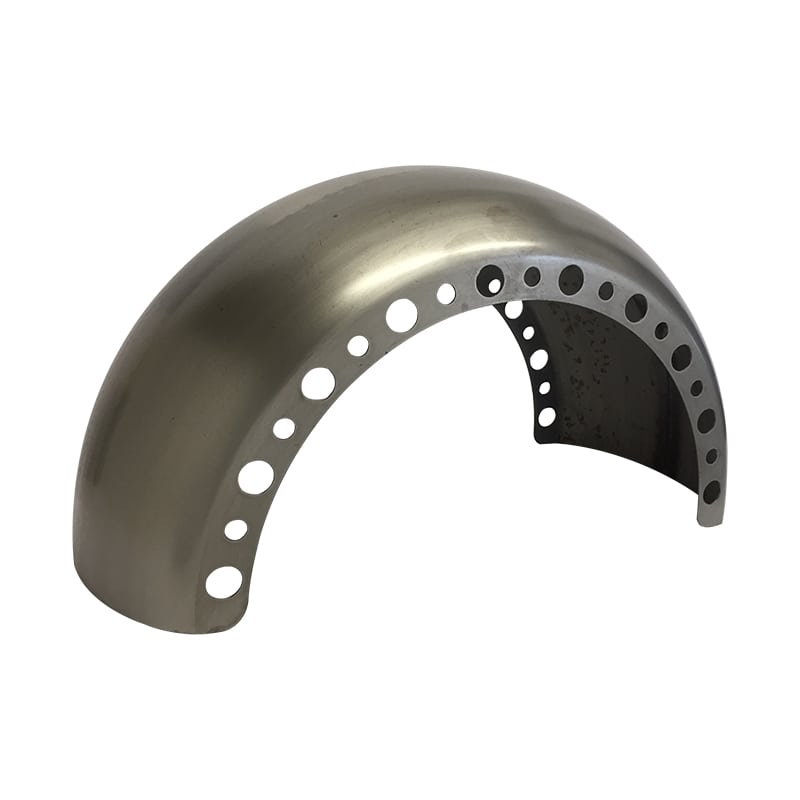
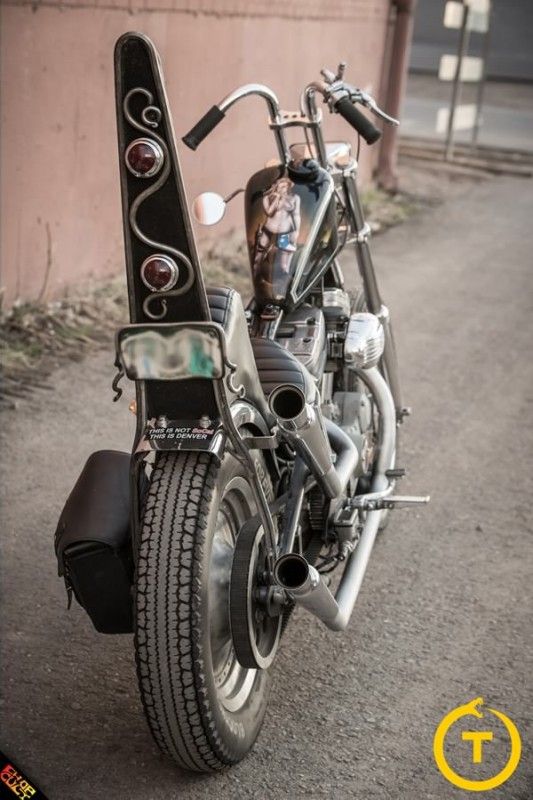
But the Digger isn’t just about angles. It’s about absence. The lack of a front fender, the minimalist fuel tank, the exposed engine—every element is stripped down to its essence. It’s a motorcycle that refuses ornamentation, choosing instead the stark beauty of raw functionality. The seat is often a solo saddle, perched high above the rear wheel, giving the rider the commanding presence of a captain on the deck of a battleship. This isn’t a bike for the faint of heart. It’s a machine for those who see the road not as a path, but as a canvas for their own defiance.
The Philosophy of the Low Rake: Why Less is More
To understand the Digger, you must first understand the philosophy behind the low rake. In a world obsessed with speed, power, and aerodynamics, the Digger stands apart by embracing the opposite: stillness, control, and an almost meditative slowness. The low rake isn’t just a design choice—it’s a statement. It says, “I don’t need to scream to be heard.” The bike’s presence is felt long before it moves, its silhouette cutting through the air like a blade through silk.
There’s a Zen-like quality to the Digger. The rider becomes one with the machine, their body leaning into turns with a grace that belies the bike’s aggressive stance. The low center of gravity makes it stable at cruising speeds, turning the act of riding into a dance rather than a race. It’s a motorcycle for those who value the journey over the destination, for those who see the road not as a race track, but as a ribbon of asphalt to be savored, inch by inch.
And yet, there’s a paradox here. The Digger may look like it’s barely moving, but it’s anything but sluggish. The stretched forks and low rake create a unique geometry that makes the bike incredibly nimble at low speeds. It’s the kind of machine that can weave through traffic with the precision of a surgeon’s scalpel, its rider in complete control. It’s a bike that rewards patience, that turns every ride into an experience rather than a commute.
The Art of the Build: Crafting a Digger from Scratch
Building a Digger chopper is not for the faint of heart. It’s a labor of love, a testament to patience and vision. The process begins with the frame. Most Diggers are built on a stretched rigid frame, often custom-fabricated to achieve the perfect rake angle. The forks are then extended, sometimes by welding in additional tubes or using aftermarket trees designed specifically for low rake builds. The neck angle is adjusted to match, ensuring the entire structure is in harmony.
The engine is another critical component. Many Diggers are powered by air-cooled V-twin engines, their rumbling exhaust notes a symphony of mechanical poetry. The transmission is often a hard-tail setup, with a single-speed or a minimalist two-speed gearbox. The rear suspension is typically hard-mounted, adding to the bike’s rigid, uncompromising stance. The front suspension is often a girder fork or a modified Springer, both of which contribute to the Digger’s distinctive look.
But the real magic happens in the details. The fuel tank is often a teardrop shape, its smooth curves contrasting with the sharp angles of the frame. The seat is a solo saddle, its high perch giving the rider a commanding view of the road. The handlebars are pulled back, sometimes nearly horizontal, creating a riding position that’s both aggressive and relaxed. Every element is chosen not just for its function, but for its contribution to the bike’s overall aesthetic. A Digger isn’t just built—it’s sculpted.

The Digger in Motion: Riding the Edge of Control
There’s something almost surreal about riding a Digger. The bike’s low rake and stretched forks create a riding experience that’s unlike anything else. At first glance, it seems like it would be unwieldy, a machine that’s more likely to topple over than glide smoothly. But the opposite is true. The Digger is incredibly stable, its low center of gravity and unique geometry making it a joy to ride at cruising speeds. The rider feels every nuance of the road, the bike responding to their slightest movements with a precision that borders on telepathy.
The Digger’s riding position is another key to its appeal. The pulled-back handlebars and high seat put the rider in a commanding position, their body leaning into turns with a natural grace. The bike feels like an extension of the rider, a mechanical partner in a dance that’s as much about rhythm as it is about speed. There’s no need to rush. The Digger rewards patience, turning every ride into a meditation on the open road.
And yet, the Digger is not a bike for the timid. Its low rake and stretched forks mean that it’s not built for high-speed chases or aggressive cornering. It’s a bike for those who see the road as a place of reflection, not a race track. It’s a machine that demands respect, that turns every ride into an experience rather than a commute. It’s the kind of bike that makes you want to take the long way home, just to savor the feeling of the wind in your face and the road beneath your wheels.
The Cultural Impact: Why the Digger Endures
The Digger chopper is more than just a motorcycle—it’s a cultural icon, a symbol of rebellion and individuality. Born in the garages and back alleys of the 1960s and 70s, the Digger emerged as a counterpoint to the flashy, chrome-laden bikes of the era. It was a machine for those who saw themselves as outsiders, for those who valued substance over style. The Digger’s minimalist aesthetic and aggressive stance made it a favorite among custom builders and riders who saw the road as a place to express their own unique vision.
Today, the Digger remains as relevant as ever. In a world of mass-produced motorcycles and cookie-cutter designs, the Digger stands apart as a testament to the power of individuality. It’s a bike that says, “I am not like the others.” It’s a machine that turns heads, that sparks conversations, that inspires awe. The Digger is more than just a motorcycle—it’s a work of art, a rolling sculpture that moves under its own power.
And perhaps that’s the key to its enduring appeal. The Digger isn’t just a bike. It’s a statement. It’s a rebellion. It’s a machine that refuses to be ignored. In a world that often values speed over substance, the Digger reminds us that sometimes, the most powerful machines are the ones that move us not just physically, but emotionally. It’s a motorcycle that doesn’t just take you from point A to point B—it takes you on a journey, a journey of self-discovery and individuality.

The Future of the Digger: A Legacy in Motion
The Digger chopper is more than just a relic of the past—it’s a living, breathing testament to the power of customization and individuality. As long as there are riders who value substance over style, who see the road as a canvas for their own unique vision, the Digger will endure. It’s a bike that refuses to be boxed in, that continues to evolve and adapt to the changing times. Whether it’s built on a vintage Honda CB750 or a modern custom frame, the Digger remains a symbol of rebellion, a machine that says, “I am not like the others.”
And perhaps that’s the true magic of the Digger. It’s not just a motorcycle. It’s a philosophy. It’s a way of life. It’s a machine that turns every ride into an experience, every journey into a story. The Digger chopper isn’t just the lowest rake you can build—it’s the highest form of self-expression on two wheels.