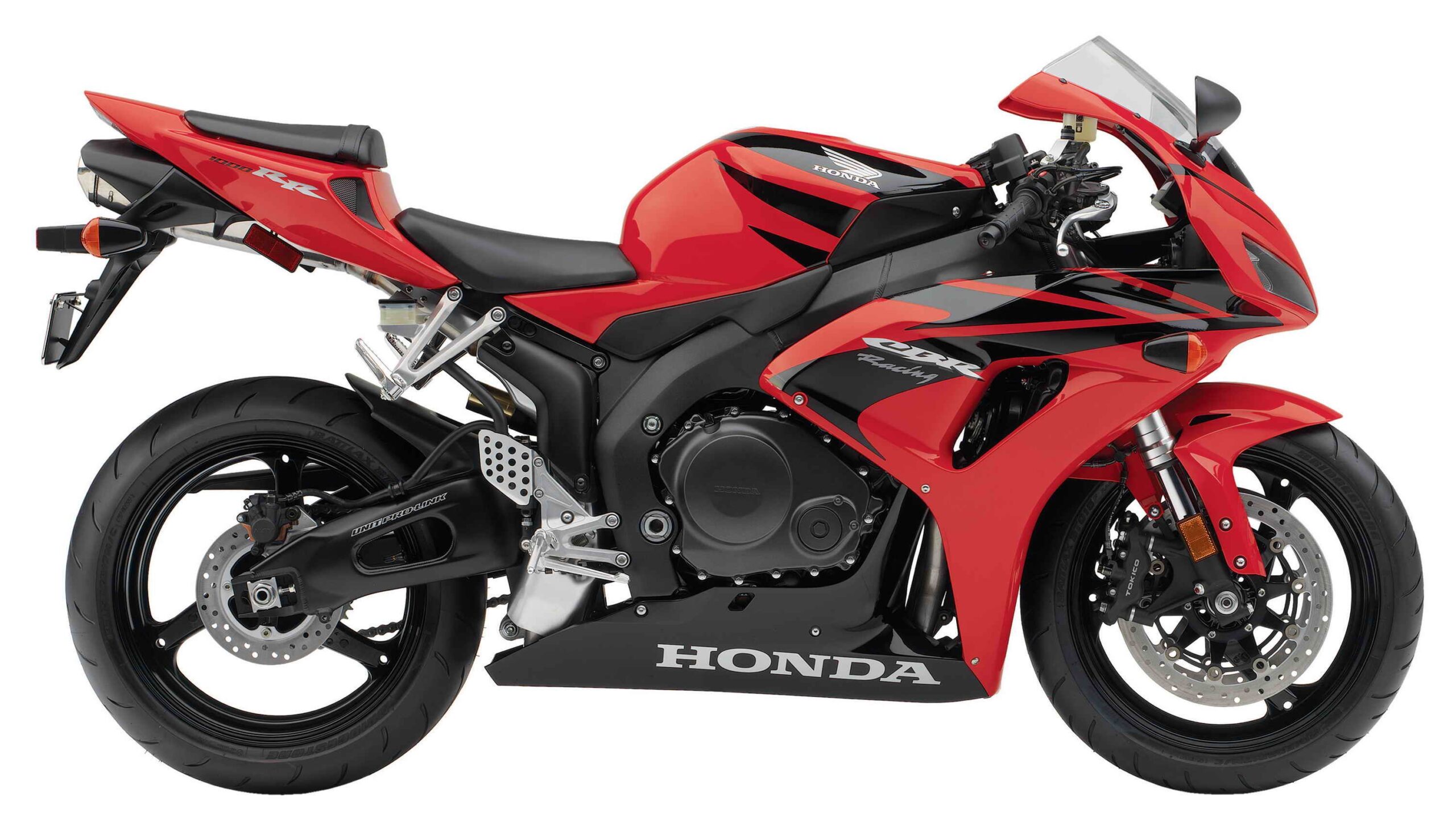
The 2007 Honda CBR1000RR represents a fascinating chapter in the saga of superbikes, capturing the imagination of motorcycle enthusiasts around the world not merely for its engineering prowess but for its formidable top speed. When the question arises, “How fast is the 2007 CBR1000RR really?” it beckons more than a simplistic numerical answer—it invites a deeper exploration into the synthesis of technology, aerodynamics, and rider intimacy that defines the essence of speed on two wheels.
At a surface level, the 2007 CBR1000RR, often celebrated under its iconic moniker, the Fireblade, boasts a top speed frequently cited around 175 miles per hour (mph). This figure, while impressive, is not merely a product of raw horsepower but a harmonious orchestration of multiple mechanical and design elements. What is intriguing is how this top speed situates the CBR1000RR within the competitive landscape of liter-class motorcycles of its era. To fully appreciate the significance of this velocity, one must dissect the anatomy of this superbike’s performance metrics.
The heart of the 2007 CBR1000RR beats with an inline four-cylinder, liquid-cooled engine, displacing 998 cc. This powerplant churns out roughly 178 horsepower at the crankshaft, translating mechanical energy into brutal speed. Yet, horsepower figures alone do not delineate the top speed outcome. Instead, gearing ratios, weight distribution, and aerodynamic design converge to create a bike that slices through the air with minimal resistance while maintaining enough torque to trounce any obstacles that might impede acceleration beyond triple digits.
A critical facet of the CBR1000RR’s design philosophy lies in its chassis and aerodynamics. Honda engineers painstakingly crafted the bike’s silhouette with sleek, aggressive lines, balancing form and function to minimize drag. The fairings envelop the mechanical innards, guiding airflow around the rider and machine to reduce turbulence that typically opposes high-speed stability. This streamlined framework not only enhances the bike’s velocity but improves handling characteristics at top speeds where many machines might become unstable or challenging to control.
However, top speeds approaching or exceeding 175 mph are more than numbers on a spec sheet. They resonate profoundly with riders who seek a visceral connection with their machine and the road—or more aptly, the air—around them. The top speed becomes a symbol of mastery, courage, and engineering accomplishment. Auditory stimuli, the roar of the engine, the rush of wind, and even the subtle vibrations transmitted through the grips coalesce to create a sensory tableau that elevates the act of riding to an almost transcendental experience.
But why this insatiable fascination with top speed? From a historical perspective, the quest for speed has always been intertwined with the human spirit’s urge to push boundaries. The 2007 CBR1000RR stands as a testament to this ethos, capturing the essence of an era where technological strides in metallurgy, fuel injection systems, and electronic management gave birth to motorcycles capable of astonishing velocity without sacrificing control and reliability.
Equally relevant is understanding that achieving the manufacturer-quoted top speed in real-world scenarios involves numerous variables. Environmental factors such as altitude, temperature, wind conditions, and even road surface quality bear heavily on the actual attainable speed. Moreover, rider technique, weight, and ergonomics influence how well the motorcycle can exploit its mechanical potential. Essentially, the cited top speed is a benchmark, an idealized figure under optimal conditions, rather than an everyday achievable number for most riders.
The 2007 CBR1000RR’s standing among its contemporaries further elucidates its top speed capabilities. Compared to other 1000cc superbikes of the mid-2000s, it rivals and often exceeds competitors in speed while maintaining a reputation for balance and ease of handling. This equilibrium of raw speed and manoeuvrability is why the Fireblade remains coveted. It refuses to be pigeonholed as merely a straight-line rocket, instead offering a holistic riding experience where speed complements agility rather than supplants it.
Beyond pure performance data, the 2007 CBR1000RR’s top speed serves as a reminder of the symbiotic relationship between man and machine. At high velocities, the margin for error diminishes precipitously, demanding precision, skill, and respect from the rider. The Fireblade becomes an extension of the rider’s will, responding with immediacy and confidence. This intimate dynamic forms the emotional undercurrent that fuels the reverence for speed in motorcycling culture.
In conclusion, the question of how fast the 2007 CBR1000RR truly is opens up a rich discourse that transcends mere numbers. Its top speed, while impressive in isolation, is emblematic of broader themes—technological innovation, aerodynamic mastery, riding artistry, and an enduring human inclination toward velocity. The Fireblade’s performance cements its position as a landmark in superbike history, a machine that not only achieved remarkable speeds but also epitomized the exhilaration and sophistication of motorcycling at its finest.