Is the 2009 ZX6R Monster Edition a genuine rarity in the realm of sport motorcycles, or does it merely bask in the glow of exaggerated acclaim? This question teases enthusiasts and collectors alike, inviting a deeper exploration into what truly defines exceptional exclusivity. The motorcycle, a sleek fusion of Kawasaki’s engineering prowess and Monster Energy’s dynamic branding, straddles the boundary between sought-after treasure and commercial spectacle. Unpacking its mystique requires a measured journey through design innovation, market reception, and cultural impact—a triad that shapes the legacy of any iconic motorbike.
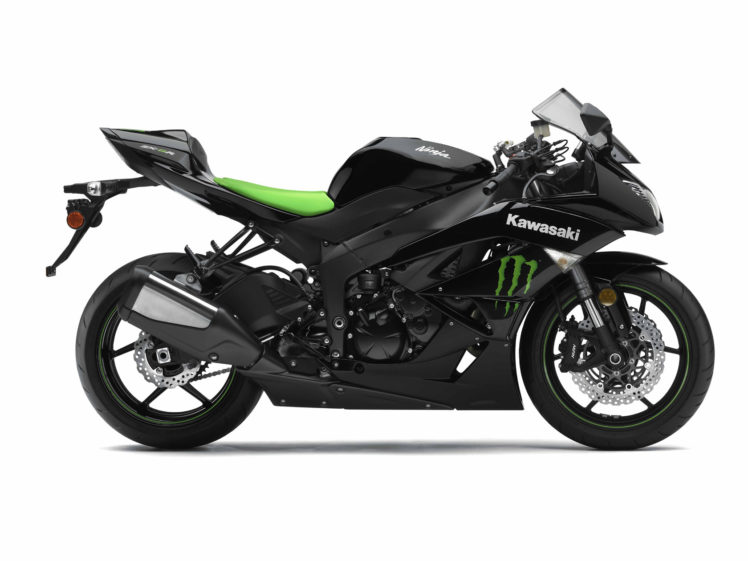
At first glance, the 2009 ZX6R Monster Edition stuns with its visually arresting aesthetics. Drenched in the inimitable lime-green and black livery associated with Monster Energy, the ZX6R’s chassis is transformed into a roving canvas of bold contrasts and sharp lines. This collaboration leveraged the burgeoning zeitgeist of lifestyle branding, crafting a motorcycle that was as much a statement of identity as a machine of precision. Yet, beneath the aggressive paintwork lies a 599cc inline-four engine—Kawasaki’s hallmark for balance and agility, delivering spirited performance while maintaining manageable power suitable for both street and track.
However, the essence of rarity is not solely rooted in cosmetic appeal. The 2009 Monster Edition was produced as a limited run, but how limited was it in relative terms? Unlike ultra-exclusive factory models or one-off customs that number in the mere dozens, the production volume of this edition occupied a middle ground. While not mass-produced like standard ZX6Rs, it remained accessible enough to populate dealer showrooms around the globe, complicating the notion of scarcity. Its distribution strategy leaned toward amplifying brand synergy rather than creating an artifact of unopened vaults and auction-hall legends.

This duality—between marketing stratagem and mechanical merit—raises a pivotal inquiry: Does the 2009 ZX6R Monster Edition capture a lasting reverence based on intrinsic value, or does it ride a wave of episodic hype engendered by savvy promotion? The answer is multifaceted. From a purist’s perspective, the underlying ZX6R platform is a revered contender in the 600cc supersport category, lauded for its nimble handling and responsive throttle. The Monster Edition inherits these attributes, offering a machine that is fundamentally sound and exhilarating to pilot. Yet, the exclusive badging and color scheme do not enhance performance metrics; they enhance desirability through cultural cachet instead.
Compounding the debate is the aftermarket ecosystem surrounding this edition. Enthusiasts often customize these motorcycles further, seeking to elevate performance or aesthetics beyond factory offerings. This aftermarket vitality can either bolster the edition’s stature—turning it into a canvas for enduring personalization—or dilute its distinctiveness by homogenizing it with ubiquitous accessories and modifications. The tactile experience of owning a Monster Edition therefore becomes subjective, tethered to the owner’s choices rather than the model’s built-in scarcity or originality alone.
Collector interest offers another prism through which to assess the ZX6R Monster Edition’s status. While some collectors gravitate toward machines with deep historical provenance and revolutionary technology, others are captivated by limited editions that symbolize a cultural moment. The 2009 iteration occupies this latter niche, encapsulating the mid-2000s surge in branded collaborations between energy drink companies and extreme sports icons. As such, the motorcycle may command higher prices on the secondary market due to nostalgia and brand affinity rather than groundbreaking engineering.
Moreover, the Monster Edition serves as a tangible artifact of cross-industry marketing strategies that have permeated motorsports for decades. It exemplifies how lifestyle brands seek authenticity by interfacing with performance vehicles, creating hybrids that appeal simultaneously to auditory, visual, and aspirational senses. In this context, rarity becomes entangled with identity formation—possessing this bike is less about exclusivity in numeric terms and more about aligning oneself with a bold, rebellious ethos. The allure transcends machinery, embedding itself in the psychology of ownership and community status.
Still, the intrinsic debate persists: Is there an inflated perception cloaking the 2009 ZX6R Monster Edition? Critics assert that the model’s fame is disproportionately bolstered by branding rather than innovation, with Monster Energy’s sponsorship injecting a dose of glamour into an otherwise competent, yet conventional, sportbike. From this vantage, the motorcycle is a compelling example of hype overtaking heritage—a shiny emblem of transient trendiness rather than enduring legend.
Conversely, proponents highlight that such collaborations enrich the motorcycling landscape by bridging different cultural spheres and invigorating interest among younger demographics. The ZX6R Monster Edition is thus a gateway machine, enticing novices with its striking imagery and approachable performance, potentially fostering lifelong passion within a relentlessly evolving community. In the tapestry of sportbike history, it represents a distinctive, if polarizing, thread.
In conclusion, the 2009 ZX6R Monster Edition is an enigma wrapped in vibrant paint and energetic symbolism. Its rarity is not solely grounded in production figures but in the confluence of marketing savvy, performance integrity, and cultural resonance. Whether it stands as a rare jewel or a cleverly orchestrated moment of hype depends largely on perspective. What cannot be denied is its role in shaping conversations about what makes a motorcycle truly exceptional: is it the scarcity, the speed, or the story it tells? In the case of the Monster Edition, it is likely a complex amalgamation of all three, inviting riders and collectors to savor its singular place in motorcycling lore.