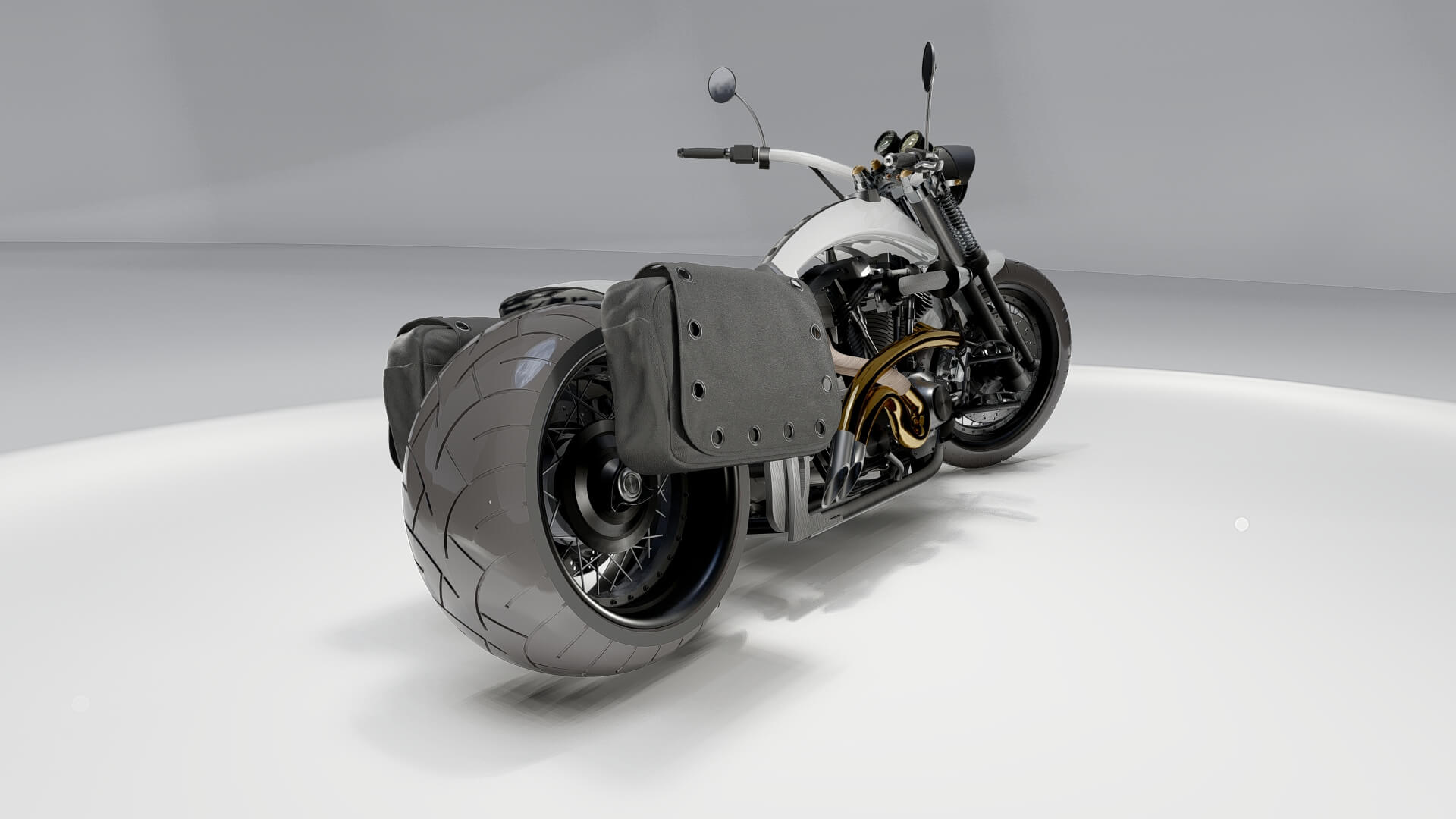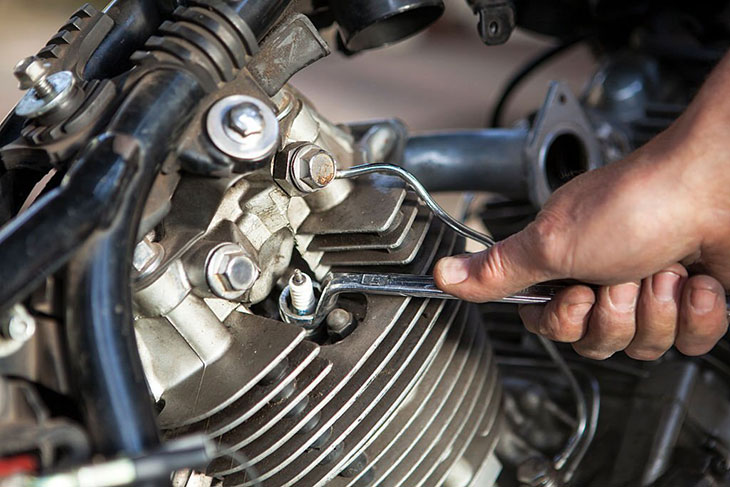
There’s something almost poetic about the way a chopper engine hums to life—each cylinder’s heartbeat syncing with the rhythm of the road. But when that harmony is disrupted by a stripped spark plug hole, the melody turns to discord. A stripped thread in this critical junction isn’t just a mechanical hiccup; it’s a betrayal of precision, a silent saboteur that can turn a smooth ride into a frustrating ordeal. Whether you’re a weekend tinkerer or a seasoned gearhead, understanding how to resurrect a stripped spark plug hole is more than a skill—it’s a rite of passage into the deeper mechanics of power and performance.
The Anatomy of a Stripped Spark Plug Hole: Why It Happens and Why It Matters
A spark plug hole isn’t just a hole—it’s a precision-engineered gateway where electricity meets fuel, where combustion becomes motion. When the threads that secure the plug degrade, the consequences ripple through the engine’s soul. Over-tightening, cross-threading, or even the natural wear of time can strip the threads, leaving the plug loose or, worse, unable to seal properly. The result? Misfires, loss of power, and a gnawing sense of betrayal from the machine you trust to carry you forward.
But why does this happen so often in chopper engines? The answer lies in the marriage of power and fragility. Choppers, with their high-performance engines and custom builds, push components to their limits. The spark plug hole, though small, bears the brunt of immense pressure and heat. Add to that the vibrations of a long ride or the torque of a sudden acceleration, and it’s no wonder threads can succumb to fatigue. The deeper truth? A stripped hole isn’t just a flaw—it’s a symptom of a larger dance between engineering and entropy.


Tools of the Trade: What You’ll Need to Tackle the Job
Before you dive into the fray, arm yourself with the right arsenal. A stripped spark plug hole demands respect, and the tools you choose will either be your allies or your downfall. Start with a thread chaser or a tap set—preferably one designed for spark plug holes, as their pitch and size are unique. A helicoil kit is your secret weapon, a coiled savior that can restore threads with surgical precision. Don’t forget a magnetic pick to fish out debris, a torque wrench to avoid repeating the mistake, and a healthy dose of patience. And yes, a can of penetrating oil—because sometimes, the threads just need a little encouragement to let go of their grip.
Pro tip: If you’re working on an aluminum head, be extra cautious. Aluminum is softer than steel, and aggressive tools can turn a minor repair into a major headache. A brass or bronze tap will spare your head the indignity of further damage. And always, always work in a well-lit space—because even the most skilled mechanics can’t fix what they can’t see.
Step-by-Step Resurrection: Restoring the Threads to Glory
The first rule of fixing a stripped spark plug hole? Slow down. Rushing this job is like trying to outrun a storm—you’ll only make things worse. Begin by removing the spark plug and clearing any debris from the hole. A blast of compressed air can work wonders here, but if you’re without a compressor, a can of compressed air (the kind for cleaning keyboards) will do in a pinch. Now, insert the thread chaser or tap into the hole, aligning it carefully. Turn clockwise, applying steady pressure, but never force it. If the tap binds, back it out slightly and try again—patience is your greatest ally.
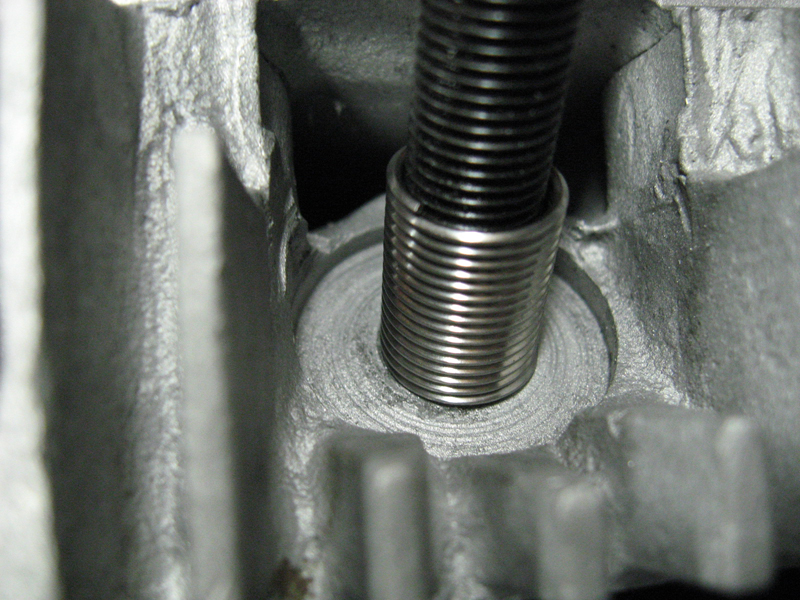
Once the threads are clean and uniform, it’s time for the helicoil. This isn’t just a repair—it’s a rebirth. Insert the coil into the hole, following the kit’s instructions to the letter. Most helicoil kits come with a specialized tool to wind the coil into place, but if you’re improvising, a pair of needle-nose pliers can work in a bind. Once the coil is seated, use the provided installation tool to break off the tang (the little tab that helps with insertion). Now, screw in a new spark plug, but don’t tighten it just yet. Torque it to the manufacturer’s specifications—over-tightening is the fastest way to undo all your hard work.
Prevention: The Art of Avoiding Future Strips
They say an ounce of prevention is worth a pound of cure, and nowhere is that truer than in the world of chopper engines. The first line of defense? Proper torque. A torque wrench isn’t just a tool—it’s a promise to your engine that you won’t overstep its boundaries. Always follow the manufacturer’s torque specs, and if you’re unsure, err on the side of caution. A little looseness is better than a stripped hole.
Next, consider thread lubrication. A dab of anti-seize compound on the spark plug threads can reduce friction and prevent galling, especially in high-heat environments. And if you’re rebuilding an engine or swapping heads, take the time to chase the threads before installation. Prevention isn’t just about avoiding mistakes—it’s about honoring the craftsmanship that went into building your machine.
Finally, listen to your engine. A misfire or a rough idle isn’t just an annoyance—it’s a warning. Addressing issues early can save you from a stripped hole and a world of frustration. And remember: every engine has its quirks. Learn yours, respect its limits, and it will reward you with miles of smooth, powerful rides.
When to Call in the Cavalry: Knowing Your Limits
Not every battle is meant to be fought alone. If you’ve tried repairing a stripped spark plug hole and the threads still won’t hold, or if the damage is severe, it might be time to seek professional help. A machine shop can bore and tap the hole to a larger size, allowing for a helicoil or even a threaded insert. It’s not a defeat—it’s a strategic retreat. There’s no shame in knowing when to call in reinforcements, especially when the stakes are high.
And let’s be real: some jobs are beyond the reach of even the most dedicated DIYer. If your chopper’s engine is a rare or custom build, or if the damage is extensive, a professional’s touch can mean the difference between a rideable machine and a project that gathers dust. The key is to recognize when your skills have met their match—and to act before the problem spirals out of control.
The Deeper Allure: Why We Obsess Over the Details
There’s a quiet magic in fixing what’s broken. It’s not just about saving money or avoiding a trip to the shop—it’s about reclaiming control, about proving that you and your machine are a team. A stripped spark plug hole is more than a mechanical flaw; it’s a challenge, a puzzle that demands your attention and rewards your persistence. And when you finally fire up the engine after a successful repair, the sense of accomplishment is unmatched.
But there’s something else at play here, something almost spiritual. Engines are the hearts of our machines, and when they falter, it’s as if the machine itself is asking for help. Fixing a stripped spark plug hole isn’t just maintenance—it’s a conversation. It’s you, listening to the engine’s whispers, understanding its needs, and responding with care. In a world that often feels disposable, that connection is rare and precious.
So the next time your chopper’s engine stumbles, don’t just curse the problem. See it for what it is: an opportunity. An opportunity to learn, to grow, and to deepen your bond with the machine that carries you forward. After all, the best rides aren’t just about the miles—they’re about the moments in between, when man and machine become one.