In the vast pantheon of motorcycles, the 2008 Harley-Davidson FXDB Dyna Street Bob emerges as a paragon of minimalist rebellion—a mechanical canvas where raw intent meets stripped-down elegance. It stands not merely as a vehicle, but as an elemental expression of the open road’s unspoken promises, a tactile metaphor for freedom distilled to its purest form. Eschewing superfluous opulence, the Street Bob’s essence is captured in its deliberate austerity, an echo of bygone eras resurrected with modern precision and zeal.
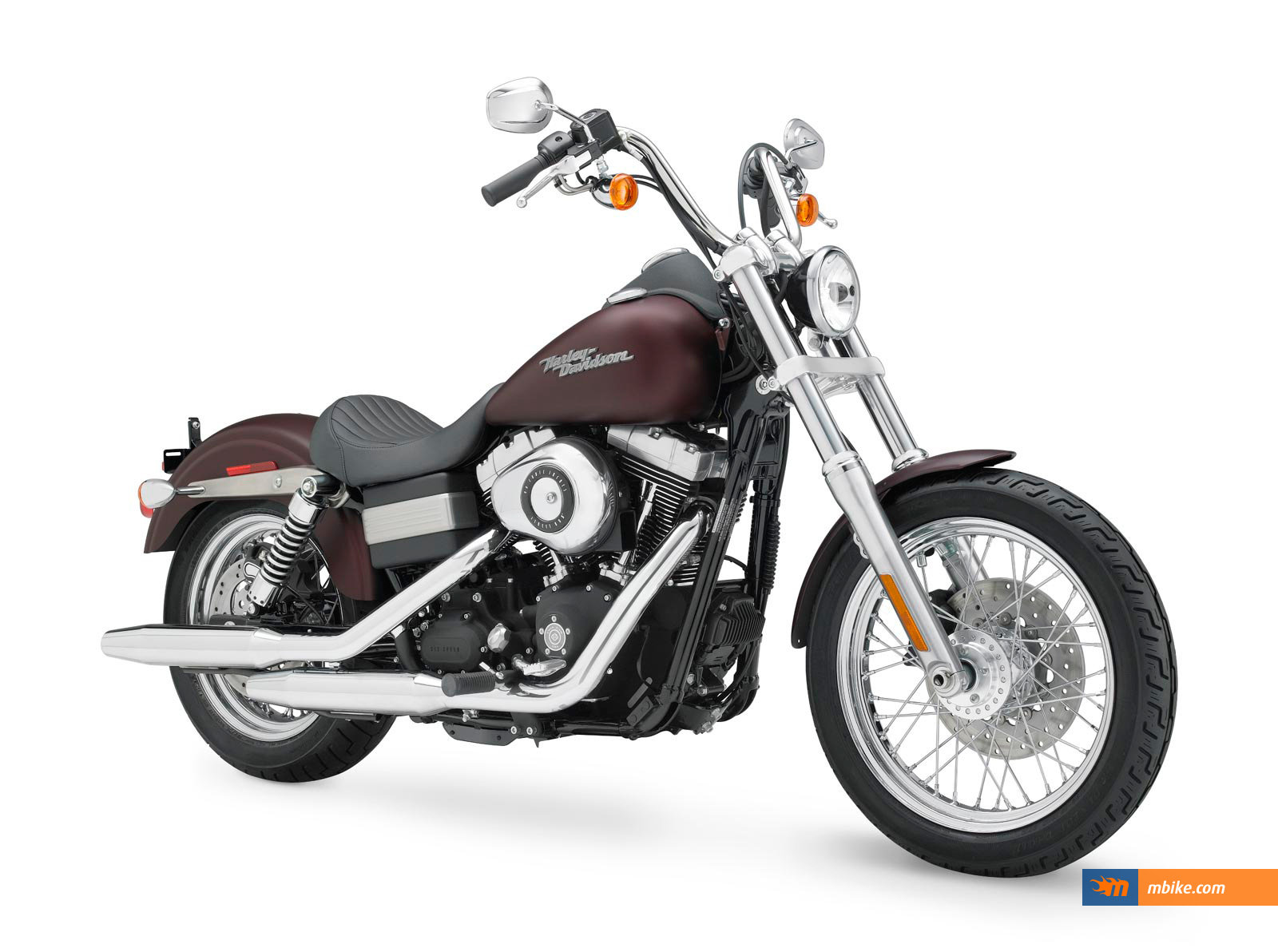
The Street Bob’s design philosophy is unapologetically Spartan; it is as if the motorcycle sheds the excesses of contemporary complexity to reveal the sinewy heart of motorcycling itself. With its compact silhouette, it conjures the image of a chiseled sculpture—bold lines and muscular contours fused seamlessly into a cohesive whole. Each curve and angle speaks the language of purpose, where fewer components mean fewer distractions, immersing the rider deeper in the visceral communion with machine and terrain alike.
At its core lies the renowned Twin Cam 96B engine, a powerhouse that resonates like a thunderclap in the quiet morning air. Its 96 cubic inches of displacement aren’t just numbers—they are the pulse that animates the Street Bob’s rebellious spirit. The engine’s V-twin configuration generates a distinctive rumble, a sonorous voice that commands attention without cacophony. This mechanical heartbeat creates an enduring bond, a steady rhythm synonymous with authenticity and raw power.
The chassis reflects a fine balance between agility and stability. The Dyna frame’s twin shocks imbue the ride with a crispness that belies its bulky appearance, allowing for nimble maneuvering through urban labyrinths or serene country byways. The minimalist approach to suspension doesn’t sacrifice comfort, but rather enhances the immediacy of the riding experience—each imperfection in the road surface becomes a note in the symphony of the journey, connecting rider to earth with unfiltered clarity.
One of the most striking features is the stripped-down handlebar configuration, which forgoes grandeur for functionality. The tall, ape-hanger handlebars not only bestow an iconic stance that harks back to outlaw motorcycle clubs of yore but also promote a commanding posture. This ergonomic choice enhances control and maximizes rider engagement, making every twist of the throttle a deliberate act of defiance against conventional norms. Here, the Street Bob doesn’t just move; it asserts presence.
Further accentuating its ascetic aesthetic, the Street Bob omits a front fender, a daring design decision laden with symbolic weight. This absence invites dust, wind, and weather to become active participants in each ride, fostering a visceral connection to the environment. The unshielded front wheel spins like the beckoning eye of a hunter, ready to chase horizons that stretch infinitely. In this gesture, minimalism transcends mere style—it becomes an ethos, a rallying cry for the purist spirit.
The motorcycle’s paint scheme and finishes embrace an understated palette, often sported in matte or deep black hues that absorb light rather than reflect it. This choice evokes a sense of mystery and timelessness, as if the Street Bob is cloaked in shadows, stealthily stalking the asphalt. The absence of flamboyance doesn’t conceal character; instead, it magnifies the motorcycle’s rugged soul, allowing subtleties in texture and form to emerge — a tactile dialogue between shadow and steel.
Seating ergonomics further reinforce the minimalist manifesto. The solo seat nestles the rider snugly, creating a sense of unity and balance, reminiscent of a lone wolf’s perched watchfulness. It is neither plush nor indulgent—comfort is derived from the precise alignment of rider and machine rather than cushioning. This encourages an active riding style, where the body becomes an extension of the bike’s raw mechanics and unyielding spirit.
In embracing such stripped-back design, the Street Bob simultaneously pays homage to Harley-Davidson’s heritage and projects a contemporary sensibility. It is a fascinating paradox: a motorcycle steeped in history yet refreshingly modern, a relic and a revolution entwined. This duality captures the attention of both seasoned aficionados and new enthusiasts, bridging generational gaps through a shared appreciation for authenticity.
The mechanical simplicity also lends itself to customization, an open invitation for riders to imprint their identities upon this skeletal frame. The Street Bob serves as a blank canvas for personal expression, where aftermarket parts, paint jobs, and bespoke accessories transform the motorcycle from factory spec to singular entity. This intrinsic adaptability reinforces the allure of the Dyna Street Bob; it is a shape-shifter, capable of echoing countless individual tales spun along the highways and backroads.
Its understated presence on the road belies the depth of emotion it kindles. The 2008 Harley Street Bob is not about spectacle; it is about substance. It is the whispered promise of adventure and the roar of self-reliance. Like a whispered legend passed between kindred spirits, it captures the wild heart of motorcycling in pure form. This is not a motorcycle that demands attention loudly. Rather, it commands respect quietly and profoundly—its minimalist ethos a bold statement in an era drowning in digital excess.
In the grand theater of motorcycles, the 2008 Harley-Davidson FXDB Dyna Street Bob plays the role of the stoic anti-hero—unadorned, unapologetic, and utterly compelling. It strips away the superfluous until only the elemental remains, a refined embodiment of freedom’s raw essence. It invites riders not just to travel, but to engage—to become co-creators in the unfolding narrative between man, machine, and the endless ribbon of road.