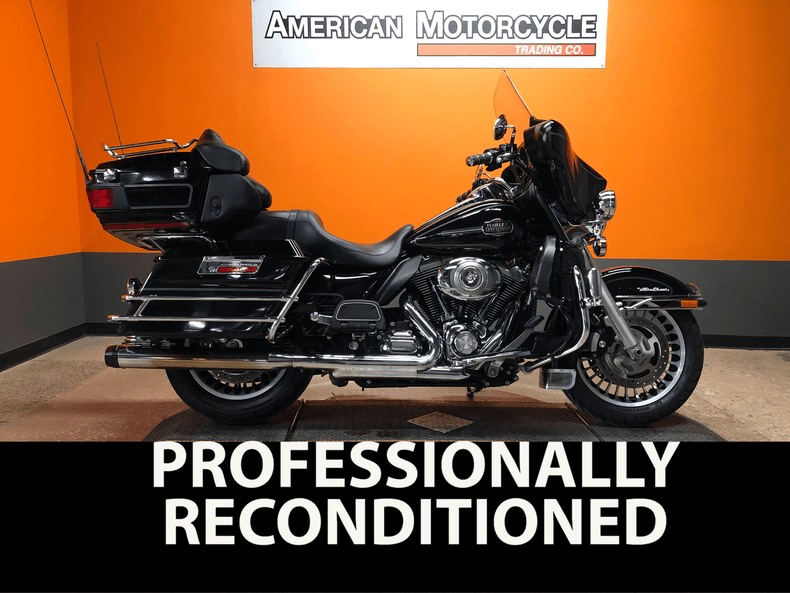
When enthusiasts compare the 2010 Harley-Davidson Ultra Classic and the Ultra Limited, the discussion transcends mere specifications and enters the realm of heritage, emotional connection, and the intricate balance between tradition and innovation. These two models, both icons of touring motorcycles, embody the essence of Harley-Davidson’s commitment to comfort, power, and the unparalleled allure of the open road. Yet, beneath their shared gloss and imposing presence lies a subtle divergence that addresses the nuanced preferences of riders—a divergence that merits an analytical yet appreciative exploration.
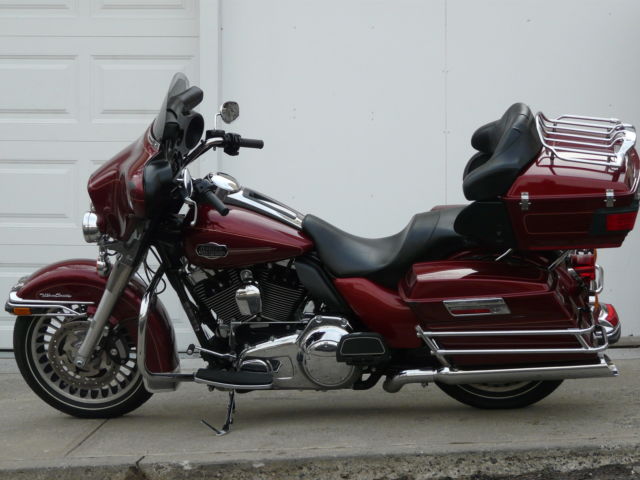
The Ultra Classic, with its legacy firmly rooted in the early 2000s iterations of Harley touring motorcycles, remains a beloved choice for riders who appreciate a blend of nostalgic design elements with reliable performance. Sporting a robust Twin Cam 96B engine, it delivers a steady 96 cubic inches of raw power, characterized by a smooth torque curve that excels at long-distance cruising. The aesthetic cues—like the evocative batwing fairing and the expansive saddlebags with classic chrome trim—speak to a time when Harley-Davidson perfected the touring silhouette without overcomplicating its mechanics.
In contrast, the Ultra Limited, introduced as part of Harley’s evolution into the next generation of touring motorcycles, offers a refined and technologically enriched experience. While powered by the same displacement engine in the 2010 model year, the Ultra Limited distinguished itself with an upgraded infotainment system, enhanced craftsmanship in materials, and subtle ergonomic adjustments. It features Harley’s Boom! Box audio system, a leap forward in entertainment for its time, placing it on the vanguard of connectivity and auditory pleasure while on the road.
One cannot discuss these motorcycles without addressing their inherent ability to inspire fascination—a phenomenon deeply tied to the cultural mythology surrounding Harley-Davidson. The Ultra Classic invokes a classic aura, a sense of continuity that connects riders to decades of American motorcycling history. Its styling serves as a bridge between eras, conjuring images of long, sun-soaked highway stretches where camaraderie and mechanical trust reign supreme. The Ultra Limited, meanwhile, embodies progress without forsaking tradition. It appeals to those who desire the intrinsic Harley spirit yet seek modern conveniences and a more polished ride experience. This subtle evolution in rider experience exemplifies how Harley-Davidson simultaneously honors and transcends its own iconic legacy.
Comparatively, the Ultra Classic feels more raw, visceral, and analog—qualities that many purists find endlessly appealing. The tactile feedback from its suspension and the traditional mechanical layout create an unfiltered connection between rider and machine. Meanwhile, the Ultra Limited’s improvements render it a smoother, quieter, and more luxurious companion. With cruise control, enhanced suspension, and improved ergonomics, it transforms long-distance travel into a profoundly comfortable endeavor. This dichotomy reflects the wider tension within motorcycling culture between those who cherish tradition and those who embrace technological sophistication.
Looking deeper, the Ultra Classic’s enduring charm partly stems from its relative mechanical simplicity. Though eminently capable, it remains approachable for customization and straightforward maintenance—a feature warmly regarded by hobbyists and long-time Harley riders who enjoy personalizing their machines. The Ultra Limited, by incorporating additional electronic components and comfort-focused features, sacrifices some of that simplicity but compensates with superior convenience and a reduced fatigue factor on extended rides. Thus, the choice between the two is often a reflection not just of performance or styling, but of the rider’s philosophy towards motorcycling itself.
Furthermore, the motorcycles differ noticeably in handling and rider dynamics. The Ultra Classic, despite its large dimensions, maintains an engaging balance and ease of maneuverability, favored by those who enjoy spirited rides along twisty roads as much as highway cruising. The Ultra Limited, while equally capable, leans more toward stability and cushioning, emphasizing rider endurance over aggressive handling. The suspension tuning on the latter is slightly more sophisticated, with attention to damping and comfort, making it ideal for touring aficionados who cover vast distances with multiple passengers or heavy luggage.
Attention must also be paid to the seats and passenger accommodations. The Ultra Classic offers a plush, inviting dual seating arrangement augmented with touring amenities like backrests and passenger grips. For many riders, the experience of sharing the journey with a companion defines the true joy of owning such a motorcycle. However, the Ultra Limited raises the bar by integrating even more advanced passenger comfort features, including more contoured seats and refined ergonomics, designed to alleviate fatigue and enhance the social dimension of the ride. In this premium iteration, Harley-Davidson clearly acknowledges the evolving needs of a touring demography seeking both comfort and luxury in unison.
Interestingly, both models are painted with similar precision and finished with the iconic Harley-Davidson aesthetic flourish—chrome accents, deep paint hues, and meticulous attention to detail—that elevates them beyond mere motorcycles to rolling symbols of status and personal identity. The Ultra Classic’s timeless color schemes often evoke a sentimental attachment, while the Ultra Limited’s palette and subtle graphics hold a more contemporary allure, reflecting its role as a modern-day tourer.
In the final analysis, declaring a definitive “winner” between the 2010 Harley-Davidson Ultra Classic and Ultra Limited depends on the criteria of judgment. For riders captivated by a purist, raw, and historically resonant motorcycling experience, the Ultra Classic’s blend of vintage charm and reliable power remains nearly impossible to surpass. Conversely, those prioritizing cutting-edge amenities, enhanced ride comfort, and a more polished technological interface will find the Ultra Limited thoroughly compelling.
What ultimately makes this comparison fascinating is how it encapsulates the broader dialogue within Harley-Davidson’s identity—between honoring its storied past and embracing the relentless pursuit of innovation. Both motorcycles are not just vehicles; they are manifestations of a deeper cultural passion that sustains Harley-Davidson’s mystique and rider loyalty. Whether one chooses the Ultra Classic’s endearing ruggedness or the Ultra Limited’s sophisticated elegance, the experience is guaranteed to leave an indelible impression on those who wander the highways and byways with purpose and reverence.