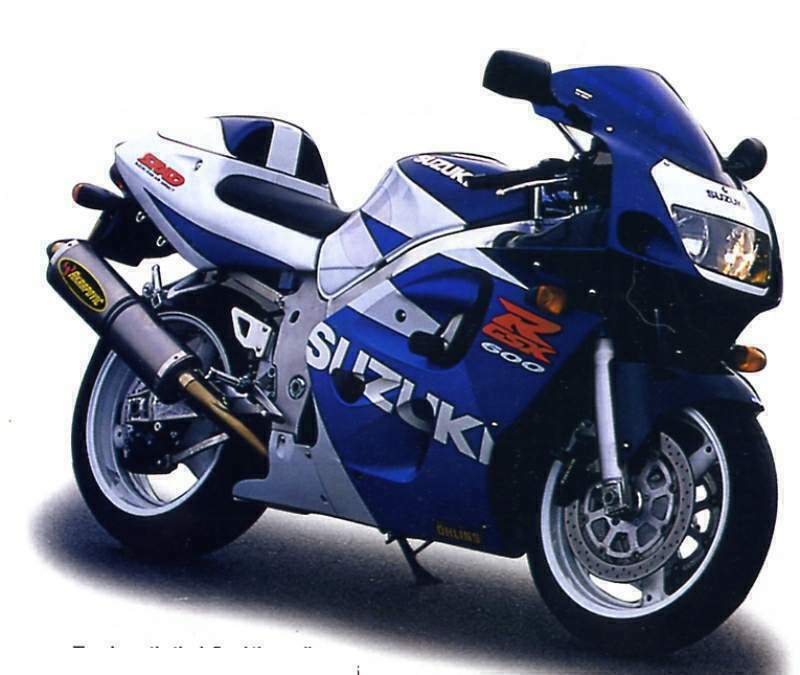
The late 1990s was a pivotal era for Suzuki’s sportbike lineup, particularly when it comes to the revered GSX-R series. Among the icons competing fiercely for supremacy were the 1998–1999 Suzuki GSX-R750 and the GSX-R600. Both motorcycles were emblematic of technological prowess and engineering finesse, providing riders with apex performance and thrilling responsiveness on the road and track alike. However, the question that has tantalized enthusiasts is this: Which model best embodies the quintessence of an all-around superbike? By dissecting their engineering nuances, handling characteristics, performance benchmarks, and rider experience, a clearer verdict emerges, illuminating the definitive choice for a variety of motorcycle aficionados.
To commence, it’s imperative to analyze the core mechanical architecture that differentiates these two machines. The GSX-R750, with its displacement of 750cc, capitalizes on the innate power-band versatility embedded within its inline-four engine. This power unit was designed to offer a balanced mélange of torque and horsepower, making it a formidable contender on both street corners and racetracks. Conversely, the GSX-R600, boasting a 600cc engine, is the epitome of lightweight agility and high-revving excitement. It appeals to riders seeking razor-sharp precision and blistering acceleration within a more compact chassis. These foundational disparities set the stage for an exploration of how each model addresses specific rider demands.
Performance metrics are often the linchpin in any comparative analysis. The 1998–1999 GSX-R750 delivers an approximate 110 horsepower, harnessing a slightly more substantial midrange push that enables overtaking and highway stability. Its engine configuration’s torque curve is notably broad, which translates to less frequent gear shifting and a smoother power delivery under varied riding conditions. In contrast, the GSX-R600 emphasizes peak horsepower over torque, with figures reaching close to 100 hp at much higher RPMs. This high-strung engine requires a more engaged riding style, demanding frequent gear changes to maintain the engine within its optimal rev-range. Enthusiasts who cherish a breathless, aggressive riding experience are naturally drawn to the spirited nature of the GSX-R600’s musculature.
Beyond raw power, the dynamic handling of both models deserves particular attention. The GSX-R750 incorporates a slightly heavier frame, engineered to imbue stability at elevated speeds without sacrificing its nimble demeanor. Its chassis design employs a twin-spar aluminum frame that boasts commendable torsional rigidity, ensuring precise cornering response. Suspension components include fully adjustable forks and a monoshock rear, providing the rider with ample tuning options to cater to track or street environments. The 1998–1999 GSX-R600, lighter by a noticeable margin, excels in agility, making it an absolute delight in twisty backroads and technical circuits. Its chassis setup mirrors that of the 750 but is optimized for reduced mass, enhancing maneuverability and quick directional changes, attributes highly prized by riders who seek the thrill of razor-edge cornering.
When contemplating usability and comfort, the two models exhibit subtle yet consequential divergences. The GSX-R750’s ergonomics are sculpted to offer a modicum of comfort for longer rides, with slightly higher seat height and a less aggressive riding posture than its smaller sibling. This renders it somewhat more adaptable to extended daily commutes or spirited weekend excursions. Meanwhile, the GSX-R600, true to its supersport classification, champions a more aggressive stance. The lower handlebars and rearset footpegs encourage a racing-style tuck, perfect for aerodynamics but less forgiving during prolonged rides. This distinction highlights the intended market segmentation: the GSX-R750 as a versatile all-rounder, and the GSX-R600 as a dedicated sports bike for keen performance seekers.
The technological implementations in both models are worth noting. Suzuki employed advanced features such as ram air induction systems and multi-stage fuel injection during this generation, which augmented throttle response and fuel efficiency. Both motorcycles benefited from these improvements, albeit tuned differently to suit their unique performance envelopes. The GSX-R750 leveraged these technologies to bolster midrange power without sacrificing road manners, while the GSX-R600 pushed them to maximize peak horsepower and quick throttle transitions. Additionally, braking systems featured dual discs up front with multi-piston calipers, providing formidable stopping power essential in high-performance scenarios.
Customization and aftermarket support also play pivotal roles in choosing between these two. The GSX-R600, given its proliferation in amateur racing circuits and track days, enjoys a vast ecosystem of racing aftermarket components ranging from upgraded suspension kits to aerodynamic fairings. This extensive support network makes it a flexible platform for riders wishing to tailor their machine for specific disciplines. The GSX-R750, while robust in aftermarket resources, caters more to riders valuing a balance of street comfort and performance potential, leading to modifications often aimed at enhancing touring comfort and overall usability rather than outright track dominance.
Cost considerations often influence decisions in this stratum of superbikes. Historically, the GSX-R750 commanded a slightly higher price point due to its larger displacement and broader applicability. Maintenance expenses align with this as well, since the 750’s engine components tend to involve higher upkeep costs stemming from their complexity and power output. Meanwhile, the GSX-R600, with its smaller engine and lighter framework, generally requires less intensive servicing, rendering it a more economical entry point into the sportbike domain without sacrificing the adrenaline-pumping experience.
Yet, beyond the tangible facets of power, handling, and practicality, one must contemplate the intangible: the emotional resonance each bike imparts. The GSX-R750 exudes an aura of commanding presence—its thundering four-cylinder engine offering reassuring authority and adaptability across conditions. The GSX-R600, however, delivers an intoxicating dose of immediacy and razor-sharp responsiveness that incites a more visceral connection between rider and machine. It is this juxtaposition that underpins much of the debate among aficionados, each model catering to distinctly flavored appreciations of sportbike culture.
In conclusion, the decision between the 1998–1999 Suzuki GSX-R750 and the GSX-R600 ultimately hinges upon the rider’s intended purpose and stylistic preference. The GSX-R750 champions a more versatile persona, combining ample power, substantial midrange torque, and tolerable ergonomics suited for a broader range of scenarios. It excels for those desiring a superbike capable of both street and track endeavors with balanced proficiency. Conversely, the GSX-R600 emerges as the quintessential lightweight sport machine, applauded for its nimble handling, rev-happy engine character, and focused racing spirit. While it demands a more engaged riding style, it rewards with heightened thrills and a purist’s riding experience.
Each motorcycle holds its own unique appeal, making neither an unequivocal winner but rather a testament to Suzuki’s engineering mastery. Whether one prioritizes power versatility or concentrated agility, the 1998–1999 GSX-R750 and GSX-R600 remain paragons in their respective niches, standing as celebrated champions in the pantheon of iconic sportbikes.