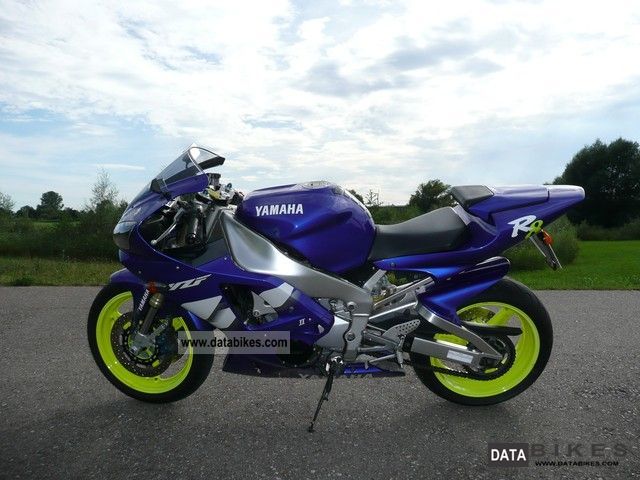
Is the 2000 Yamaha R1 still blisteringly fast by today’s standards, or has time relegated this iconic superbike to merely a nostalgic relic of past speed? In an era where manufacturers relentlessly push the boundaries of performance, the notion invites a playful yet probing challenge: can a two-decade-old machine keep pace with the contemporary cadre of hyperbikes? Let’s peel back the layers of this mechanical marvel and examine its top speed prowess—both in historical context and against modern benchmarks.
When the Yamaha YZF-R1 debuted in 1998, it shook the motorcycling world with an unprecedented fusion of lightweight chassis and visceral power output. By the year 2000, the R1 had already been honed to near-perfection, boasting a blend of technological advancements and raw performance that placed it among the fastest motorcycles of its era. The 1998-2000 R1 featured a 998cc inline-four, crossplane-inspired engine that sprinted to a claimed top speed hovering just over 173 miles per hour. For the dawn of the new millennium, that was a staggering velocity capable of thrilling experienced riders and intimidating novices alike.
Delving deeper, the 2000 Yamaha R1’s engine was a marvel of engineering. It utilized a five-valve-per-cylinder configuration, a design aimed at optimizing airflow and combustion efficiency. This advanced breathing mechanism granted the R1 a horsepower output that was formidable for its displacement category—hovering around 150 horses at its peak. The bike’s lightweight frame, tipping the scales at approximately 423 pounds (192 kilograms) dry, allowed the motor’s thrust to translate into blistering on-road acceleration and top-end speed. Its aerodynamics, sculpted to cut into the wind with minimal drag, further augmented its velocity potential.
But what exactly defines “top speed” in this context? For the 2000 Yamaha R1, top speed is not simply about raw straight-line velocity; it also encompasses how the bike’s design and mechanics reconcile speed with control and rider confidence. The R1’s chassis geometry and suspension setup from that era emphasized stability at high velocities, enabling a rider to push the limits without succumbing to dangerous instability or excessive wind buffeting. The bike’s slipper clutch and advanced carburetion technology—which predated widespread fuel injection—offered an eager throttle response that contributed to thrilling speed runs and elevated the overall riding experience.
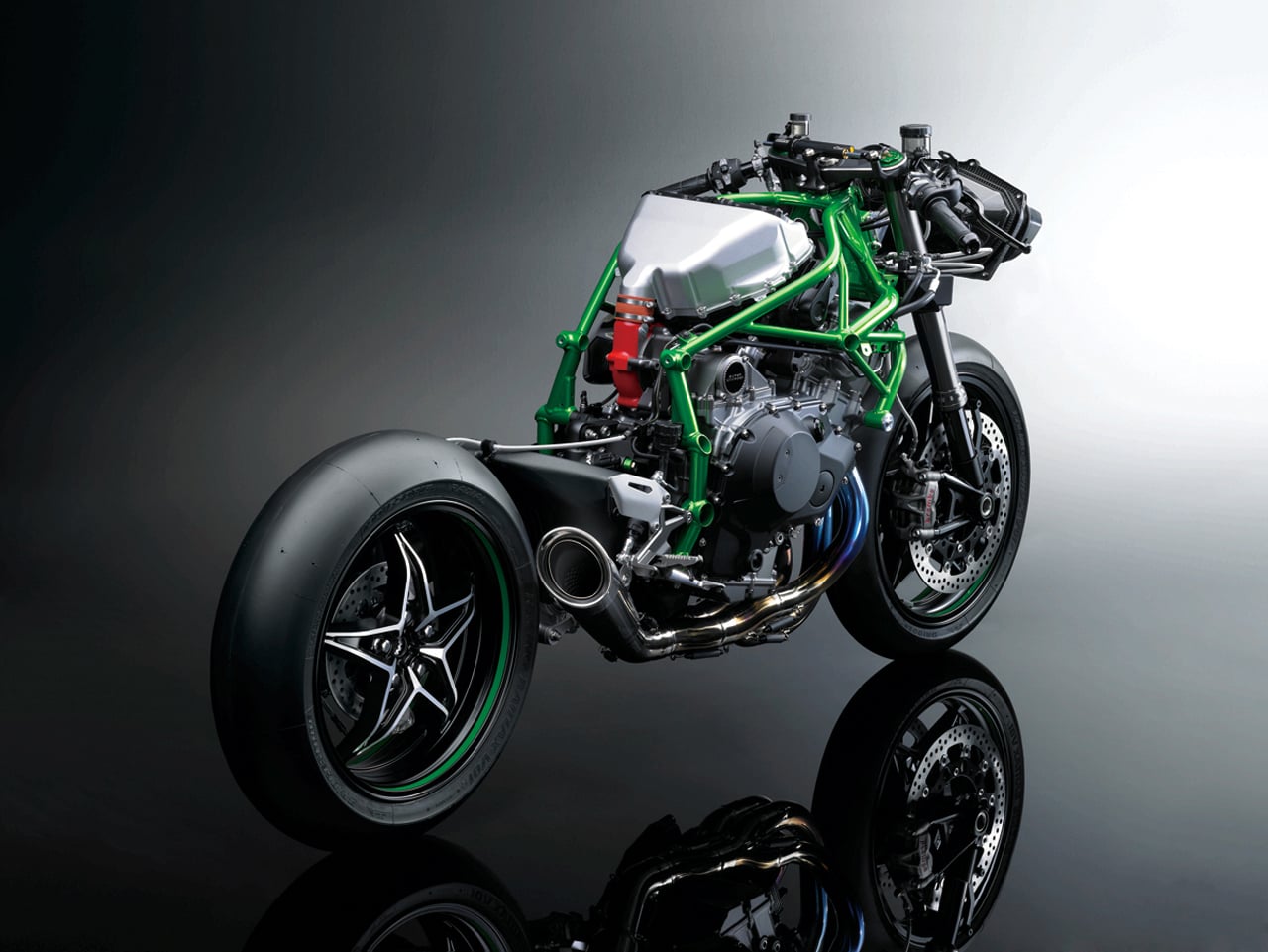
Fast forward to the present day, and the landscape of motorcycle speed has dramatically evolved. Modern superbikes frequently exceed 180 miles per hour, flirting with the 200 mph barrier thanks to electronical refinement and engine optimization. Bikes such as the Kawasaki Ninja H2 or the Ducati Panigale V4 have ushered in an era of astonishing speed and technological sophistication, featuring traction control, ride modes, electronic suspensions, and aerodynamic fairings inspired by MotoGP. It may therefore seem, at first glance, that the 2000 Yamaha R1’s top speed is modest by comparison.
Yet, such a comparison risks overlooking the elemental essence of what makes the 2000 R1 a timeless speed icon. The simplicity of this machine, devoid of overbearing electronics and reliant on mechanical harmony, offers a purist’s engagement with velocity. Its top speed, though numerically eclipsed by modern machines, retains a classic sense of raw, unfiltered power. For riders who relish the mechanical symphony of a throttle-responsive engine and the feedback through the handlebars, the 2000 R1’s speed still resonates as genuinely thrilling.
Moreover, the R1’s acceleration capabilities continue to command respect. The bike’s power-to-weight ratio allows it to reach highway-legal top speeds with ease and maintain an exhilarating pace through twisty backroads where outright numbers are less critical than responsiveness and handling precision. In practical terms, the Yamaha YZF-R1’s performance envelope is perfectly adequate for spirited rides and even competitive use in certain vintage racing circuits.
Additionally, the top speed figures recorded in the early 2000s often reflect conditions that are less standardized than today. Back then, top speed runs took place on open stretches or racetracks with varying atmospheric conditions. Today, with strict testing protocols, there is a more scientific approach to recording top speed. When placed under such scrutiny, the 2000 R1’s numbers hold firm, attesting to its engineering excellence that has withstood the test of time.
Another facet worth exploring is the cultural and mechanical impact the 2000 Yamaha R1 had on the motorcycle industry. Its advent triggered a paradigm shift toward lightweight, high-revving inline-four superbikes with agile dynamics—a philosophy that shapes superbike design to this day. The R1’s approach challenged the previous generation of heavy, bulky sportbikes and propelled Yamaha into the frontline position as a manufacturer of serious track and street performance machines.
Of course, the question of “Is it still fast today?” does also invite a reflection on the rider’s own experience and expectations. A contemporary rider accustomed to semi-active electronics and titanic braking may find the 2000 R1’s raw mechanical feedback both challenging and invigorating. It demands precise throttle control, clutch mastery, and a measured courage to harness its full potential. In that sense, the R1’s top speed is as much about the human element—the rider’s skill and bravery—as about the raw numbers on the speedometer.
In closing, the 2000 Yamaha R1 remains a formidable expression of superbike speed more than twenty years after its introduction. It stands not only as a benchmark of Yamaha’s engineering prowess at the turn of the century but also as a compelling counterpoint to the hyper-sophisticated machines that dominate today’s market. While the digital age has ushered in motorcycles capable of higher top speeds and advanced rider aids, the R1’s combination of power, poise, and mechanical purity continues to inspire respect and exhilaration. So, does its top speed still impress? Absolutely. Does it still challenge modern superbikes? Perhaps in spirit more than outright velocity—but therein lies a charm that few contemporary machines can replicate.