When exploring the realm of classic American motorcycles, the 2001 Dyna series from Harley-Davidson invariably emerges as a subject of both admiration and spirited debate. Among these, the Dyna Super Glide and Wide Glide models stand out prominently, each possessing its own distinct personality and appeal. Enthusiasts often find themselves pondering which of the two represents the superior ride, igniting discussions that traverse beyond mere specifications and delve into the very essence of rider experience and design philosophy.
At first glance, the divergence between the 2001 Dyna Super Glide and Wide Glide might seem superficial—subtle nuances in frame geometry or stylistic flourishes. Yet, these differences reveal a deeper narrative about the evolution of Harley-Davidson’s approach to the cruiser motorcycle segment. Both models are embedded within the fabric of Harley’s storied lineage, affirming the brand’s commitment to craftsmanship, power, and individual expression. It is within these subtleties that the enigmatic allure of each motorcycle is truly found.
The 2001 Dyna Super Glide presents itself as a synthesis of tradition and versatility. Its design philosophy leans toward a balanced, restrained aesthetic that nods respectfully to Harley’s historical roots while embracing modern refinements. The Super Glide boasts a frame that is neither too raked nor too compact, delivering unmistakable agility and responsiveness. This equilibrium lends itself to riders seeking an accommodating machine—one adaptable to both the urban sprawl and scenic highway cruising. The suspension setup, ergonomics, and power delivery speak volumes about what Harley intended this bike to be: a practical yet spirited cruiser, blending ease of handling with that undeniable V-twin growl.
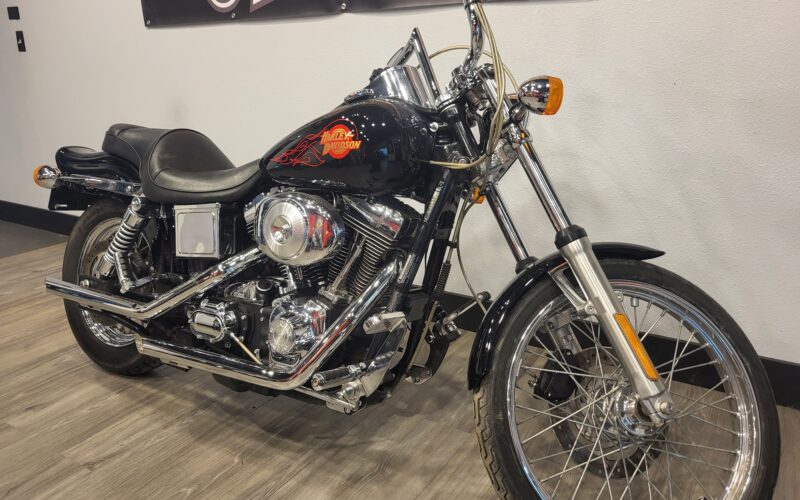
In contrast, the 2001 Dyna Wide Glide epitomizes audacity and flair. Its defining feature is the pronounced rake angle, which elongates the front end and imparts a commanding street presence. This design choice transcends aesthetics; it also influences the handling characteristics, favoring stability at speed and an assertive posture that makes a bold statement on the road. The Wide Glide’s wide handlebars further augment rider control, offering a commanding grip that enhances maneuverability despite the bike’s larger visual footprint. This model captures the imagination of those who prioritize individuality as much as performance, embracing the rebellious spirit ingrained in Harley-Davidson’s DNA.
Comparing engine performances, both models are equipped with Harley’s Twin Cam 88 V-twin engine known for its distinctive rumble and torque-rich power delivery. However, the Super Glide’s tuning often feels marginally more mellow, emphasizing smoothness and everyday rideability. The Wide Glide, conversely, administers its power with a slightly more aggressive character, matched by its assertive stance and rider’s position. This subtle disparity can cater to different personalities—one favoring refined control, the other yearning for visceral thrill.
It is imperative to recognize how rider ergonomics and posture play pivotal roles in differentiating these two machines. The Super Glide encourages a relatively upright position, which alleviates fatigue during long rides, enhancing comfort without sacrificing control. Its footpegs sit in a neutral position, blending ease of reach with dynamic responsiveness. Meanwhile, the Wide Glide’s stretched front forks and wider bars prompt a more forward-leaning posture that might appeal to riders drawn to the cruiser’s traditional lean and swagger. This divergence in riding stance significantly impacts the way momentum is managed and the overall riding experience.
Storage and customization potential also distinguish these two models in more nuanced ways. The Super Glide’s classic silhouette invites a broad spectrum of aftermarket accessories, subtle enough to enhance performance or comfort without overpowering the bike’s inherent simplicity. The Wide Glide, with its distinctive rake and wider frame, tends to attract bolder modifications—from distinctive paint schemes and ape hanger handlebars to custom seats and exhaust systems—which allow riders to project their personalities fiercely on the open road.
Yet, beyond tangible specifications lies the profound attraction these motorcycles hold over enthusiasts. The fascination with the Dyna Super Glide versus the Wide Glide cannot be reduced to features alone; it embodies the interplay between freedom and identity. Both models conjure not just transportation but an expression of ethos—a dialogue between rider and machine that captures the spirit of Americana and the open-road mythos. The timeless rumble of the Twin Cam engine, the feel of the road beneath two wheels, and the aura each bike exudes create an emotional resonance that transcends the physical.
Furthermore, the cultural significance of the Dyna lineup imbues the debate with layers of nostalgia and regional preference. Riders who favor precision and adaptability might gravitate toward the Super Glide’s understated charisma. In contrast, those enamored with the showmanship and stylistic bravado of motorcycling culture often champion the Wide Glide’s flamboyant disposition. This dichotomy underscores a broader conversation about individual values within the motorcycling community—between pragmatism and panache, function and form, subtlety and spectacle.
In conclusion, discerning which motorcycle between the 2001 Dyna Super Glide and Wide Glide is “better” depends largely on subjective criteria intertwined with personal riding style, aesthetic preference, and emotional connection. The Super Glide shines as an exemplar of balanced craftsmanship, offering riders a versatile, approachable cruiser with timeless appeal. Meanwhile, the Wide Glide captivates those drawn to its daring design and commanding presence, delivering an experience steeped in boldness and attitude.
Ultimately, the true marvel lies in the coexistence of these two iconic machines within the Harley-Davidson family—a testament to the brand’s ability to cater to a diverse riding populace. The allure they hold is not merely in performance metrics or design elements, but in their capacity to awaken a deeper passion for the journey itself. Those who have experienced either—whether navigating city streets or answering the whisper of the open highway—appreciate this nuance, understanding that the question of superiority is less about the motorcycle itself and more about the story each rider wishes to tell.