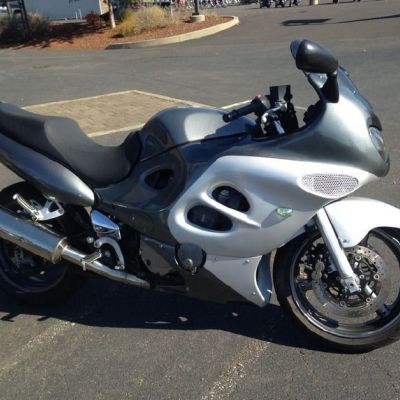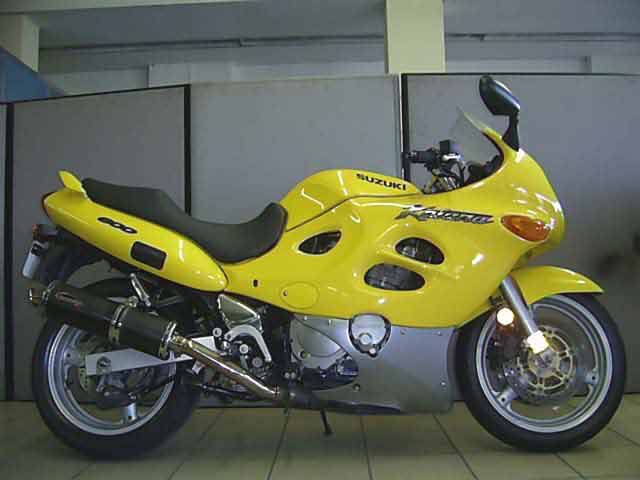
The Suzuki Katana series has long occupied a revered niche in the motorcycle community, emblematic of Japanese engineering excellence and a distinctively aggressive aesthetic that resonates with riders seeking both style and substance. Among the models that mark this lineage, the 2002 Suzuki Katana 600 and 750 have often been pitted against each other in spirited debates. Enthusiasts frequently voice a common observation: the 600, often overshadowed by its larger sibling, is surprisingly effective and arguably “better than you think.” This sentiment invites a deeper exploration into what truly differentiates these two machines beyond mere displacement figures and raw horsepower.
At first glance, the disparity between the 600cc and 750cc models might appear straightforward. Conventional wisdom suggests that the larger engine invariably delivers a superior riding experience—more power, better top-end performance, and enhanced versatility on highways and twisty roads alike. However, the allure of the 2002 Suzuki Katana 600 extends beyond these surface-level assumptions. The 600cc variant’s nimble frame, refined handling characteristics, and distinct powerband make it a compelling choice for riders who prioritize agility and finesse without compromising on spirited performance.
The 2002 Suzuki Katana 600 is powered by a liquid-cooled, 4-stroke, DOHC, 16-valve inline-four engine that generates a smooth yet potent output. Though it produces marginally less horsepower than the 750cc model, its lighter weight translates to a more immediate and responsive feel on the throttle. This results in a bike that feels more connected to the road and more compliant in rapid direction changes. For urban commuting and canyon carving, the 600’s lighter chassis and shorter wheelbase offer distinct advantages. Riders often cite an enhanced sense of control and confidence, attributes that can be lost amid the brute force of larger capacity motorcycles.
On the other hand, the 2002 Katana 750 embodies Suzuki’s sport-touring philosophy with a more robust engine and a slightly more substantial frame. The 750cc model’s powerplant delivers increased horsepower and torque, making it suited to situations demanding higher speeds and longer stretches at elevated RPMs. Its torque-rich nature offers effortless overtaking capabilities and a gruffer thrust that appeals to riders craving more aggressive acceleration. The suspension setup and chassis geometry, while designed for sporty responsiveness, also accommodate the added inertia from the larger engine and weight, maintaining balanced stability at greater velocities.
Yet, it is precisely this divergence in character that sparks intrigue. The common observation that the 600 is “better than you think” stems not from a narrow comparison of specifications but from the nuanced dynamics experienced in real-world conditions. The 600cc Katana defies expectations by demonstrating that power alone does not dictate the quality of the ride. Instead, a harmonious amalgamation of power delivery, frame dynamics, and ergonomics crafts an experience equally, if not more, gratifying for many riders.
Diving deeper, the design ethos of the Katana lineage underscores this duality. Both models share the unmistakable sharp-edged styling cues characteristic of the Katana brand—angular fairings, aggressive stance, and minimalist instrumentation. There is a distinct industrial beauty that captures the imagination, transcending mere utility. This connection between aesthetics and performance fuels a fascination that goes beyond engine size or output metrics. Owners and admirers often talk about an intangible “presence” the bike exudes, a machinic personality that invites exploration and engagement.
Ergonomically, the 600 offers a slightly more compact cockpit, which appeals to riders with a penchant for sportier, more tucked-in riding positions. This configuration not only reduces wind drag but also enhances the rider’s interaction with the machine. The feedback transmitted through the handlebars and seat imparts crucial information about road conditions and lean angles, enabling a more immersive experience. Conversely, the 750’s cockpit, while sport-oriented, provides a marginally more relaxed fit geared toward longer rides and touring comfort. This subtle difference encapsulates the trade-offs between the two models and why riders’ preferences often hinge on intended use.
Maintenance and running costs also contribute silently to the 600’s appeal. Historically, smaller displacement motorcycles can offer lower insurance premiums, better fuel economy, and reduced maintenance expenses. These practical considerations have a tangible impact on ownership satisfaction and expand the accessibility of a timeless design to a broader audience. Yet, this does not detract from the thrill one derives from piloting the bike; rather, it suggests that the Katana 600 manages to balance performance and pragmatism deftly.
It is equally important to acknowledge the contextual evolution of the sportbike segment around the early 2000s. Manufacturers were increasingly pushing boundaries in power delivery, suspension technology, and electronics. Suzuki’s Katana models, while rooted in retro-inspired design, embraced contemporary engineering solutions. The 600 and 750 both featured advanced fuel injection systems and refined chassis components that enhanced rideability and reliability. Consequently, these bikes stand as bridges between eras—melding nostalgic design with modern competence.
Another facet to consider is the cultural and emotional resonance the Katana nameplate carries. Originally renowned for disruptive aesthetics and innovative engineering in the 1980s, the continuation of the Katana series into the 2000s was greeted with a mixture of reverence and scrutiny. The 600 and 750 models embody the tension between heritage and innovation. For some enthusiasts, the 600’s less-is-more philosophy aligns with a purist ethos, embracing lightweight agility and rider involvement over raw displacement-based supremacy. For others, the 750’s fuller power spectrum represents a natural evolution, merging tradition with contemporary performance standards.
Ultimately, the debate between the 2002 Suzuki Katana 600 and 750 cannot be resolved by a unilateral judgment favoring one over the other. They occupy complementary positions within the Katana continuum—each offering a distinct interpretation of what sport-oriented motorcycling should be. The “better than you think” refrain associated with the 600 speaks to the subtle art of balance it achieves and the passionate connection it forges with riders who discover its virtues beyond the headline stats.
In summation, the 2002 Suzuki Katana 600 versus 750 comparison encapsulates more than just a technical rivalry; it reveals the layers of fascination that define motorcycling itself. It highlights how performance is multidimensional and how emotional engagement often transcends empirical data. Whether navigating tight city streets or enjoying an exhilarating backroad escape, both Katana variants deliver experiences that honor the legacy of the name while inviting riders to reflect on their preferences and priorities. Far from being simply a smaller sibling, the Katana 600 stands as a testament to the enduring value of eloquent design and finely honed engineering—a machine that is indeed better than you think.