In the ever-evolving world of motorcycles, some models surge to fame while others, despite their intrinsic worth and unique charm, fade into obscurity. The year 2001, nestled at the dawn of a new millennium, was rich with motorcycles that, at the time, seemed destined to be overshadowed by flashier successors and newer technology. Yet, today, these forgotten machines have begun to command a reverence previously unimagined, prompting enthusiasts and collectors alike to reconsider their value and significance. Exploring these overlooked gems from 2001 promises a profound shift in perspective—revealing that true value often lies beneath the surface, waiting patiently to be rediscovered.
At first glance, motorcycles from 2001 may appear antiquated, their technology and aesthetics eclipsed by contemporary marvels boasting high-tech electronics and cutting-edge materials. However, a deeper dive reveals that this era was a crucible of innovation and craftsmanship, blending analog purity with emerging digital sophistication. This blend created motorcycles with captivating character, ones that resonate not only through nostalgia but through sheer mechanical artistry.
Consider the Kawasaki Ninja ZX-12R, a daring performer unveiled at the turn of the century. While overshadowed by the sheer reputation of its iconic predecessors and successors, the ZX-12R was a bold declaration of speed and engineering prowess. At the time, it pushed limits with a top speed that flirted with the elusive 190 mph mark, all while maintaining a usable, rideable persona. Its value now lies in this rare combination: a liter-class beast that harmonized ferocity with street practicality—qualities often lost in contemporary hyper-powered motorcycles. Collectors today prize the ZX-12R for its role as the last frontier of analog superbikes before the encroachment of electronic aids.
Then there is the Ducati 998, a motorcycle often eclipsed in popular memory by its predecessor, the 996, and successor, the 999. Yet, the 998 marks a pivotal evolutionary point for Ducati. It refined the quintessential L-twin engine and started showcasing new design philosophies influenced by the legendary designer Pierre Terblanche. This nuanced shift struck a chord with enthusiasts who appreciate the marriage of mechanical soundness and aesthetic sophistication. While production numbers were modest, the Ducati 998’s legacy lies in its delicate balance of performance and style, a testimony to the brand’s commitment to ongoing refinement rather than mere reinvention. Its growing value mirrors an appreciation for design subtleties that once went unnoticed.
Meanwhile, Japanese marques offered several hidden paragons in 2001 that have quietly accrued value. The Suzuki TL1000R, for instance, was not celebrated widely in its heyday, often critiqued for handling quirks. However, its long-stroke V-twin was admired for robust torque delivery, making it a uniquely thrilling ride. Over the years, rider perceptions shifted, and the TL1000R began courting aficionados who value its rawness and potential as a platform for customization and performance tuning. Its rarity in well-preserved condition adds an aura of exclusivity, making it a coveted find in today’s classic sportbike market.
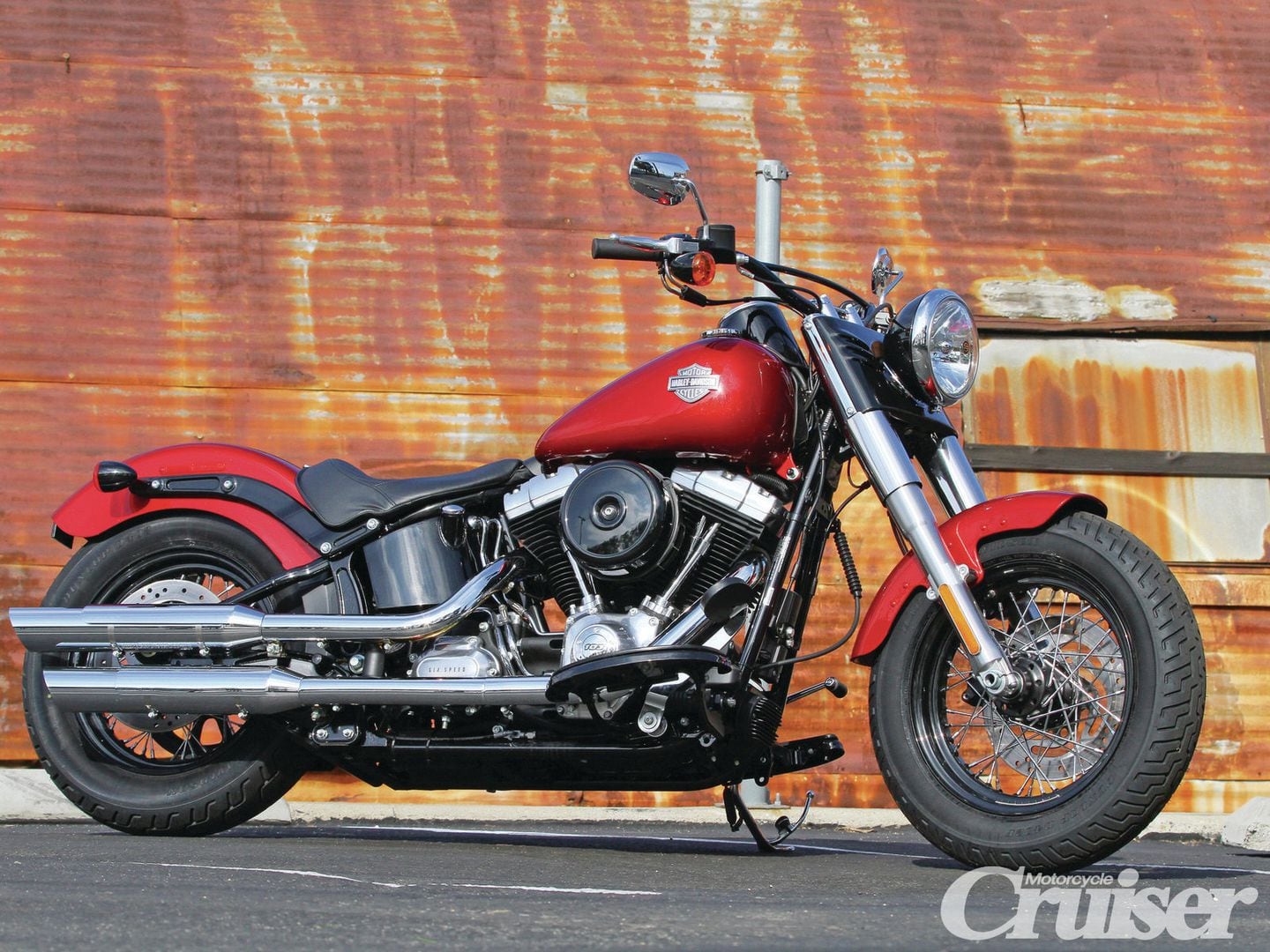
In the realm of cruisers, the 2001 Harley-Davidson V-Rod shattered conventions. Initially criticized for departing from traditional Harley styling and ethos, the V-Rod was born from a collaboration with Porsche engineers, boasting a liquid-cooled Revolution engine and a design language that hinted at muscle cars rather than classic American choppers. At the time, this divergence alienated purists, but as Harley-Davidson riders and collectors now seek diversity and technological innovation in their collections, the V-Rod’s value has soared. It symbolizes an important chapter where heritage met future-focused engineering, and as such, it commands respect and robust collector interest.
Not all deserving machines hail from well-known brands. Smaller manufacturers or niche models from 2001 also merit attention. For instance, the Buell Lightning XB9, often overshadowed by heavyweight competitors, was an ingenious exercise in mass centralization and innovative engineering. Its unconventional frame design and fuel-in-frame concept were avant-garde attempts to redefine motorcycle architecture. Though these ideas were initially met with skepticism, today’s enthusiasts recognize the Lightning XB9 as a cult classic, one that presaged many modern design philosophies. Its rising value reflects the shifting tastes of collectors who prize ingenuity and rarity.
Underlying the newfound value of these motorcycles is a broader cultural shift. Enthusiasm for vintage motorcycles is evolving beyond mere nostalgia or superficial aesthetics. Connoisseurs now seek machines narrating a story—motorcycles that encapsulate a moment in technological advancement, embody distinct design philosophies, or represent bold experiments that transformed the riding experience. 2001 motorcycles, once dismissed as transitional or uninspired, increasingly fit this narrative, offering authentic glimpses into a pivotal era of motorcycling history.
The resurgence also highlights an economic dynamic: scarcity and condition. Many of these models were produced in relatively limited numbers or have since dwindled in pristine condition, naturally elevating their market position. The hunt for well-maintained specimens adds an element of adventure to motorcycle collecting—one that rewards patience, perseverance, and discerning judgment. In this light, a forgotten motorcycle from 2001 is not merely an old ride; it is a potential treasure chest holding stories, performance, and artistry worthy of preservation.
Moreover, these motorcycles have inspired a growing community of enthusiasts dedicated to restoration and preservation. Their mechanical simplicity relative to more modern, electronically complex models presents an accessible entry point for riders who cherish hands-on engagement. This tactile relationship enhances appreciation and, subsequently, value. The tactile feel of analog controls, the sound of a naturally aspirated engine, the raw connection between rider and machine—these are intangibles that endow these motorcycles with a timeless allure.
In summary, motorcycles from 2001, once consigned to the margins of motorcycling lore, are now emerging as valuable treasures. They demand a reevaluation of what constitutes collectibility and value, emphasizing innovation, design evolution, and cultural significance rather than celebrity alone. For those willing to delve beneath the veil of obscurity, these machines offer not just rides, but revelations—stories and engineering feats waiting to be rediscovered and cherished in their rightful place within motorcycling heritage.