The 1990s marked a distinctive era in motorcycle manufacturing, a decade where engineering innovation met with bold design choices and a burgeoning culture of motorcycling enthusiasts. Today, these motorcycles, once affordable and accessible daily riders, are rapidly appreciating in value, captivating collectors and aficionados alike. The surge in demand for 90s motorcycles can be attributed to their unique blend of analog charm and the nascent digital technology that set the stage for modern motorcycling. From aggressive sportbikes to refined naked machines, the 90s offer a diverse palette of motorcycles now deemed investment-worthy classics.
One of the foremost draws of 1990s motorcycles is their mechanical purity. This was a period when manufacturers began integrating advanced features, yet the essence of raw, tactile riding remained unfiltered by excessive electronic aids. Riders from this era experienced a direct connection with their machines—no ride-by-wire throttles or traction control systems to mediate the feel between rider and tarmac. As a consequence, owning such motorcycles today is akin to reliving a purist’s dream, making them increasingly desirable.
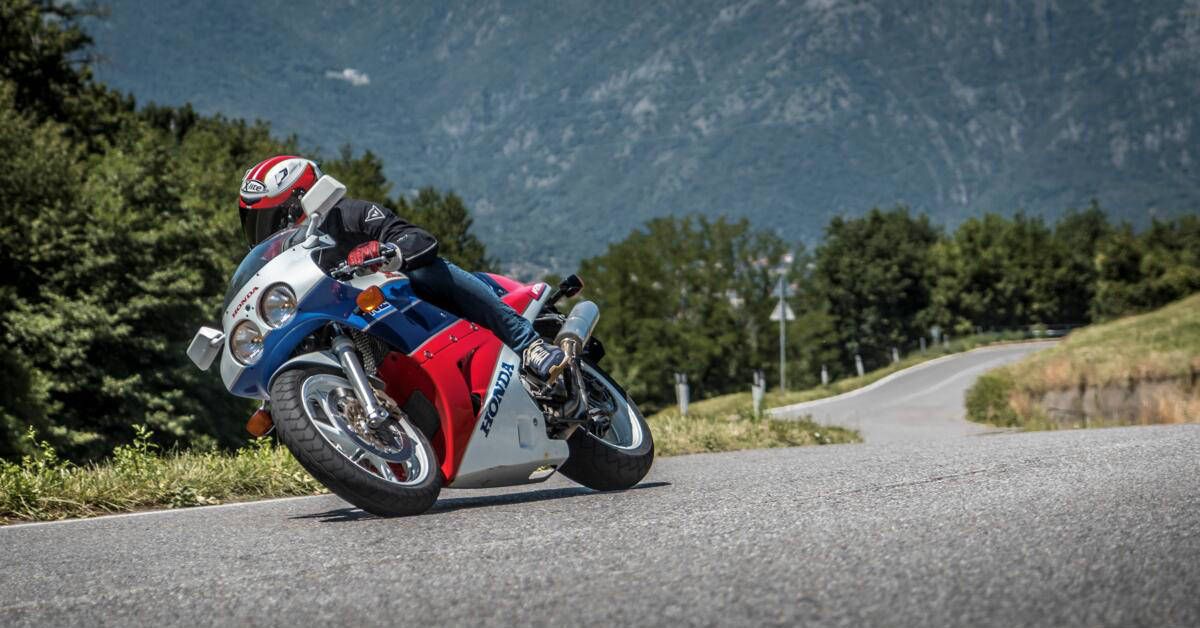
Popular models from this decade have undergone substantial market reevaluations recently. Machines like the Honda VFR750, notable for its V4 engine and innovative gear-driven cams, exemplify the blend of performance and engineering excellence that riders crave. Originally celebrated for its balance of power and handling, the VFR750 has become a collector’s gem, coveted for its reliability and timeless design. Its graceful curves and technical sophistication are emblematic of a golden age in sportbike evolution.
Alongside the VFR750, other iconic bikes such as the Yamaha FZR1000, Suzuki GSX-R750, and Kawasaki Ninja ZX-7R have drawn significant attention. Each offers distinct riding characteristics that harken back to a time when manufacturers engaged in spirited competition to craft the ultimate road-going race replicas. The Yamaha FZR1000, for instance, was hailed for its brute power and aerodynamic design, while the Suzuki GSX-R750 earned its legendary status thanks to a lightweight chassis paired with a peppy inline-four engine. Collectors and riders today seek these machines not only for nostalgia but for their exceptional riding dynamics that remain relevant decades later.
Beyond outright sportbikes, the 90s birthed a variety of other motorcycle categories that have appreciated substantially. Adventure and touring motorcycles, such as the BMW R1100GS and Honda Africa Twin, have attracted enthusiasts drawn to long-distance exploration combined with reliability. These motorcycles awakened a new spirit of overlanding and adventure touring, marrying rugged durability with technological advancements suitable for both on-road and off-road conditions. The evolving culture around these motorcycles has added layers of desirability, as more riders seek versatile machines that tell stories of journeys across continents.
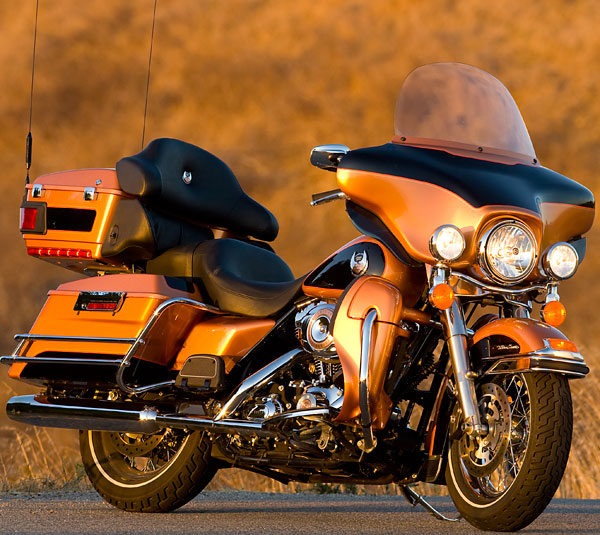
Classic cruisers and standard bikes from the 1990s are also enjoying a renaissance. Brands like Harley-Davidson and Triumph produced motorcycles in the 90s that appealed to those who favored relaxed, comfortable rides over outright speed. The value of these machines has climbed, fueled by a renewed interest in retro styling and laid-back motorcycling culture. Their timeless aesthetics and the emotional connection they foster have cemented their places as prized possessions for collectors.
Several factors contribute to the skyrocketing value of 90s motorcycles in today’s market. Primarily, scarcity plays a vital role. As years pass, well-preserved examples become increasingly rare. The attrition of motorcycles due to wear, accidents, and neglect means that pristine models with low mileage, original parts, and unblemished paintwork command premium prices. Meticulous maintenance records and genuine originality further amplify desirability, as collectors seek authenticity.
In addition, cultural factors drive interest. The 1990s was a time when motorcycle media, racing spectacles, and motorsport legends were front and center. Iconic riders, races, and moments from that decade infuse these motorcycles with a narrative that transcends mere machinery. Enthusiasts relish owning a piece of that history. As the generation who grew up riding or admiring these motorcycles reach their peak earning years, they often return to the bikes of their youth, creating a demand surge that propels prices upward.
The rise of social media communities and specialized forums has also bolstered interest. Enthusiasts exchange knowledge, restoration tips, and market insights, fostering a vibrant ecosystem of dedicated advocates for 90s motorcycles. This communal engagement fuels informed purchasing decisions and raises the profile of sought-after models, driving auction prices to new heights.
Investing in a 90s motorcycle requires prudent research and an understanding of market nuances. Condition remains paramount; buyers must be vigilant against hidden damage or non-original components that can drastically diminish value. Patience is rewarded when sourcing a motorcycle with proper documentation and originality intact. Moreover, preservation and respectful restoration, following original manufacturer specifications, are essential to maintain or increase value over time.
For those intrigued by the culture surrounding these motorcycles, there’s a wealth of content that offers detailed explorations into individual models, restoration guides, and riding experiences. Enthusiasts can expect to encounter thorough retrospectives of engineering milestones, deep dives into the evolution of motorcycle technology during the decade, and comparisons between contemporaneous rivals. Additionally, stories highlighting the community’s passion, events dedicated to classic motorcycle shows, and insights into market trends provide comprehensive perspectives on the multifaceted appeal of 90s motorcycles.
In conclusion, motorcycles from the 1990s have dramatically shifted from being utilitarian machines to coveted collector’s items, their rising value a testament to their enduring appeal. Engineered with a blend of emerging technology and old-school craftsmanship, these motorcycles offer an intoxicating blend of performance, style, and history. Whether through the sleek lines of a Honda VFR750 or the rugged promise of a BMW GS adventure bike, the 90s continue to resonate with riders and collectors worldwide. This era’s motorcycles are more than just vehicles; they are storied artifacts of a transformative decade, now soaring in stature and value in the modern era.