In the vast, sun-scorched plains of American motorcycle culture, two titans stand astride the chopper universe like colossi of steel and chrome—Exile Cycles and Orange County Choppers (OCC). These aren’t mere brands; they are living legends, each weaving their own mythos into the very fabric of the open road. One is the rebellious outlaw, forged in the crucible of underground customization, while the other is the polished showman, draped in the glamour of mainstream fame. To compare them is to pit the raw, unfiltered soul of the garage against the refined artistry of the workshop. It’s a clash of philosophies, aesthetics, and identities—where every bolt, every weld, tells a story.
The Birth of Legends: From Humble Garages to Global Icons
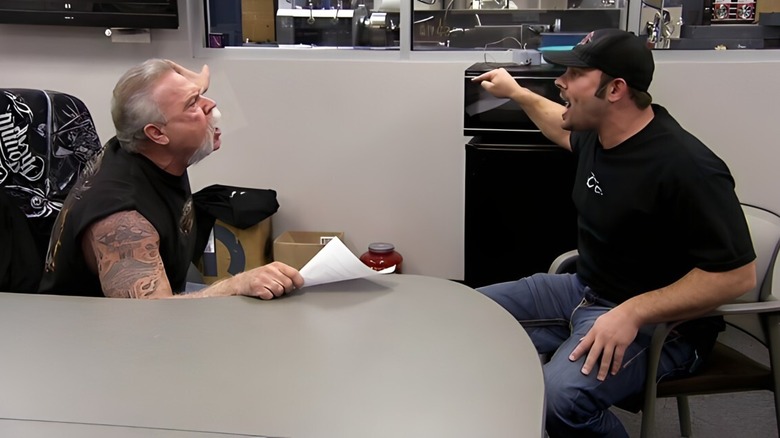
Exile Cycles emerged from the shadows of clandestine custom builds, a whisper in the wind of motorcycle purists who scoffed at mass production. Born in the late 20th century, it was the brainchild of builders who treated choppers not as machines, but as rebellious manifestos on two wheels. Their creations were raw, unapologetic—like a tattoo etched into steel, defiant and unrefined. Orange County Choppers, on the other hand, ascended from the glare of television spotlights, their fame as bright as a neon sign in a desert diner. Paul Teutul Sr. and his sons didn’t just build bikes; they built spectacles, turning every project into a narrative of family, craftsmanship, and spectacle. One thrived in obscurity; the other courted the spotlight. Yet both became beacons, guiding generations of riders toward their own definitions of what a chopper should be.
Design Philosophy: The Clash of Brutalism and Baroque
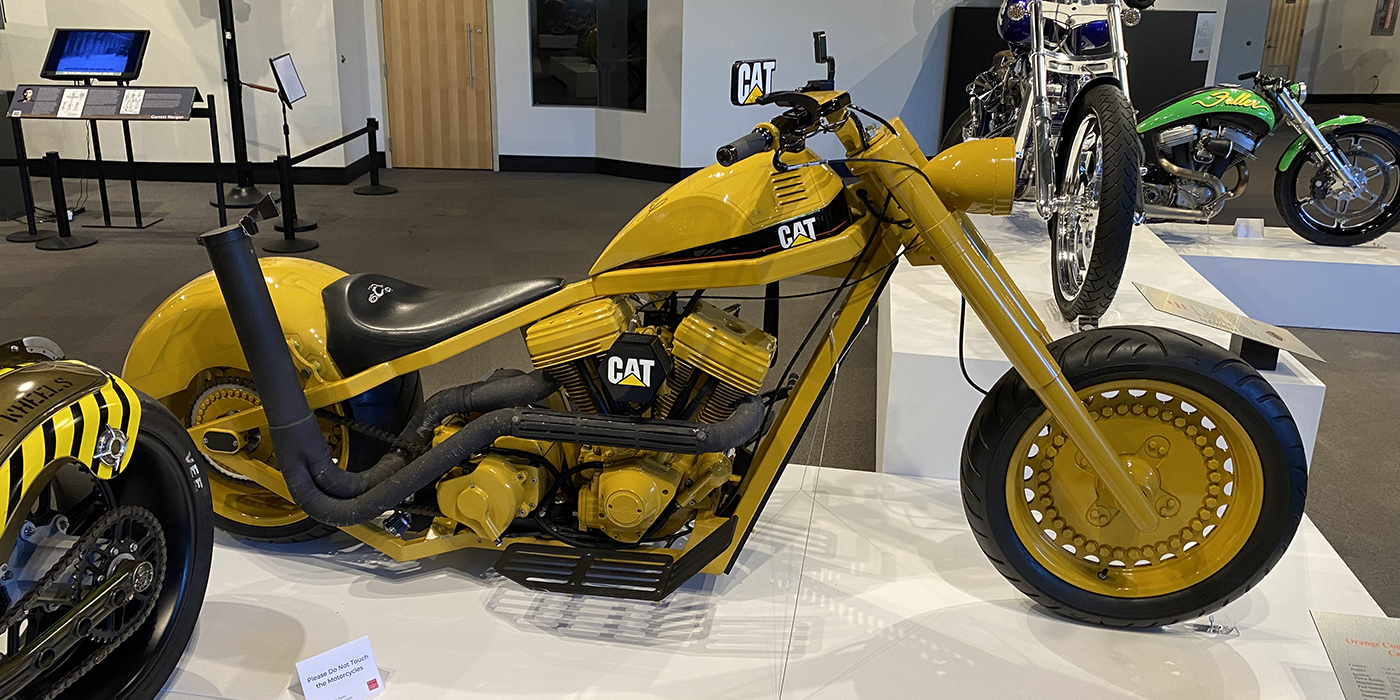
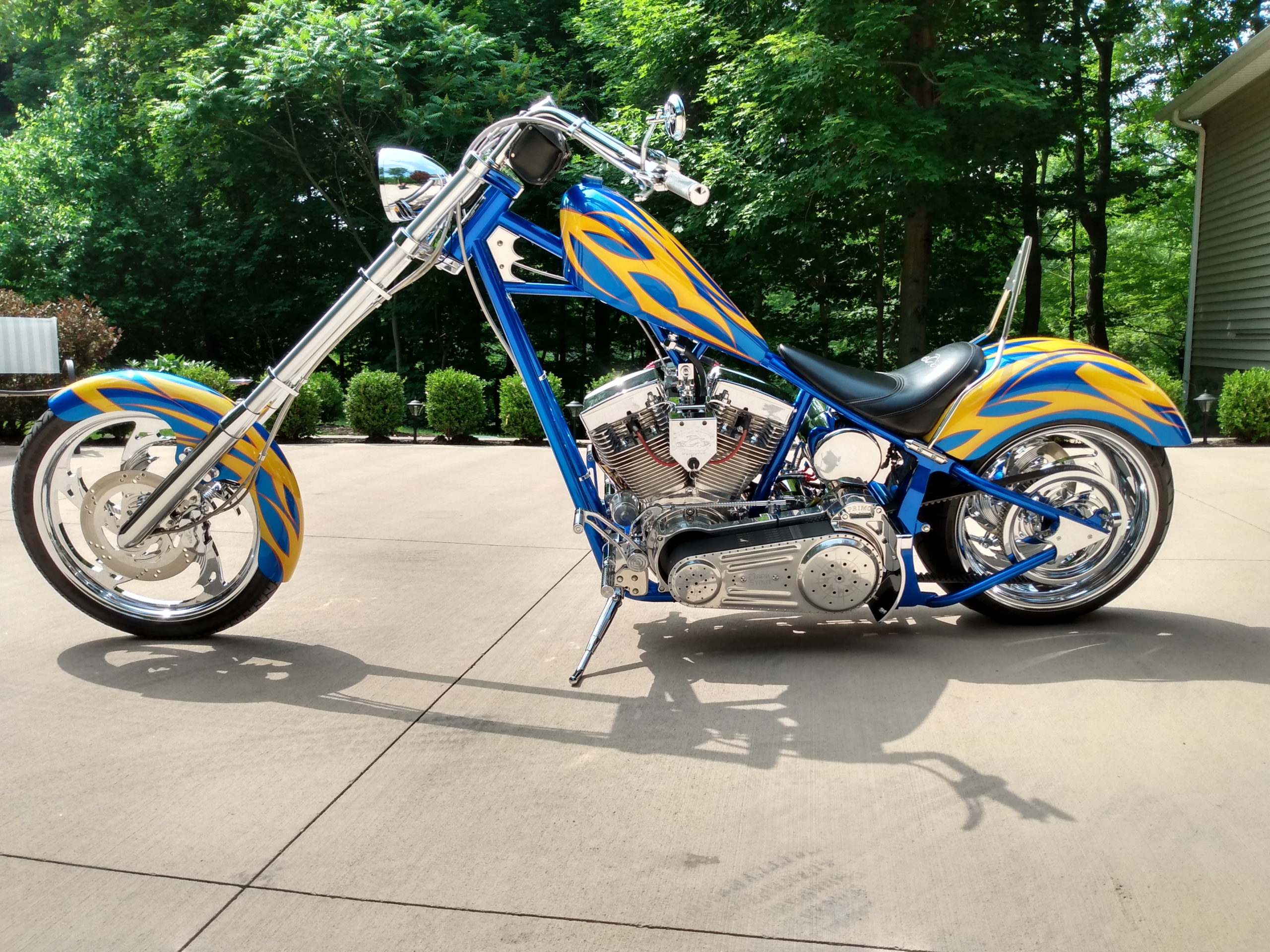
Exile Cycles choppers are the architectural equivalent of Brutalism—bold, unadorned, and uncompromising. Their frames are elongated, their lines jagged, like the silhouette of a predator stalking the asphalt. There’s a deliberate rawness here, a refusal to polish the edges of imperfection. Every weld is visible. Every curve tells a story of struggle and triumph. In contrast, OCC bikes are the embodiment of Baroque excess—curves that flow like a sonnet, chrome that gleams like a mirror to the sun, and details so intricate they demand a second glance. These are not just motorcycles; they are rolling sculptures, each one a testament to the idea that a chopper can be both a machine and a masterpiece. One school of thought says, “Less is more.” The other whispers, “More is never enough.”

Materials and Craftsmanship: The Alchemy of Steel and Vision
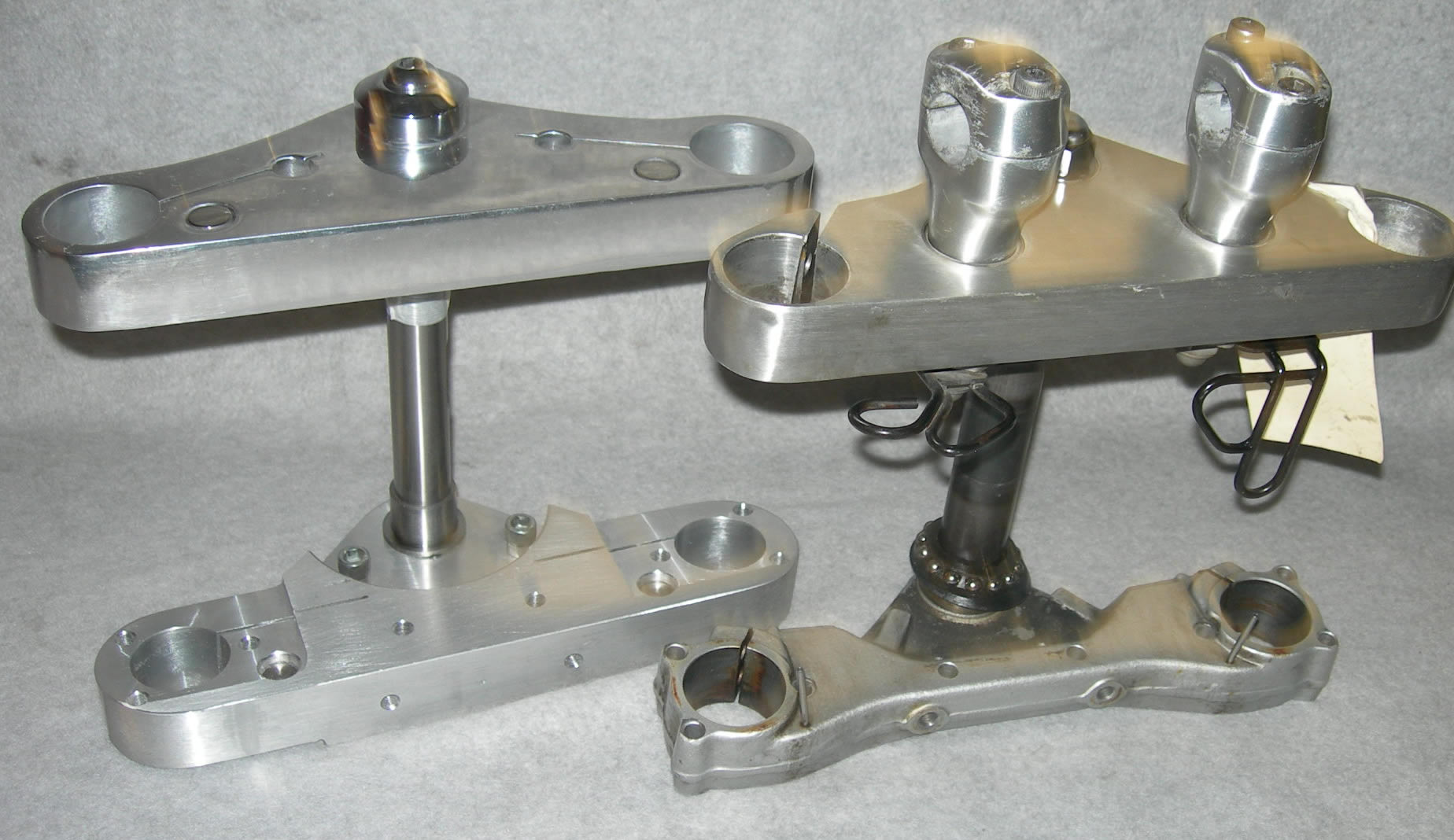
The materials chosen by each brand are not just functional—they are philosophical. Exile Cycles often favors raw steel, unpolished and unvarnished, as if the bike itself is a living artifact of the underground. Their frames are heavy, their engines growling with the voice of a beast untamed. OCC, meanwhile, treats metal like a canvas. They use aerospace-grade aluminum, polished titanium, and hand-forged components that gleam like jewels in the sun. The difference isn’t just in the materials—it’s in the intention. Exile builds for the road; OCC builds for the gallery. One is a warrior’s blade, forged in fire and tempered in grit. The other is a ceremonial dagger, adorned with jewels and etched with runes of legacy.
The Rider’s Experience: Freedom vs. Fantasy
To ride an Exile Cycles chopper is to feel the pulse of the earth beneath you. The bike is an extension of the rider’s will, a machine that responds not with the precision of a Swiss watch, but with the unpredictability of a wild stallion. The seating position is low, the handlebars wide—every movement is a dialogue between man and machine. There’s a primal connection here, a sense that the road is not a path, but a frontier. OCC choppers, by contrast, offer a different kind of thrill. They are designed for the open highway, but also for the gaze of admirers. The ride is smooth, almost serene, like gliding through a museum of mechanical art. The experience isn’t just about motion; it’s about presence. You’re not just riding a bike—you’re performing a role in a grand, cinematic narrative.

Cultural Impact: The Underground Pulse vs. The Mainstream Beat
Exile Cycles thrives in the underground, where choppers are not just vehicles but symbols of defiance. Their riders are the modern-day outlaws, the keepers of a flame that burns in the hearts of those who reject conformity. OCC, meanwhile, has become a cultural phenomenon, its bikes appearing in films, television, and even the halls of power. Their influence is undeniable, but so is their controversy. Some purists argue that OCC has diluted the soul of the chopper, turning it into a commodity. Yet, without OCC, would the chopper have ever transcended its niche? The truth lies in the duality: one brand keeps the spirit alive in the shadows, while the other shines a light on it for the world to see.
The Price of Passion: Investment vs. Indulgence
Owning an Exile Cycles chopper is an act of devotion. These bikes are not mass-produced; they are handcrafted by artisans who treat each project as a labor of love. The cost reflects the time, skill, and passion poured into every weld and curve. An OCC chopper, while also a significant investment, carries with it the weight of brand prestige. You’re not just buying a motorcycle—you’re buying a piece of history, a slice of Americana. The question isn’t just about money; it’s about what you value more—the raw authenticity of the underground, or the polished legacy of a global icon.
Legacy and Future: Where Do They Go From Here?
The future of Exile Cycles lies in the hands of a new generation of builders, those who see the chopper not as a relic, but as a living art form. Their challenge is to keep the spirit alive while adapting to modern demands. OCC, meanwhile, faces the task of evolving without losing its essence. Can a brand that thrives on spectacle continue to innovate, or will it become a museum piece? The answer may lie in the fusion of both worlds—where the raw energy of Exile meets the refined craftsmanship of OCC. Imagine a chopper that is both a warrior’s blade and a masterpiece of design, a machine that embodies the best of both legacies.
The great chopper divide isn’t just about steel and chrome—it’s about identity. It’s about the rider who wants to feel the pulse of the road beneath them, and the one who wants to be seen riding it. It’s about the builder who treats every project as a rebellion, and the one who treats it as a masterpiece. In the end, both Exile Cycles and Orange County Choppers are more than brands. They are philosophies. They are dreams given form. And the open road is big enough for both.