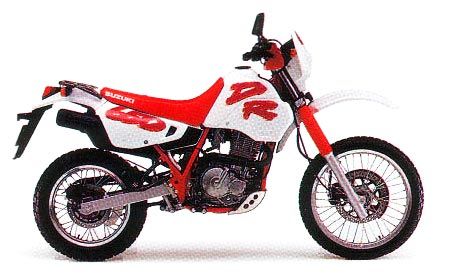
In the vast landscape of dual-sport motorcycles, where innovation often races ahead in leaps and bounds, the 1996 Suzuki DR650 emerges not merely as a machine but as a stalwart sentinel of rugged dependability. It is the enduring flame in a storm of fleeting trends—a dual-purpose dynamo that refuses to yield to the ephemeral nature of motorcycles chasing the latest gimmicks. The DR650 is a metaphorical Swiss Army knife on two wheels, unyielding and adaptable, designed to conquer both asphalt arteries and the untamed wilderness with equal zeal.
From the moment the DR650’s 645cc, single-cylinder, four-stroke engine roars to life, it captivates with a raw, unpretentious vigor. Unlike multi-cylinder behemoths that intoxicate with their symphony of pistons, the DR650’s heartbeat is a steady, rhythmic pulse—like the dependable ticking of an ancient clockwork mechanism. This engine delivers a robust mid-range torque that effortlessly bridges the chasm between street cruising and trail blazing. It’s the kind of power that doesn’t demand high revving; instead, it rewards patience and tact, giving the rider a sense of harmony and control.
The architecture of the 1996 DR650 is a masterclass in purposeful austerity. Every line, every curve embodies utilitarian elegance without succumbing to superfluous flamboyance. Its frame—a tubular steel backbone—strengthens the bike’s ability to withstand the brutal ballet of off-road excursions. This structural integrity is paired with a wide, flat seat that lures riders into long hours of saddle fondness, transforming endurance into a pleasurable conquest rather than a grueling ordeal.
Functionality reigns supreme in the DR650’s suspension setup. The telescopic front forks and a rear monoshock, both with generous travel, dance deftly over potholes, roots, and rocky outcrops alike. This suspension duo doesn’t merely absorb the abuse; it transposes rough terrain into a narrative of exhilaration, each bump a punctuation mark in the journey rather than an obstacle. The 1996 DR650 therefore transcends the typical compromise between street comfort and off-road agility, embracing both with rare aplomb.
One cannot discuss the DR650 without marveling at its simplicity—a trait often underrated in an age of technological excess. It lacks elaborate electronic aids, traction control, or complex fuel injection systems. Instead, it offers a carbureted engine that sings with mechanical authenticity. To ride the DR650 is to engage in a tactile dialogue, wherein skill, intuition, and mechanical sympathy merge. This stripped-down ethos not only makes the machine approachable but also remarkably easy to maintain, especially where the asphalt runs thin and help is a distant dream.
The bike’s aesthetics mirror its dual-purpose prowess. Its slender, unpretentious bodywork carves through the air with purpose rather than flamboyance. The minimalist headlamp nacelle and compact instrumentation panel serve their functions with matter-of-fact efficiency. Each element echoes a philosophy that values durability over dazzle, resilience over refinement. The DR650 is less a showpiece and more a trusted companion, weathering the elements and time with unwavering resolve.
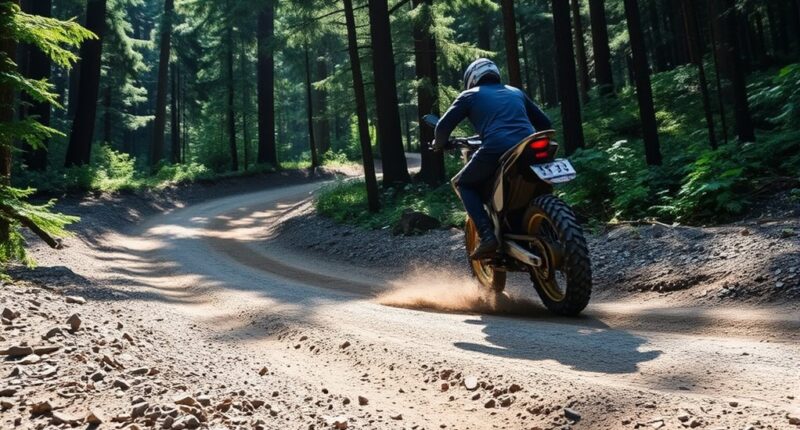
What truly sets the 1996 Suzuki DR650 apart is its uncanny ability to adapt to the rider’s intentions. It is a chameleon that seamlessly transitions from urban commuter to wilderness explorer. The bike’s nimble handling invites spirited navigation through city streets, while its robust chassis and torque-rich engine inspire confidence on rugged backcountry trails. It doesn’t impose a single style of riding but rather accommodates a spectrum, crafting an experience as multifaceted as the landscapes it traverses.
Moreover, the DR650 cultivates a unique symbiotic relationship with its rider. It is a motorcycle that nurtures a sense of mastery rather than dependency. This dynamic contrasts sharply with the modern trend of motorcycles that inundate riders with electronic interventions. The DR650 demands respect; it invites the rider to hone their skills, to anticipate and react rather than merely comply. It is a mentor in mechanical resilience and rider finesse, cultivated over decades of proving ground tests and real-world exploits.
The enduring appeal of the 1996 Suzuki DR650 is also rooted in its narrative richness. It is more than metal and rubber; it is a vessel of stories—of dawn rides through fog-laden mountain passes, of dirt-streaked afternoons crossing rivers and deserts, and of night-time escapades beneath star-studded heavens. Each scratch and dent is a badge of honor, a testament to adventures endured and memories forged. In the realm of dual-sport motorcycles, the DR650 is akin to a weathered tome—its pages worn but stories profound and timeless.
In conclusion, the 1996 Suzuki DR650 stands as a paragon of dual-sport resilience and unpretentious versatility. Its enduring design philosophy champions simplicity and mechanical purity, which translate into a motorcycle that is as formidable on dirt trails as it is on city streets. It is not just a mode of transportation but a steadfast ally—one that invites adventure, demands respect, and rewards dedication. The DR650’s legacy is not defined by fleeting innovation but by an unwavering commitment to reliability and rider engagement. For those seeking a dual-purpose motorcycle that won’t quit, the 1996 Suzuki DR650 remains an ever-appealing beacon on the horizon of motorcycling legend.