Picture this: you’re standing in a dimly lit garage, the scent of motor oil and metal thick in the air. A gleaming motorcycle rests before you, its chrome glinting under the flickering fluorescent lights. The emblem—a roaring eagle clutching a wrench—seems to pulse with authenticity. But something feels… off. The welds are too perfect. The paint, though vibrant, lacks the subtle imperfections of a handcrafted masterpiece. Your gut whispers what your eyes can’t yet confirm: this isn’t the real deal. You’ve just encountered a counterfeit Orange County Choppers (OCC) replica, a wolf in sheep’s clothing, masquerading as the legendary craftsmanship of the Teutuls. Welcome to the shadowy underbelly of the chopper world, where replicas lurk in plain sight, preying on the unwary. But fear not—armed with the right knowledge, you can spot these impostors before they slip past your defenses.
The Allure of the Illusion: Why Fakes Persist in the OCC Universe
Orange County Choppers didn’t just build motorcycles; they forged a cultural phenomenon. From their humble beginnings in a small New York garage to their meteoric rise as television stars, OCC became synonymous with raw, unfiltered American ingenuity. Their choppers aren’t just machines—they’re rolling manifestos of rebellion, family, and craftsmanship. This iconic status, however, has cast a long shadow. Where there’s prestige, there’s profit, and where there’s profit, there are counterfeiters. Fakes thrive in this paradox: the more desirable an OCC chopper becomes, the more enticing it is to replicate—poorly.
The motivations are as varied as the fakes themselves. Some buyers are lured by the allure of owning a “piece of the brand” without the astronomical price tag. Others are duped by sellers who peddle these knockoffs as genuine, capitalizing on the emotional connection fans have with OCC’s legacy. Then there are the collectors, who, in their haste to add a rare piece to their garages, overlook the telltale signs of artifice. But here’s the twist: spotting a fake isn’t just about protecting your wallet—it’s about preserving the integrity of a legacy. Every replica that slips through the cracks dilutes the story of OCC, turning their hard-earned legend into a commodity.
The Devil’s in the Details: A Forensic Guide to OCC Replicas
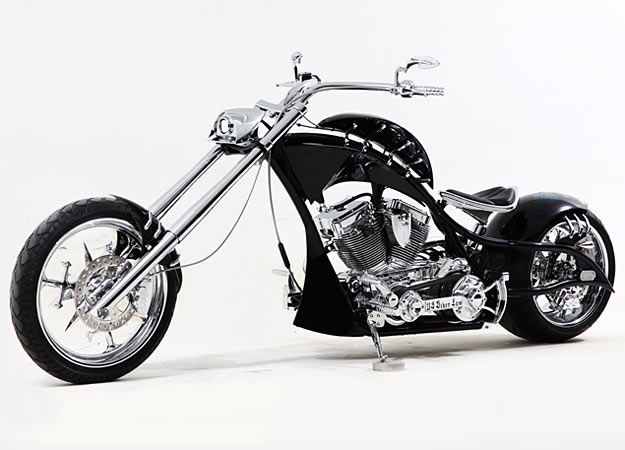
To the untrained eye, a fake OCC chopper might seem indistinguishable from the real thing. But peel back the layers, and the cracks begin to show. Start with the emblem—the iconic eagle clutching a wrench. On a genuine OCC chopper, this logo is a study in precision. The welds are clean but not sterile; they bear the faintest traces of human touch, like the subtle variations in a master painter’s brushstrokes. Fakes, on the other hand, often feature logos that are either too sharp, too symmetrical, or glued on with an almost desperate adherence. The eagle’s wings might lack the organic flow of the original, or the wrench might appear stamped rather than forged.
Next, examine the frame. OCC choppers are built on custom frames, each one a testament to the Teutuls’ philosophy of “form follows function.” Look for inconsistencies in the tubing—real OCC frames have a lived-in quality, with slight bends and welds that tell a story of trial and error. Fakes often use off-the-shelf frames, which lack the bespoke curves and craftsmanship. The paint job is another dead giveaway. Genuine OCC choppers feature a patina that develops over time, with scratches, chips, and fading that can’t be replicated with a spray can. Fakes, meanwhile, often have paint that’s too glossy, too uniform, or applied in a way that obscures the bike’s true lines.
Don’t overlook the small details—the bolts, the exhaust, even the seat. OCC choppers use high-quality hardware, often custom-machined or sourced from reputable suppliers. Fakes might skimp on these components, opting for generic or mismatched parts. The exhaust, for instance, should have a distinct sound and finish; fakes often produce a tinny, hollow ring and a finish that’s either too shiny or too dull. And then there’s the seat. OCC’s signature seats are works of art, stitched with care and designed to cradle the rider. Fakes often feature seats that are poorly upholstered, with stitching that’s uneven or synthetic-looking.

The Psychology of Deception: Why We Fall for Fakes
It’s easy to judge the victims of counterfeit scams—until you consider the psychological traps that ensnare even the most discerning buyers. The first trap is emotional investment. OCC choppers aren’t just motorcycles; they’re symbols of freedom, family, and rebellion. When a seller markets a replica as a “piece of the brand,” they’re tapping into this emotional reservoir, making it harder for the buyer to think critically. The second trap is the illusion of exclusivity. Fakes are often sold as “limited editions” or “one-of-a-kind,” playing on the buyer’s desire to own something rare. The third trap is the power of suggestion. A well-rehearsed sales pitch, complete with fabricated stories about the bike’s history, can cloud judgment and override skepticism.
But here’s the most insidious aspect of these psychological traps: they prey on our desire to belong. OCC’s fanbase isn’t just a group of enthusiasts; it’s a community bound by shared values and a love for the brand’s ethos. When a fake chopper enters this community, it doesn’t just deceive the buyer—it erodes the trust and camaraderie that define the group. The buyer, once they realize they’ve been duped, may feel shame or embarrassment, further isolating them from the community they sought to join. This is why spotting a fake isn’t just about protecting your wallet—it’s about protecting the integrity of the community itself.
Beyond the Bike: The Ripple Effects of Counterfeit Culture
The impact of OCC replicas extends far beyond the individual buyer. For the genuine OCC brand, counterfeits dilute the exclusivity and prestige that have defined their legacy. When replicas flood the market, they create a perception that OCC choppers are more accessible than they truly are, undermining the brand’s premium positioning. This, in turn, can erode the value of genuine OCC motorcycles, making it harder for collectors to justify the investment in an authentic piece.
There’s also the ethical dimension. OCC’s success is built on the backs of skilled craftsmen who pour their hearts into every chopper. When a fake rolls off an assembly line in a matter of weeks, it devalues the time, effort, and artistry that go into a genuine OCC motorcycle. It’s a form of intellectual theft, one that strips away the soul of the brand and replaces it with a hollow imitation. And let’s not forget the environmental cost. Fakes often use cheaper, less durable materials that end up in landfills sooner, contributing to the cycle of waste and environmental degradation.
But perhaps the most damaging ripple effect is the erosion of trust. In a world where authenticity is increasingly commodified, the proliferation of fakes chips away at the foundation of trust that underpins all commerce. When buyers can no longer trust the provenance of a product, the entire market suffers. This is why the fight against counterfeits isn’t just about protecting individual buyers—it’s about preserving the integrity of the market as a whole.

The Art of the Hunt: How to Verify an OCC Chopper’s Authenticity
So, how do you separate the real from the replica? The first step is to arm yourself with knowledge. Study genuine OCC choppers in detail—watch documentaries, read interviews with Paul Teutul Sr. and Jr., and examine high-resolution photos of their bikes. Pay attention to the nuances: the way the tubing bends, the texture of the paint, the sound of the exhaust. The more familiar you become with the real thing, the easier it will be to spot a fake.
Next, demand documentation. A genuine OCC chopper should come with a certificate of authenticity, a build sheet, or at the very least, a detailed history of its provenance. If the seller can’t provide this, walk away. Be wary of sellers who pressure you to make a quick decision or who refuse to let you inspect the bike in person. If possible, bring an expert—a mechanic, a fellow OCC enthusiast, or even a representative from the OCC team—to help you evaluate the chopper.
Finally, trust your instincts. If something feels off, it probably is. The devil, as they say, is in the details, and the details don’t lie. Whether it’s the too-perfect welds, the mismatched hardware, or the suspiciously pristine paint job, these red flags are your first line of defense against deception. And remember: the best fakes are the ones that almost convince you. The moment you start second-guessing yourself is the moment you need to take a step back and reassess.
A Call to Action: Preserving the Legacy of OCC
The fight against counterfeit OCC choppers isn’t just a battle for buyers—it’s a battle for the soul of the brand. Every time a fake slips through the cracks, it chips away at the legacy of Orange County Choppers, turning their hard-earned reputation into a hollow shell. But there’s hope. By educating ourselves, by demanding authenticity, and by holding sellers accountable, we can stem the tide of counterfeits and preserve the integrity of OCC’s legacy.
So the next time you find yourself face-to-face with a gleaming chopper, take a moment to look beyond the shine. Run your fingers over the welds. Listen to the exhaust note. Study the details. Because in a world where fakes are becoming increasingly sophisticated, the truth is often hiding in plain sight. And the real deal? It’s worth the hunt.