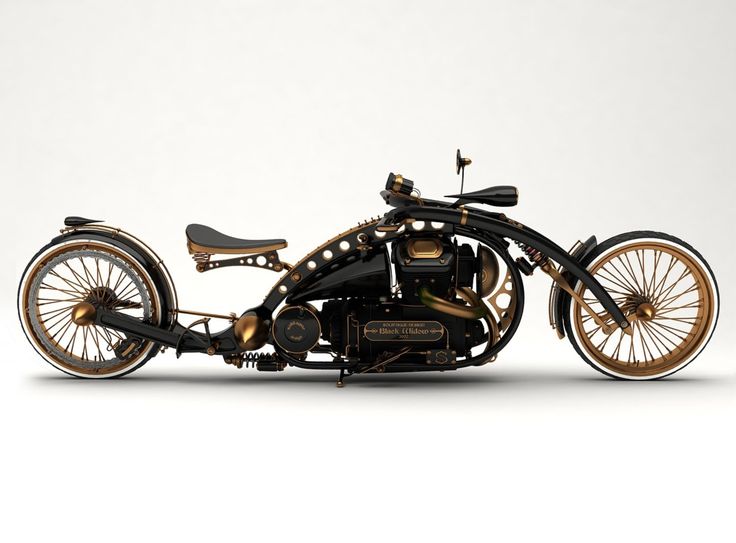
The steampunk custom chopper motorcycle is more than just a machine—it’s a rolling manifesto of rebellion, artistry, and mechanical alchemy. Born from the marriage of Victorian aesthetics and industrial grit, these two-wheeled marvels transcend mere transportation, morphing into kinetic sculptures that whisper tales of a bygone era reimagined. With their gleaming brass fixtures, exposed copper piping, and the unmistakable hum of a reimagined engine, these motorcycles are the physical embodiment of a genre that refuses to be confined by time. Whether you’re a seasoned rider, a design aficionado, or simply someone who marvels at the fusion of form and function, the steampunk chopper offers a gateway into a world where every bolt tells a story and every curve evokes a sense of adventure.
The Anatomy of a Steampunk Chopper: Where Art Meets Engineering
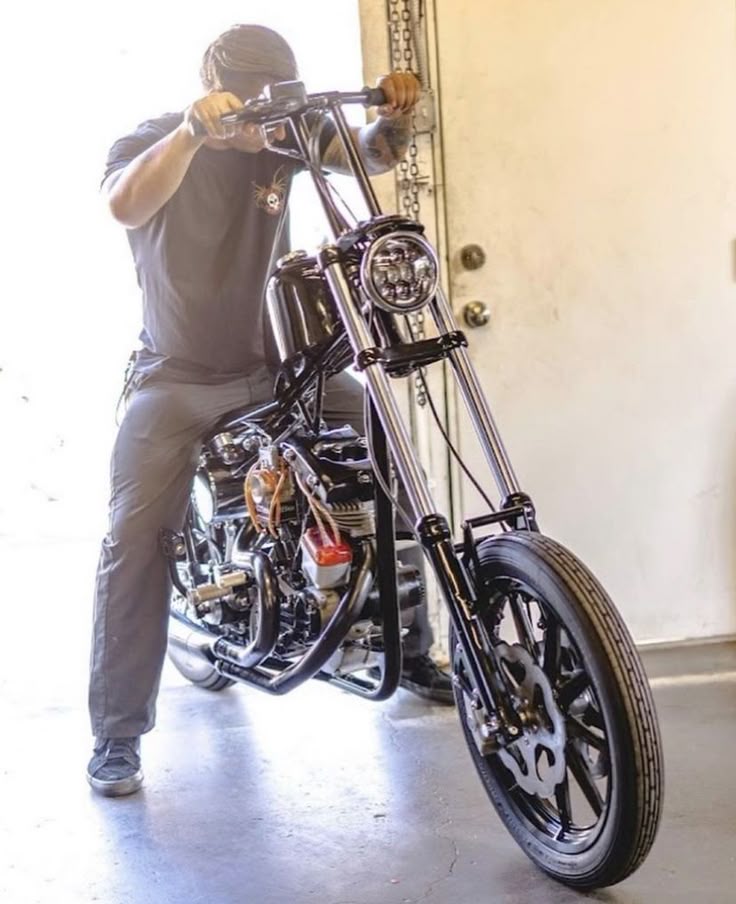
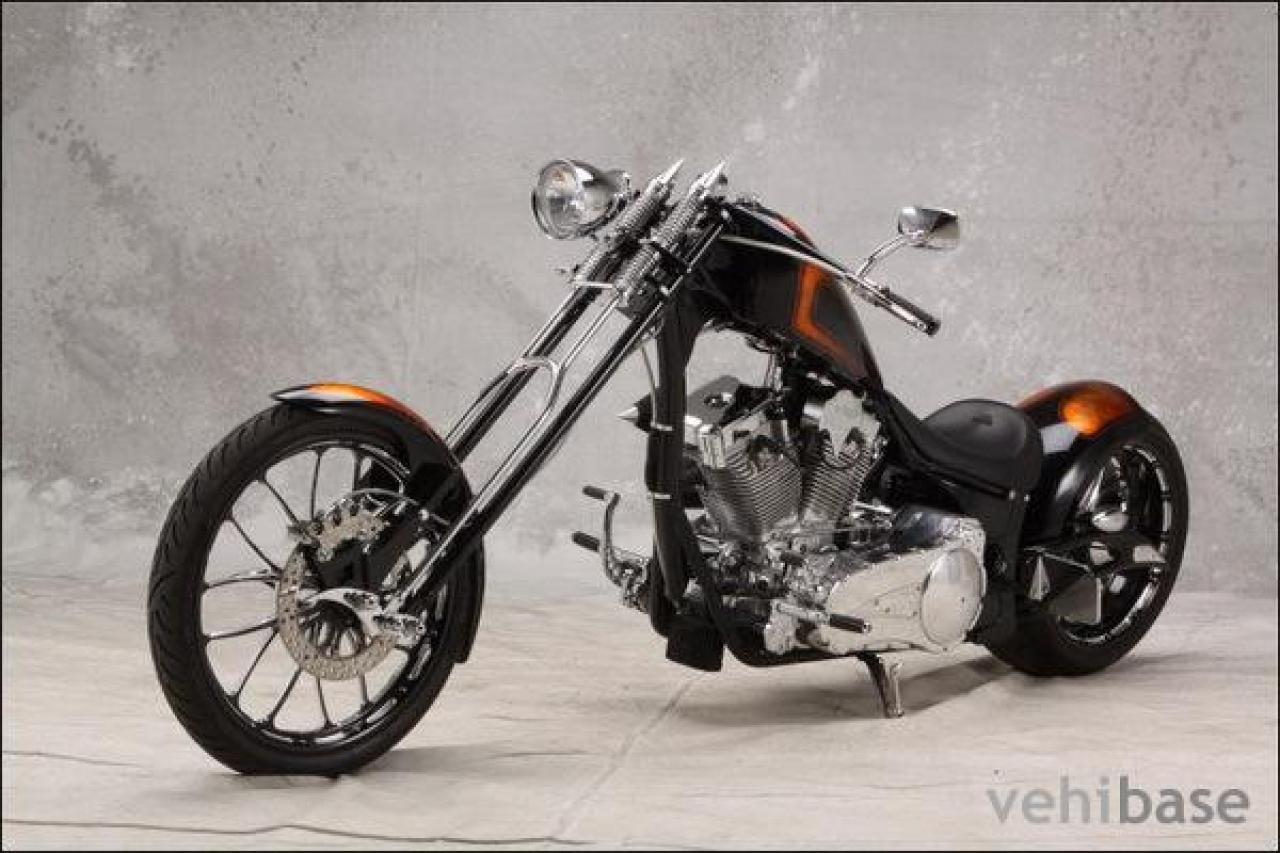
At first glance, a steampunk custom chopper appears as if plucked from the pages of a Jules Verne novel, only to roar to life with the precision of a Swiss timepiece. The frame, often hand-forged from steel or aluminum, serves as the backbone of this mechanical beast, its lines deliberately exaggerated to emphasize both strength and elegance. Unlike mass-produced motorcycles, each chopper is a bespoke creation, with its geometry tailored to the rider’s physique and aesthetic preferences. The forks, elongated and often adorned with intricate filigree, give the bike an almost skeletal grace, while the rear suspension—when present—is designed to mimic the fluidity of a pendulum, swaying with the rhythm of the road.
The engine, the heart of the machine, is where steampunk truly comes alive. While some purists insist on retrofitting vintage combustion engines with brass-plated covers and polished flywheels, others push the boundaries with hybrid designs that blend steam power with electric propulsion. Exposed cylinders pulse with a hypnotic rhythm, their surfaces etched with gears that spin in hypnotic synchrony. The exhaust system, a symphony of copper and steel, doesn’t just vent fumes—it sings, its resonant tones echoing the mechanical ballet unfolding beneath the rider. Even the smallest components, from the throttle cables wrapped in leather to the brake lines sheathed in braided steel, are treated as opportunities for artistic expression.
Materials and Craftsmanship: Forging a Legacy in Metal and Myth
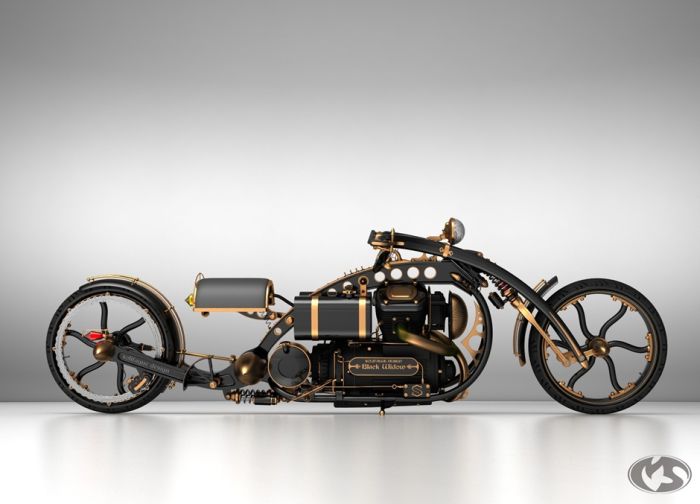
The materials chosen for a steampunk chopper are as deliberate as the strokes of a master painter’s brush. Brass, with its warm golden hue, is the quintessential steampunk metal, lending an air of antiquity while remaining resilient enough to endure the rigors of the road. Copper, with its verdigris patina, adds a touch of organic decay, as if the motorcycle has been unearthed from a forgotten workshop. Steel, in its various grades, provides the structural integrity needed to handle the demands of customization, while leather—often hand-tooled with gears, cogs, and Victorian motifs—softens the machine’s industrial edge.
Craftsmanship is the soul of the steampunk chopper. Every weld is a statement, every polish a testament to patience. Artisans often employ techniques like lost-wax casting to create one-of-a-kind components, such as gear-shaped handle grips or turbine-like wheel covers. The process is as much about storytelling as it is about engineering. A well-crafted steampunk chopper doesn’t just look like it belongs in a museum—it feels like it was forged by a guild of modern-day tinkerers, each piece a relic of a future that never was but always could be.

Design Philosophies: From Gothic Revival to Cyber-Steam
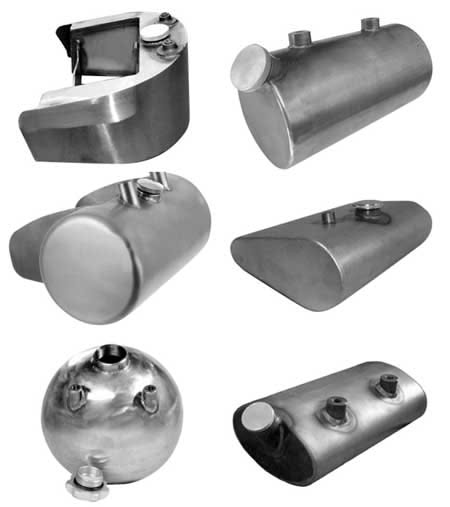
The design language of a steampunk chopper is a tapestry woven from multiple threads of influence. The Gothic Revival movement, with its pointed arches and ornate tracery, often manifests in the bike’s frame geometry or seat upholstery. Meanwhile, the Industrial Revolution’s love for exposed mechanics finds expression in gears that double as decorative elements, their teeth interlocking not just for function but for visual drama. Some designers push further, incorporating elements of Art Nouveau—sinuous lines and floral motifs—into the bike’s fairings or fuel tank, creating a machine that feels like a mobile garden of metal and light.
Yet, steampunk is not a static aesthetic. The genre thrives on reinvention, and modern interpretations often blend traditional steampunk with cyberpunk influences. Imagine a chopper with LED-lit “steam vents” that pulse with bioluminescent light, or a frame etched with circuit-like patterns that glow under UV light. These hybrids challenge the notion of what steampunk can be, proving that the genre is as much about innovation as it is about nostalgia. The result is a motorcycle that doesn’t just pay homage to the past—it redefines it for the future.

Riding Experience: The Symphony of Steel and Steam
To ride a steampunk chopper is to engage in a multisensory experience that transcends the ordinary. The moment you twist the throttle, the engine’s growl—deepened by custom exhausts—vibrates through your bones, a primal symphony that drowns out the humdrum of the modern world. The seating position, often low and forward-leaning, places you in a crouch that feels both aggressive and intimate, as if you’re part of the machine rather than merely astride it. The suspension, tuned for a balance between comfort and control, absorbs the road’s imperfections while allowing you to feel every nuance of the ride.
But it’s the details that elevate the experience. The weight of the bike, heavier than a standard chopper due to its solid construction, gives it a grounding presence on the road. The heat from the engine, especially in models with exposed cylinders, radiates through the rider’s boots and gloves, a tactile reminder of the machine’s living, breathing nature. Even the sound changes as you accelerate—the metallic clatter of gears mingling with the rhythmic hiss of steam (in hybrid models) to create a soundtrack that’s as much a part of the journey as the destination.
Customization and Personalization: Your Vision, Your Machine
No two steampunk choppers are alike, and that’s by design. Customization is the lifeblood of the genre, allowing riders to infuse their personality into every aspect of the bike. Some opt for a “dark steampunk” aesthetic, with blackened steel, oxidized copper, and gothic engravings that evoke a sense of mystery. Others lean into a “light steampunk” palette, using polished brass, ivory inlays, and pastel leather to create a machine that feels like a relic from a utopian future. The possibilities are limited only by imagination—and perhaps the depth of one’s pockets.
Popular customization trends include swapping out standard handlebars for “tiller” designs, reminiscent of old steamship controls, or adding “smoke stacks” that double as exhaust pipes. Some riders go so far as to incorporate functional steam generators into their bikes, producing a cloud of vapor that trails behind them like a mechanical comet. Others focus on the interior, crafting seats from hand-tooled leather stitched with gears or embedding LED strips into the frame to create a nighttime spectacle. The key is to treat the motorcycle as a canvas, where every modification tells a story.
The Cultural Impact: More Than Just a Bike
The steampunk chopper has evolved from a niche fascination into a cultural phenomenon, transcending its mechanical roots to become a symbol of individuality and creativity. In a world dominated by mass-produced vehicles, these motorcycles stand as a defiant celebration of craftsmanship and personal expression. They’ve appeared in films, music videos, and even high-fashion editorials, proving that steampunk is more than a trend—it’s a movement. Communities of builders and riders share their designs online, hosting competitions to crown the most innovative or visually striking choppers. Events like steampunk festivals and motorcycle rallies often feature custom chopper showcases, where enthusiasts gather to admire the artistry and swap stories of their mechanical adventures.
The genre’s appeal also lies in its inclusivity. Steampunk choppers aren’t just for the hardened biker; they’re for artists, writers, musicians, and dreamers who see the world through a lens of wonder. The motorcycle becomes a conversation starter, a mobile piece of art that sparks curiosity and admiration wherever it goes. In an era where sustainability and ethical consumption are increasingly important, the steampunk ethos—of repurposing, upcycling, and valuing longevity over disposability—resonates deeply. These bikes are built to last, not just in miles but in meaning.
Future Horizons: Where Steampunk Meets Tomorrow
As technology advances, so too does the potential for steampunk choppers to evolve. Electric motors, once anathema to purists, are now being integrated into designs with brass housing and vintage-style controllers, bridging the gap between old and new. 3D printing allows for rapid prototyping of complex components, from gear-shaped fairings to turbine-like wheel covers, making customization more accessible than ever. Even augmented reality is finding its way into the genre, with some builders incorporating holographic displays into their bikes’ dashboards, projecting steampunk-themed data overlays as you ride.
Yet, for all its innovation, the steampunk chopper remains rooted in its core philosophy: the belief that machinery can be beautiful, that function can be art, and that the past and future are not opposing forces but partners in creation. As long as there are dreamers willing to pick up a wrench and a vision, the steampunk chopper will continue to roll forward, a testament to the enduring power of imagination.