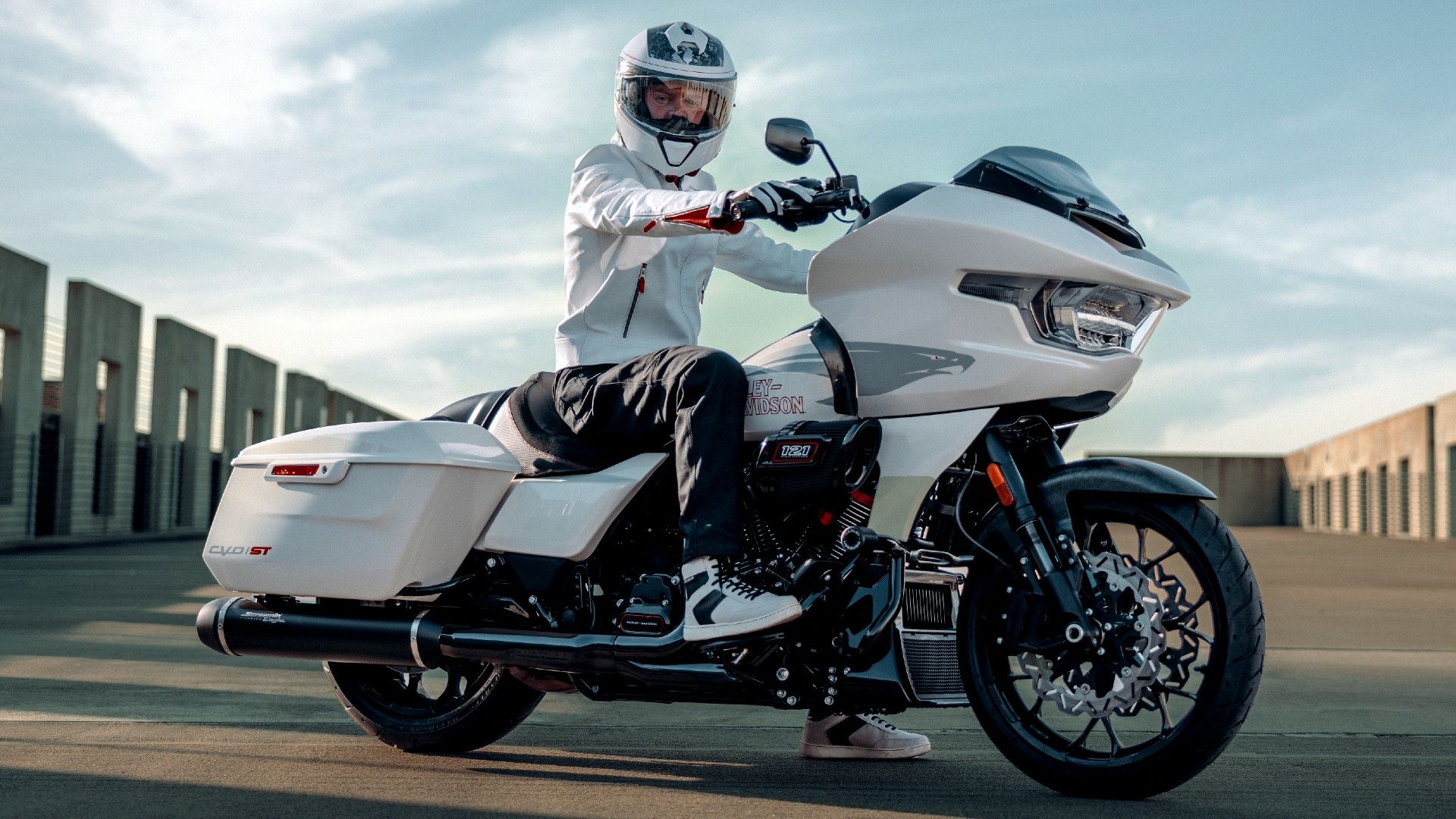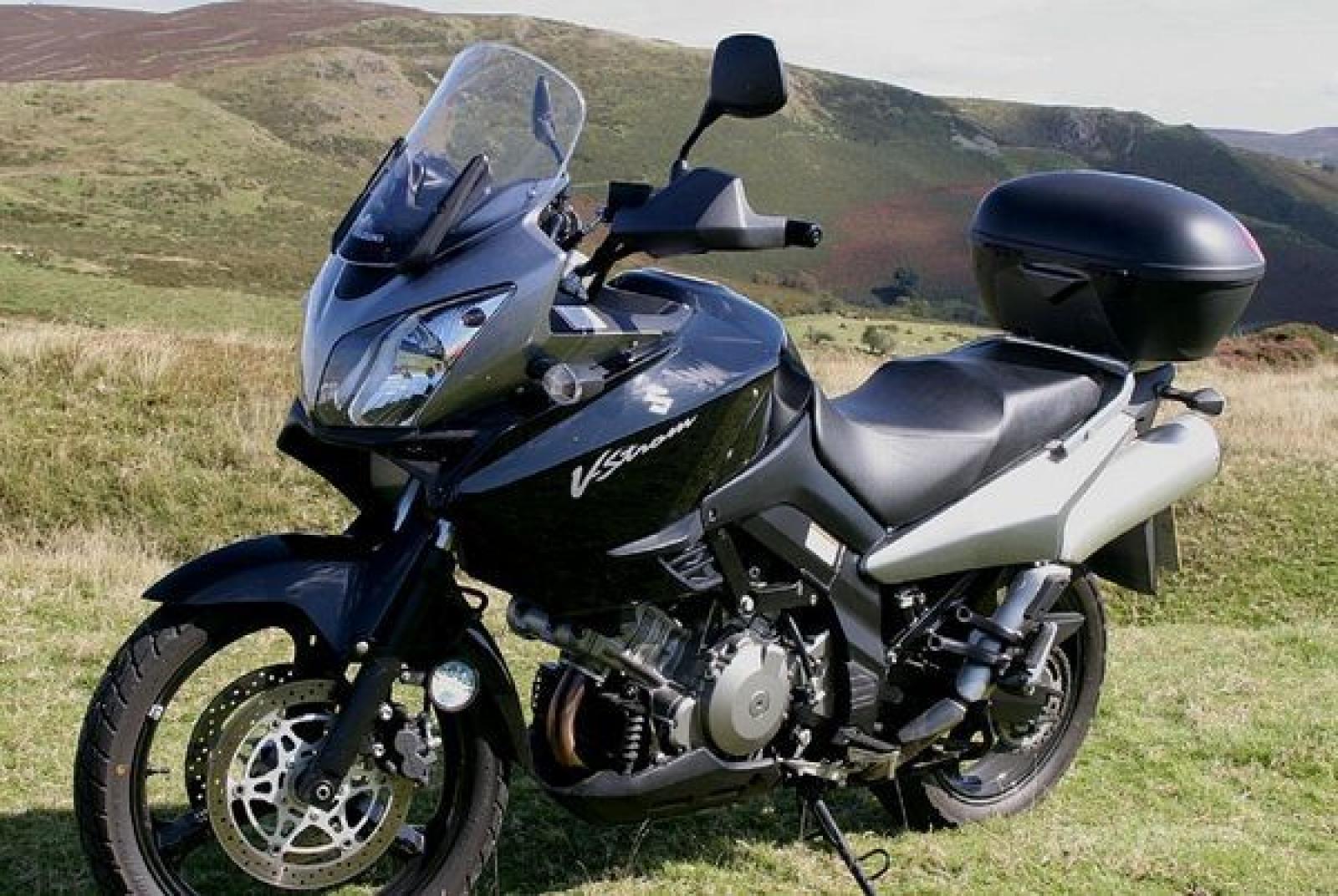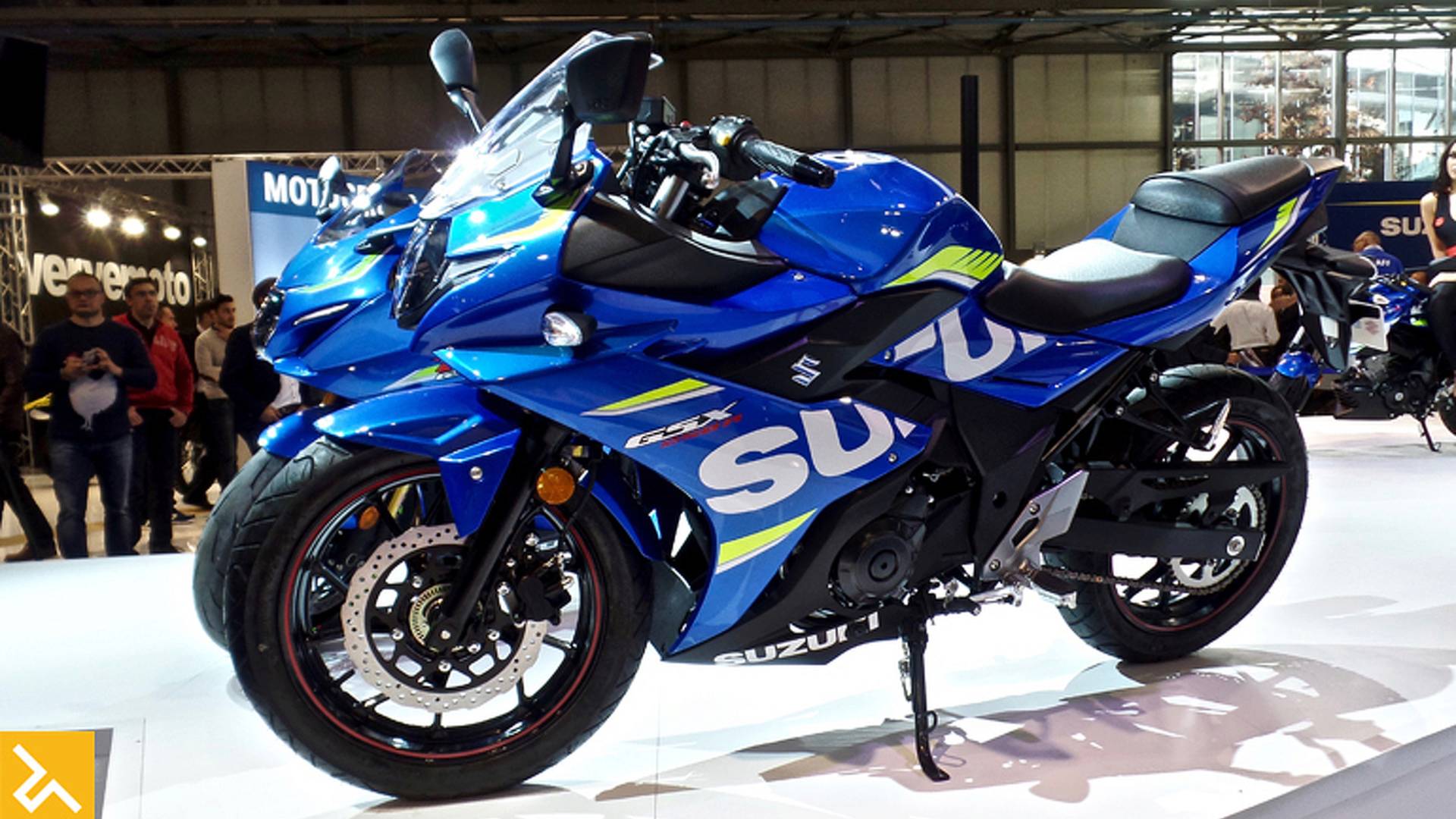
In the world of motorcycling, a perennial question looms large: why do large displacement bikes continue to capture the imagination of enthusiasts and casual riders alike, despite the increasing popularity of smaller, more economical options? It’s a question steeped in a rich history of engineering, performance, and sheer presence on the road. Large displacement motorcycles, typically defined as those with engines over 600cc, offer an aura of magnificence and spirited performance that holds a unique allure. Today, we delve into the enchanting realm of these big bikes, exploring the multifaceted reasons behind their enduring dominance.
The Thrill of Power: A Semantic Shift in Riding
Big bikes, indeed, come with attitude—an attitude that is deeply intertwined with power. The raw force delivered by these machines is unparalleled, making the act of riding an exhilarating experience akin to a rollercoaster ride. Consider the sensation of twisting the throttle on a high-displacement engine, the surge of torque that propels you forward almost instantaneously. Riders often describe this power as not just a means of transportation, but rather an invitation to transcend everyday life.
However, as urbanization and environmental consciousness rise, can these behemoths remain relevant? They seem to beckon a challenge: to balance the allure of high performance with the demand for sustainability. Yet, therein lies the beauty—many manufacturers are stepping up to innovate, infusing newer models with eco-friendly technologies while retaining that magnificent punch.
The Unforgettable Experience of Riding
When it comes to large displacement motorcycles, the experience transcends mere numbers and specifications. It’s about the wind in your hair, the rumble of the engine reverberating through your bones, and the instinctive connection between rider and machine. Large displacement bikes are engineered for comfort on long hauls, often featuring ergonomics that align with the needs of the rider. The striking design and commanding presence of these motorcycles become extensions of the rider’s persona.
Moreover, the sound produced by a powerful engine is not just noise; it’s a symphony resonating with thrilling audacity. Enthusiasts relish those deep, throaty growls that announce their presence on the road. This sensory experience is often described as music—an intoxicating blend of freedom and adventure—but can smaller bikes ever compete with the visceral feedback of a well-tuned V-Twin?
The Community of Like-Minded Riders
Community plays a significant role in the world of big bikes. Enthusiasts often find camaraderie in shared experiences—whether it’s at local bike meetups, cross-country trips, or simply exchanging stories at your neighborhood motorcycle shop. There exists a unique brotherhood forged through the appreciation of robust machinery. Riders of large displacement bikes share a passion for adventure, exploration, and the open road, creating an inclusive culture that welcomes all who share an interest in these magnificent machines.
But this community also raises a challenge: with the allure of joining larger groups comes the issue of exclusivity. Smaller bikes, often seen as more accessible, sometimes foster a different type of community. As the motorcycle landscape evolves, there’s an ongoing conversation about fostering inclusivity while celebrating the distinctiveness of big bike ownership. How do we invite all types of riders into the fold while cherishing the deep-rooted traditions built around the awe-inspiring big bikes?
Technological Advancements: A New Era of Big Bikes
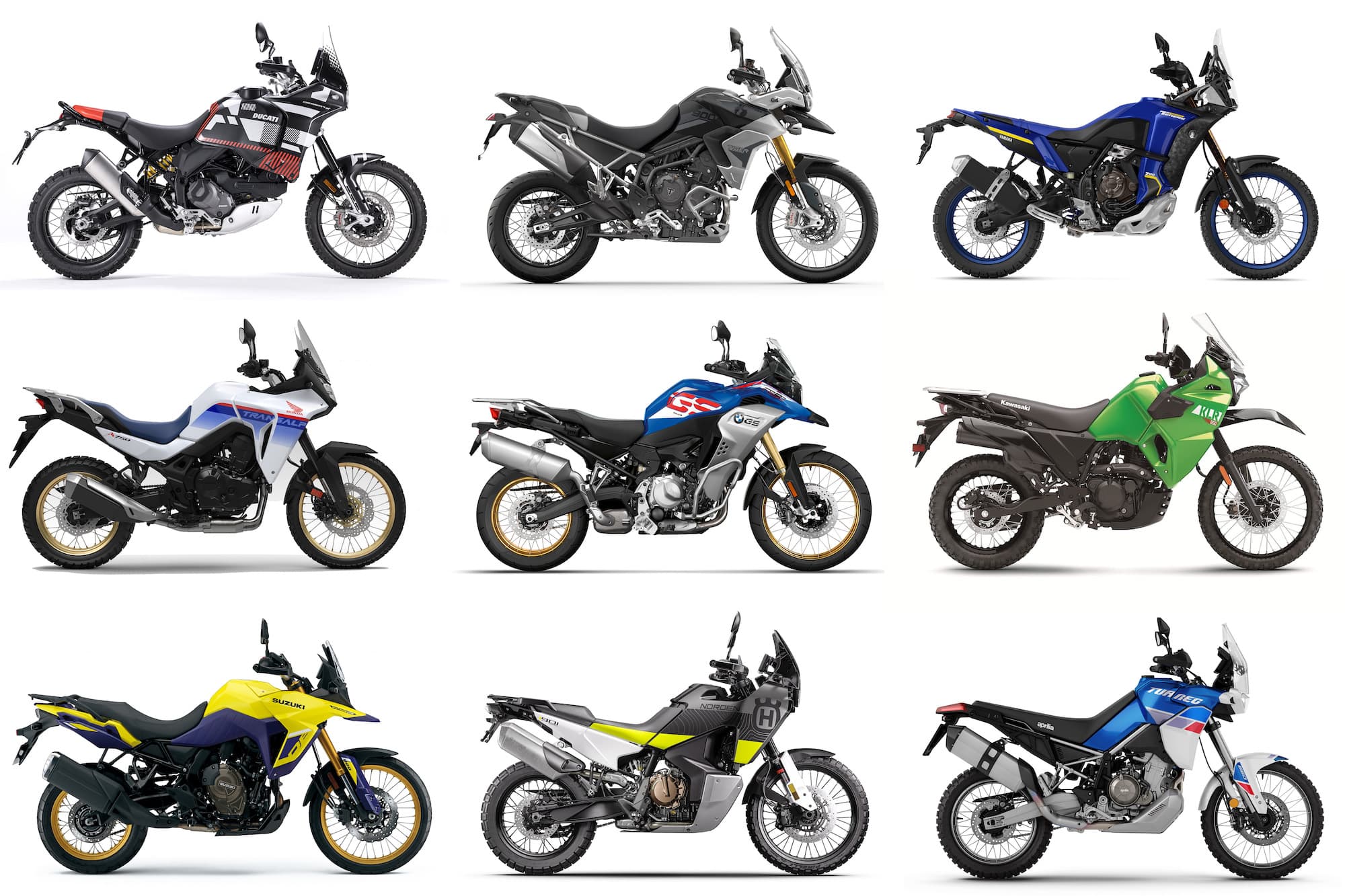
The narrative surrounding large displacement motorcycles continues to evolve as manufacturers pour resources into innovation. Cutting-edge technologies—ABS, traction control, and ride-by-wire—are making these powerful machines safer and more user-friendly than ever. The juxtaposition of power and technology has paved the way for a new era of versatility. From sport-touring options to adventure bikes that can navigate rugged terrains, big bikes are no longer confined to traditional categories.
Notably, many modern big bikes are also designed with fuel efficiency in mind, oftentimes equipped with engines that prioritize performance without guzzling gas. As green technology becomes a focal point across industries, how can larger bikes pivot from being perceived as gas-guzzlers to eco-conscious machines beloved for their balance of power and responsibility?
The Iconic Status of Large Displacement Bikes
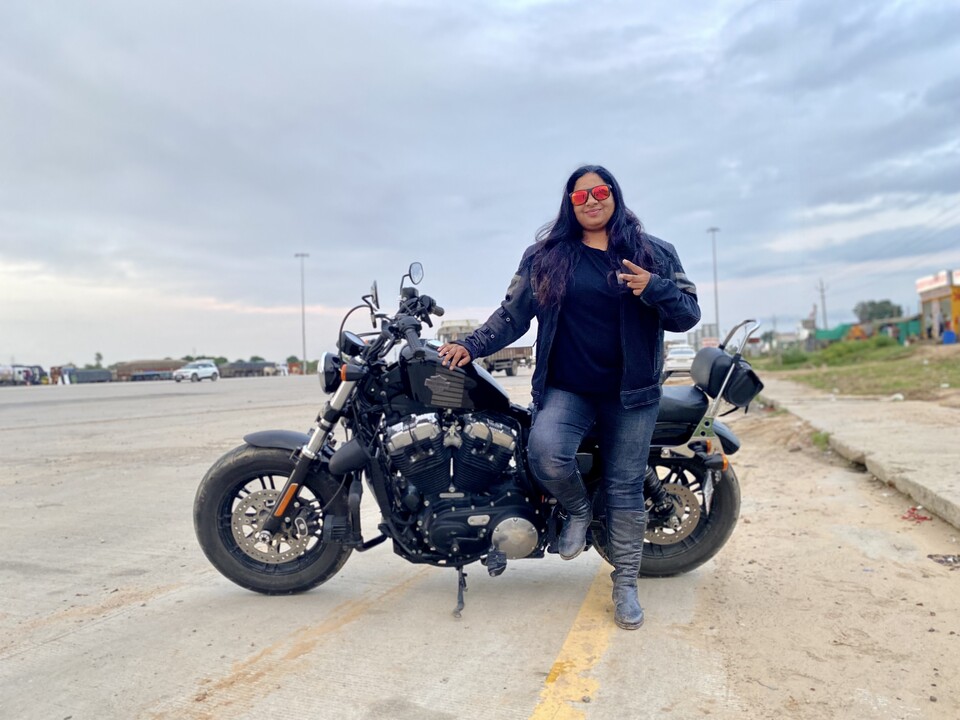
Throughout history, certain models have achieved cult status, their names synonymous with freedom and rebellion. Think of the Harley-Davidson Fat Boy or the BMW R1200GS—these motorcycles hold an iconic status, christened by their legendary performance and historical significance. They also symbolize a lifestyle choice, representing not only transportation but a spirit of adventure and individuality.
The challenge here is multifold: as the motorcycle market diversifies and new trends emerge, can these iconic models retain their relevance, or will they fade into the annals of history, replaced by a new wave of smaller, tech-savvy alternatives?
Conclusion: The Enduring Allure of the Big Bike
Ultimately, the attraction to large displacement bikes lies in a combination of power, community, experience, and heritage. They embody a thrilling confluence of engineering excellence and the raw exhilaration of motorcycling. While the industry may evolve, the passionate embrace of big bikes and their unrivaled presence on the road will likely remain. So, as you consider the next adventure or motorcycle purchase, remember: do you gravitate toward the nimble and compact, or do you find yourself inexorably drawn to the majestic allure of big bikes which truly encapsulate the essence of freedom on two wheels?