When the wind whistles down an open highway and the rumble of a powerful engine beckons, cruiser enthusiasts often find themselves caught in a timeless debate: Harley-Davidson, Victory, or Kawasaki? These three titans of the mid-2000s cruiser scene each carved out significant spaces with models that boasted distinct personalities, engineering philosophies, and cultural resonances. But in the heated theatre of cruiser supremacy, which model reigned supreme from 2005 to 2006? Can the storied legacy of Harley contend with the innovative audacity of Victory or the agility-infused craftsmanship of Kawasaki? Let’s embark on a detailed examination of this intriguing triad and explore how each contender stakes its claim in the cruiser kingdom.
At first glance, Harley-Davidson’s iconic allure seems insurmountable. Rooted deeply in American tradition, Harley cruisers served as the gold standard of the genre. Between 2005 and 2006, Harley’s lineup was dominated by models like the Softail and the Road King, both epitomizing the classic cruiser silhouette with sweeping fenders, abundant chrome, and throaty V-twin engines. These motorcycles did not merely ride — they roared with an unmistakable presence that demanded attention. That signature exhaust note is like a siren’s call to the nostalgic rider in search of Americana incarnate. Harley-Davidson’s craftsmanship during this period combined retro aesthetics with modern advancements, ensuring their machines remained reliable while still evoking an air of rebellious elegance.
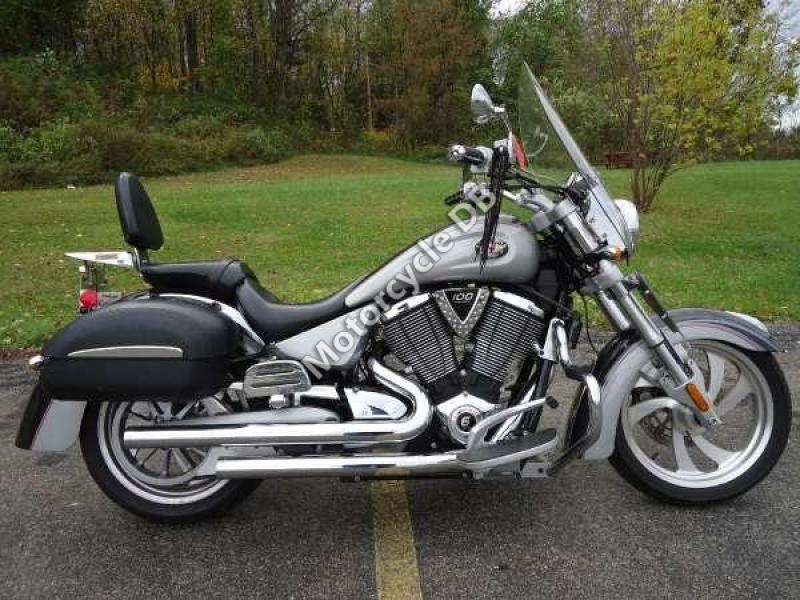
Yet, just as the established monarch reigned, a challenger emerged in the form of Victory Motorcycles, a relatively youthful brand with government-backed ingenuity. Coming into prominence during this era, Victory sought to redefine what an American cruiser could be. Model lines such as the Victory Touring Cruiser offered riders a blend of aggressive design and contemporary technology, staking a middle ground between tradition and innovation. The V-twin engine architecture, while still a nod to classic cruiser roots, was executed with modern engineering finesse, resulting in smoother power delivery and increased torque. The muscular stance, coupled with forward-leaning ergonomics, gave the Victory the air of a street warrior rather than a mere nostalgia-hound.
It’s worth noting that Victory’s strategy aimed squarely at Harley’s crown, but instead of mimicking, it strived to surpass. The brand’s focus on rider comfort was evident in the nuanced suspension tuning and plush seating arrangements, and the extensive use of aluminum and composites kept weight surprisingly low for such substantial machines. Victory cruisers sought to blend brute power and refined comfort, attempting to court riders who craved performance without sacrificing the laid-back cruiser vibe. Would this hybrid approach be enough to tilt the scales in Victory’s favor during this competitive period?
In the midst of American heavyweight clash, Kawasaki offered a distinctly different flavor from the Far East. The Kawasaki Vulcan series, notably the Vulcan 1600 and 2000 models, brought a fusion of Japanese engineering precision and cruiser sensibilities that appealed to a uniquely global demographic. Kawasaki’s success lay in combining high-revving performance with cruisers’ traditional relaxed ergonomics. The Vulcan 2000 stood out as one of the most powerful cruisers available at the time, boasting an intimidatingly large inline four-cylinder engine—a stark contrast to the V-twin dominance of Harley and Victory.
This divergence from the V-twin norm gave Kawasaki a unique selling proposition: speed and agility meshed seamlessly with cruiser comfort. The sleek, futuristic styling set the Vulcan apart not just visually, but philosophically, from its American counterparts. Advanced suspension systems and liquid cooling technology provided a riding experience almost sportbike-like in finesse. The Vulcan’s approach invited a question: could Japanese high-performance engineering redefine what a cruiser could be, or was it straying too far from cruiser orthodoxy to win loyal hearts?
At the heart of this competitive tableau lies the elemental appeal of cruiser motorcycles—the ability to offer both spirit and substance. Harley’s charm emanated from its rich historic tapestry and cultural cachet. Victory painted the cruiser in broader brushstrokes of power and modern comfort, while Kawasaki wielded its technological edge with precision and performance. Each manufacturer’s distinct technical choices shaped the riding experience uniquely. Harley’s air-cooled, pushrod V-twins honored time-tested simplicity but came with a heavier chassis. Victory adopted a liquid-cooled V-twin designed for torque-rich output and enhanced rider ergonomics. Meanwhile, Kawasaki outfitted its cruisers with water-cooled, multi-cylinder engines that delivered outsize horsepower and remarkable responsiveness.
Understanding the subtle divergences in design philosophy requires a closer look at their touring capabilities and rider accommodation. Harley’s lineup was tailor-made for long, leisurely excursions down scenic roads, often outfitted with plush seats, windshields, and saddlebags — features that made extended journeys as comfortable as possible. Victory didn’t shy away from touring ambitions, offering comparable amenities but with a contemporary twist: streamlined storage options and ergonomics geared toward a younger, more spirited rider. Kawasaki’s Vulcan series, while capable on lengthy rides, leaned toward a more dynamic riding posture, favoring engagement over relaxation, which sometimes divided opinion over its true cruiser credentials.
With performance, comfort, and style weighed carefully on the scale, price played a covert yet significant role in the cruiser battle. Harley-Davidson’s established reputation came with premium pricing that reflected its status and craftsmanship. Victory positioned itself as a compelling alternative by offering many of the same speculated benefits at accessible prices, a strategic move to undercut Harley’s dominance. Kawasaki, leveraging mass production efficiencies and Suzuki’s engineering might, often landed the most budget-friendly options, inviting newcomers and performance enthusiasts into the cruiser fold without excessive financial burden.
So, who truly won this multifaceted contest during 2005 and 2006? The answer may prove elusive and perplexing, largely dependent on what the rider values most. Harley-Davidson was the choice for those who thirsted for authenticity, legacy, and unmistakable character. Victory emerged as a bold contender targeting those who craved power married with modern comfort and style, daring to be different in a crowded marketplace. Kawasaki appealed to riders seeking a synthesis of cutting-edge technology with cruiser practicality, comfortable in deviating from tradition to embrace the future.
In the end, the cruiser battle between Harley, Victory, and Kawasaki was less about declaring a definitive victor and more about celebrating diversity within a beloved motorcycle genre. It posed a delightful challenge: can the stalwart soul of the classic cruiser evolve without losing its essence? Can newer designs honor heritage while forging new paths? For riders back in 2005 and 2006 and for enthusiasts even today, this trifecta of choices ensures that the open road remains as vibrant and contested as ever—each machine whispering to the rider, “Which side will you ride on?”