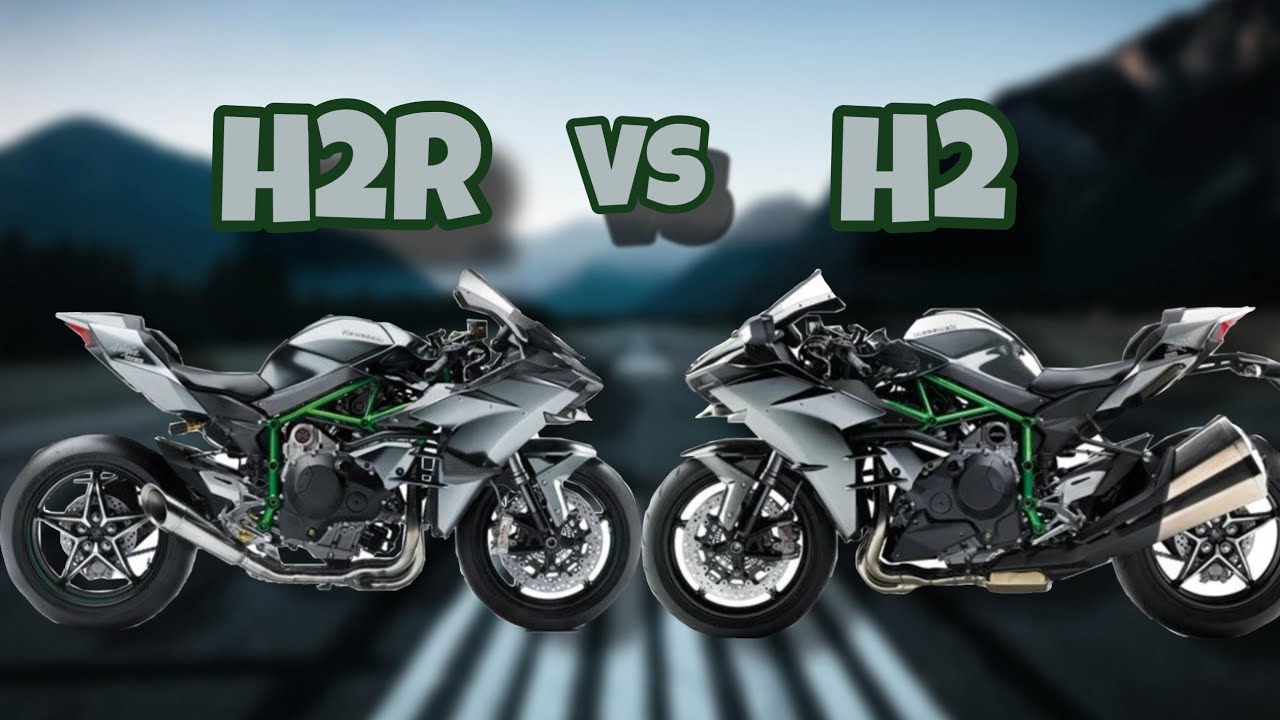
In the pantheon of iconic motorcycles, few rivals evoke as much reverence and spirited debate as the Kawasaki H2 and the Kawasaki Z1. Standing as colossi in the landscape of classic two-wheelers, each machine encapsulates a distinct philosophy, a unique spirit, and an unmistakable aura that commands attention on the asphalt stage. The clash between these titans is reminiscent of celestial bodies orbiting the same firmament—both dazzling, yet each distinguished by its own radiant glow. To understand which classic Kawasaki rules the road, one must dive deep into the intricate ballet of engineering prowess, cultural impact, and timeless appeal that defines the H2 and the Z1.
Emerging in the early 1970s, the Kawasaki Z1, often hailed as the “King of Motorcycles,” was a revolutionary force that reshaped the performance benchmark for street machines. Its inline-four engine, a masterpiece of mechanical architecture, unleashed an intoxicating 900cc displacement with a raw, unfiltered vigor that sent ripples through the motorcycle community. This wasn’t merely a bike; it was an aggressive statement of intent, wrapped in classic styling that married functionality with undeniable charisma. The Z1’s design reflected an era where charm and brute strength courted each other; chrome-plated exhaust pipes glinting like sabers, a sculpted fuel tank that seemed carved by wind itself, and a chassis that promised stability and agility in equal measure.
The H2, by contrast, emerged as an enigmatic sphinx in Kawasaki’s lineage. Dubbed the “Mach IV,” this 750cc two-stroke triple-engine motorcycle was a visceral experience—an explosive cocktail of power and speed that bordered on the mythic. It screamed rebellion and unadulterated thrill, an untamed stallion that echoed through canyons and deeply embedded itself into the lore of motorcycling. Where the Z1 dazzled with its precise engineering and balanced character, the H2 roared with a primal ferocity, operating on the razor’s edge between control and chaos. Its distinctive triple exhausts, the aggressive stance, and the high-revving engine created a sensory symphony that was as much heard as felt.
Comparing these leviathans of the past is akin to juxtaposing a finely tuned Stradivarius violin against a fierce tribal drum. Both command presence, yet their calls and cadences serve different purposes and resonate differently with aficionados. The Z1 is the embodiment of smooth, reliable power—a motorcycle that could be both a daily commuter’s steadfast steed and the meanest showstopper on the block. Its inline-four configuration delivers a gratifying crescendo of power with ample torque that feels cultivated rather than combustible. The H2’s two-stroke triple, however, is a lightning strike—sudden and electrifying, catapulting riders into an adrenaline-soaked state with a brutal mid-range surge that made it infamous for its challenging chassis and torque-induced wheelies.
Technological innovation further carves their legacies apart. The Z1’s engineering innovations, such as the sophisticated oil pump system and the six-speed transmission, contributed to a riding experience that was balanced, precise, and ahead of its time in reliability. Its design ethos focused on harnessing power with subtlety and grace, delivering what many consider the perfect fusion of performance and everyday practicality. The H2, eschewing subtlety for thunderous might, utilized a lightweight, high-tuned frame paired with a potent powertrain that made it a formidable contender on straight roads and strips. Yet, this came at the expense of refined handling—it was a wild stallion showcasing Kawasaki’s mastery over torque and acceleration, demanding respect and expertise in equal measure.
Beyond the mechanical, the cultural footprints of the Z1 and H2 are as contrasting as their engines. The Z1 became a symbol of a maturing motorcycle culture, where riders sought to blend power with versatility, forging a new identity for street riding that embraced both practicality and performance. It was a cultural insurgent, breaking the mold while still accessible enough to bring motorcycle enthusiasm into the mainstream. The H2, in contrast, became a cult icon, attracting a niche of thrill-seekers who revered its volatile nature and dominant street presence. Riding the H2 was akin to mastering a mythical beast—thrilling, dangerous, and wholly rewarding. It embodied the audacity and rebellious spirit of the early 1970s, a motorcycle designed for those who craved the edge.
Design-wise, the Z1 wears its classic aesthetics like a tailored suit. Timeless and poised, its lines flow with an understated grace that has aged with refinement rather than abandon. It whispers elegance, yet beneath the surface simmers controlled power that can be unleashed with confidence. The H2, on the other hand, proudly wears the aggressive aspects of its personality—sharp angles, bold graphics, and an unmistakable triple exhaust that acts like a signature. It does not hint at subtlety but rather shouts its character with unabashed fervor. Its aesthetic is visceral, embodying the very essence of adrenaline and risk.
Choosing which classic Kawasaki rules the road ultimately boils down to the rider’s core desire. For those who pursue a harmonious blend of style, reliability, and performance that can smoothly transition from urban streets to spirited backroad rides, the Z1 remains a sovereign choice. It is the quintessential classic, where sophistication meets muscle, and vintage charm is married to engineering excellence. Conversely, those who seek an intoxicating rush, who want to feel the pulse of the past in every twist of the throttle, and who embrace the untamable spirit of motorcycling will invariably look towards the H2. It is a declaration of daring, a machine that refuses to be tamed and demands full immersion.
In the end, the rivalry between the Kawasaki Z1 and H2 is less about supremacy and more a celebration of diversity within a legendary lineage. They are two sides of the same coin, each illuminating different facets of motorcycle heritage and human passion. Whether it’s the measured roar of the Z1 or the explosive fury of the H2, both classics continue to captivate, inspire, and rule the hearts of motorcycle enthusiasts across generations. Like a timeless duel between thunder and velvet, power and poise, the Kawasaki H2 and Z1 remain eternal monarchs of the road.