Motorcycling is not merely a mode of transportation; it is a profound expression of freedom, adventure, and personal identity. Within this exhilarating world, few have left as indelible a mark as Harold, a figure whose legacy continues to shape the very ethos of motorcycling. As we delve into the intricate tapestry of his influences, we unearth the stories of other notable riders who have, in their own right, transformed the landscape of this exhilarating pastime. Together, they embody a spirit that transcends the mere act of riding; they evoke a powerful narrative that celebrates passion, innovation, and camaraderie.
What is it about two wheels and an engine that captivates the hearts of so many? As we remember Harold and his contemporaries, consider this playful challenge: can you name a rider whose story resonates with you, perhaps compelling you to venture out and explore the open road anew? Let us embark on a journey through the annals of motorcycling history, illuminating the legacies that inspire riders worldwide.
Harold’s contribution to motorcycling is multifaceted. He was not only a skilled rider but also an innovator whose passion for performance pushed the boundaries of what was possible on two wheels. His philosophy—pushing the limits while respecting the craft—has become a foundational principle for many who seek to emulate his spirit. Harold embraced the elements, often challenging the stigma that motorcycling was a pastime solely for the reckless. Instead, he portrayed it as a disciplined art form, requiring finesse, skill, and an intimate connection with the machine.
In tandem with Harold’s spirit, we encounter the legend of Burt Munro, a name etched into the annals of speed and determination. Munro, an emblematic figure from New Zealand, became a household name when he set the land speed record for motorcycles at the Bonneville Salt Flats in 1967—on a machine that was decades old. His perseverance in the face of adversity and his obsession with speed served as an irrefutable testament to the passionate bond between man and machine. Munro’s simple yet profound belief, “If you’re not enjoying it, there’s no point,” echoes the sentiments we associate with Harold as well: the joy of riding is paramount.
As we transition from one symbol of passion to another, we encounter the trailblazer named Ella Hoadley. Breaking barriers in a male-dominated world, Hoadley not only rode but also organized races. She inspired generations of women to embrace motorcycling not just as a hobby but as a powerful form of self-expression and empowerment. Hoadley’s legacy challenges us to consider: how has the inclusion of diverse voices in motorcycling enriched the community? It’s a poignant reminder of the collective strength that unfurls when individuals unite under the banner of shared interests.
Moreover, we gaze upon the storied legacy of Ewan McGregor, whose ardor for travel has redefined the way we perceive long-distance motorcycling adventures. His globetrotting journeys, chronicled in the documentaries “Long Way Round” and “Long Way Down,” have inspired countless riders to embrace the wanderlust that comes with hitting the open road. McGregor’s approach portrays motorcycling as an avenue not merely for transportation, but as a connector of cultures, experiences, and memories. If Harold’s legacy is built on pushing the limits, then McGregor’s fantastic voyages serve as a reminder of the wanderer’s quest for connection in our ever-fragmented world.
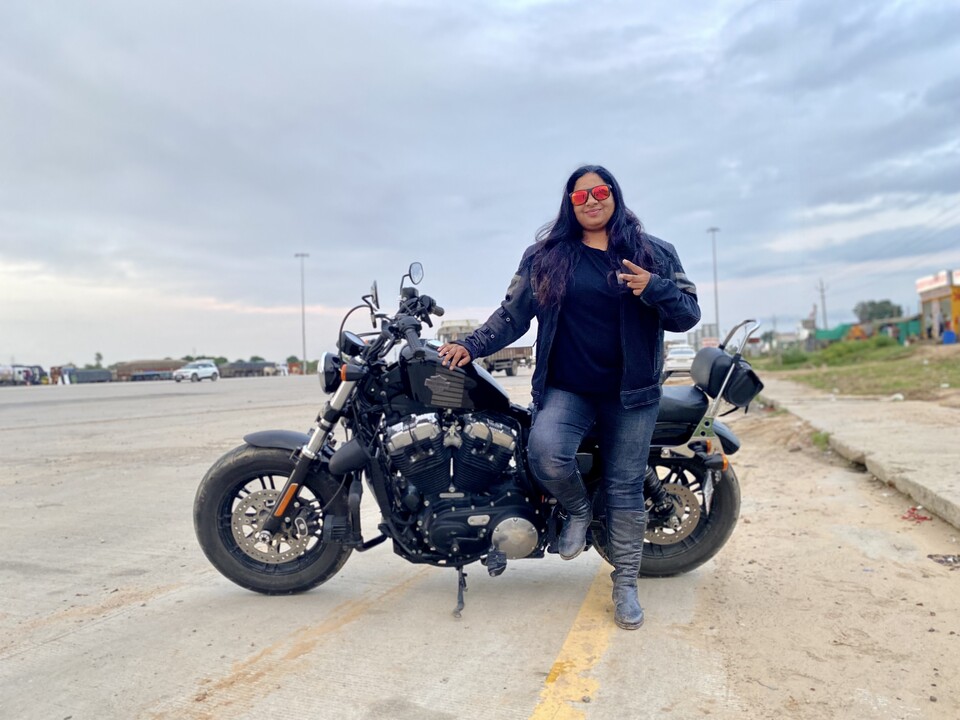
This notion of connection resonates deeply, as we also honor the legacy of women riders across generations. In the face of adversity, these trailblazers have carved paths for themselves and others. Take, for instance, Maria Costello, the first woman to race solo at the Isle of Man TT. Her journey is a narrative of resilience and the relentless pursuit of dreams. As we reflect on these courageous figures, whose stories imbue the spirit of motorcycling with unwavering authenticity, we pose yet another challenge: can you think of a woman rider whose story inspires you to push your own boundaries?
The technical prowess and artistry of the riding culture cannot be overlooked either. Iconic figures like Jay Leno extend the narrative from merely riding to embracing the art of motorcycle restoration and collection. His garage serves as a veritable museum, honoring the history and craftsmanship behind each motorcycle. Leno’s philosophy fosters a deep appreciation for the artistry involved in these machines, highlighting how motorcycle culture celebrates both function and form. His contributions provide an analytical lens into how the mechanical intricacies elevate the entire motorcycling experience.
Lastly, we must not forget the community built around motorcycling. Events such as the Sturgis Motorcycle Rally have cemented their place in our collective memory, epitomizing the sense of fellowship shared among riders. These gatherings celebrate not only the machines but the stories, the camaraderie, and the challenges overcome to ride. The essence of motorcycling exists in this nebulous space of fellowship and shared passion. So, let’s ponder this idea: when was the last time you forged a connection with a fellow rider, exchanging laugh-filled stories about the thrill of the road?
As we embrace the narratives of Harold and other influential riders, we weave a rich tapestry of memory, adventure, and inspiration. These stories ignite the spirit of motorcycling within us all and serve as a clarion call to the next generation of riders. We invite you to contemplate how you can contribute to this vibrant legacy, to inspire and empower others on their own journeys. After all, every ride tells a story; what will yours be?