There’s something almost poetic about a Harley chopper rolling chassis—a skeletal symphony of steel and dreams, where raw power hums in the silence of unfinished potential. It’s not just a frame; it’s a manifesto of rebellion, a canvas for the rider’s soul to paint in chrome and leather. But like any masterpiece, it demands precision. Truing a rolling chassis isn’t just about straightening metal; it’s about coaxing harmony from chaos, transforming a jumbled assembly of tubes into a machine that purrs with purpose. This isn’t a task for the faint of heart—it’s a rite of passage for those who hear the call of the open road in the clatter of wrenches and the scent of fresh oil.
The Rolling Chassis: A Symphony of Geometry and Grit
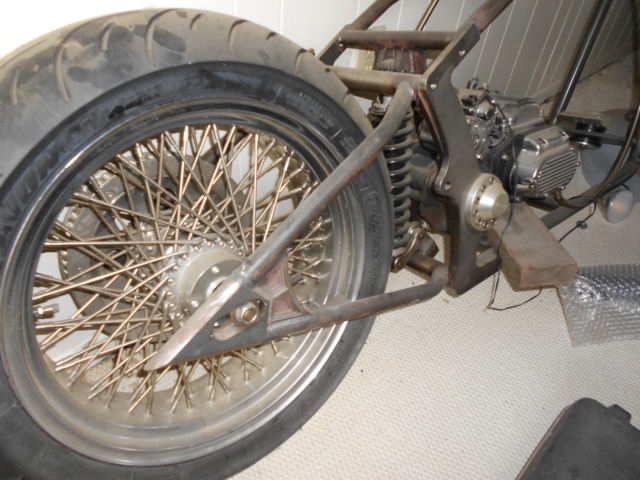
Imagine the rolling chassis as the spine of your chopper—a vertebral column of steel that must stand unyielding yet supple, rigid yet responsive. Every tube, every weld, every alignment is a note in a mechanical sonnet. When the frame twists or sags, the music turns discordant. Truing isn’t just correction; it’t a resurrection. You’re not just tightening bolts—you’re tuning an instrument that will one day roar to life beneath you. The difference between a chopper that feels like an extension of your body and one that fights you every mile is often just a few millimeters of misalignment. Precision here isn’t pedantry; it’s the difference between a machine that inspires awe and one that inspires frustration.

The Tools of the Trade: Armor for the Mechanical Knight
To true a rolling chassis, you need more than a wrench and a prayer. This is a battle of geometry, and you must arm yourself accordingly. A precision straightedge—long and unyielding—becomes your Excalibur, revealing the hidden warps in your frame. A truing stand, if you’re fortunate enough to possess one, is your throne from which you command the alignment. Dial indicators, feeler gauges, and a healthy dose of patience round out your arsenal. But remember: no tool is more potent than your own eyes and hands. A seasoned chopper builder can spot a misalignment with a glance, feeling the subtle shifts in the metal’s tension like a musician reading sheet music by ear.
Step One: The Reckoning—Identifying the Deviants
Before you can fix what’s broken, you must first acknowledge the fracture. Lay your chassis on a flat surface, or better yet, mount it on a stand where it can breathe. Run your straightedge along the backbone, the downtubes, the neck—every critical seam. Where the metal resists the edge, where light slips through like a guilty secret, that’s where the battle begins. Don’t just look; *listen*. The creaks and groans of a twisted frame are the whispers of its suffering. Mark these sins with a grease pencil, as if you’re annotating a sacred text. Each mark is a challenge, a call to arms.
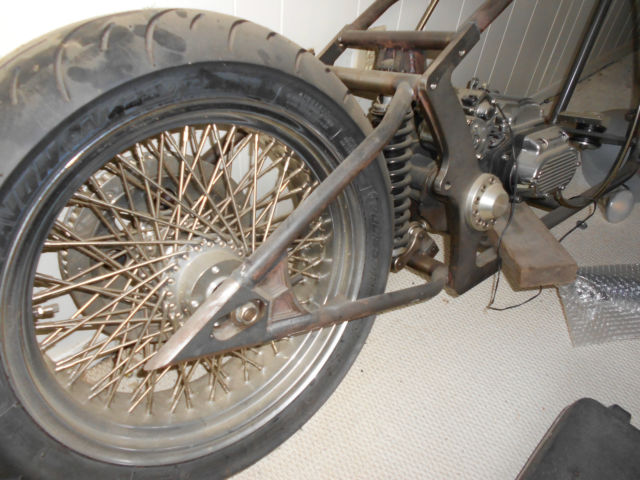
Step Two: The Correction—Bending the Will of Steel
Now comes the crucible. Steel, though unyielding, is not unbreakable. With a torch in one hand and a pry bar in the other, you become a sculptor of tension. Heat the deviant tube until it glows like a coal in a blacksmith’s forge—cherry red, then orange, then near-white. The metal softens, yielding to your will. Apply pressure with the pry bar, coaxing it back into alignment. But beware: heat is a double-edged sword. Too much, and you risk weakening the steel. Too little, and it snaps back like a rubber band. This is where experience whispers in your ear, guiding your hand. Work slowly, methodically. The goal isn’t to force the metal into submission but to persuade it to remember its true shape.
Step Three: The Verification—Ensuring the Frame Remembers Its Purpose
Once the corrections are made, the real test begins. Recheck the straightedge. Does the frame now lie flat, a perfect plane of steel? If not, repeat the process. There are no shortcuts here. A rolling chassis must be as true as a rifle barrel, as straight as an arrow’s flight. Use your dial indicator to measure the runout at critical points—the neck, the axle mounts, the backbone. Any deviation greater than a few thousandths of an inch is a failure. And remember: what you fix today may shift tomorrow. The stresses of welding, of adding components, of time itself, can reintroduce warps. This isn’t a one-and-done endeavor; it’s a lifelong dance with perfection.
The Aesthetic Imperative: Where Form Meets Function
A true rolling chassis isn’t just functional—it’s beautiful. The way the tubes align, the symmetry of the welds, the absence of wobble—it’s a visual symphony. But beauty here isn’t vanity; it’s efficiency. A frame that’s true runs smoother, handles better, and inspires confidence. It’s the difference between a chopper that looks like it belongs in a museum and one that looks like it’s ready to devour the asphalt. When you step back and admire your work, you’re not just seeing metal—you’re seeing the culmination of sweat, skill, and sheer stubbornness. This is where art and engineering collide, and the result is something transcendent.
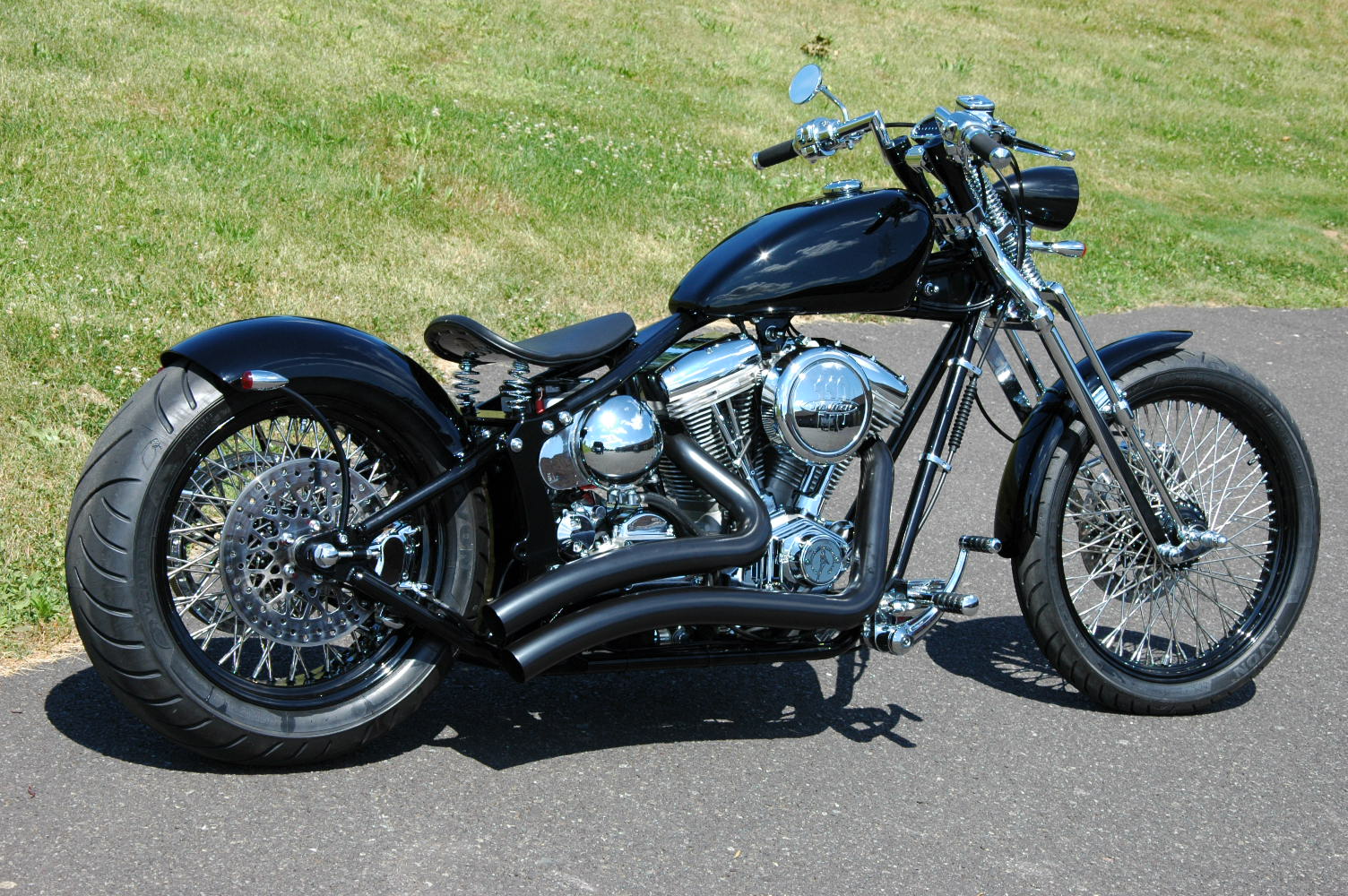
The Final Ritual: Mounting the Soul of the Machine
With the chassis true, the real magic begins. This is where the rolling chassis becomes more than just a collection of tubes—it becomes a rolling altar to the open road. Mount the engine, the transmission, the suspension. Feel the way the frame now cradles these components like a lover’s embrace. The vibrations of the engine should hum through the steel, not rattle against it. The suspension should compress and rebound with the grace of a dancer. When you finally roll the chassis out of the garage, it shouldn’t just move—it should *glide*, a mechanical ballet of power and precision. And when you straddle it for the first time, the road ahead won’t just stretch before you—it will *invite* you.
The true test of a trued rolling chassis isn’t in the workshop. It’s on the highway, where the wind howls in your ears and the engine’s song is your only companion. That’s when you’ll know: you didn’t just build a chopper. You forged a legend.