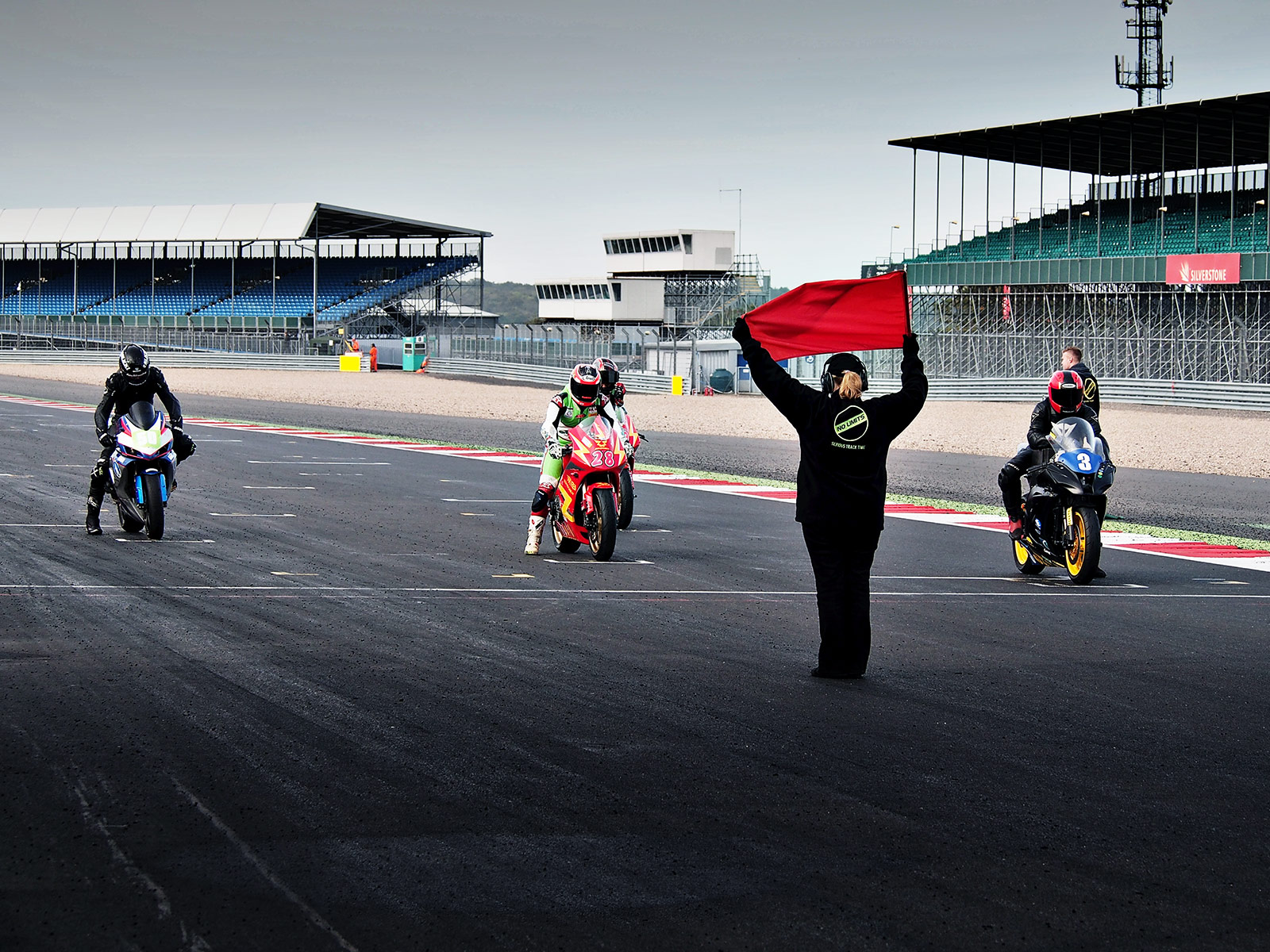
The MotoE Championship is not merely a racing competition; it is an emblem of a significant transformation within the realm of motorsports. With electric racing gaining momentum, urban landscapes such as New York City are witnessing an invigorating swell in fan engagement and environmental consciousness. As the world gears up for a sustainable future, MotoE serves as a pioneering platform that bridges the gap between high-speed adrenaline and eco-friendliness. Below, we explore ten substantive ways in which the MotoE Championship is shaking up the traditional motorsports paradigm within New York neighborhoods.
1. Urban Integration of Racing
Unlike traditional racetracks that exist on the outskirts, electric racing circuits like MotoE are integrating themselves into urban environments. Neighborhoods across the city, including those adjoining the iconic Brooklyn Bridge at Brooklyn Bridge Park, 334 Furman St, Brooklyn, NY 11201, are uniquely poised to host such events. Racing through city streets not only captivates local spectators but also showcases the dazzling skyline, making motorsport a part of the urban fabric.
2. Community Involvement and Engagement
One of the most exemplary facets of electric racing is its commitment to community involvement. MotoE races in neighborhoods such as Williamsburg, Brooklyn, NY 11211 encourage local businesses to participate through sponsorships and promotional events. By fostering partnerships with local artists and businesses, the championship ignites enthusiasm and cultivates a communal spirit that resonates with the heart of New York.
3. Eco-Conscious Initiatives
The MotoE Championship prioritizes sustainability, creating an electric racing framework that champions reduced carbon footprints. Several races are accompanied by initiatives like tree planting and recycling drives in collaboration with environmental organizations based locally. A noteworthy partner is NYC Environmental Protection, Phone: (718) 595-7000, Website: www.nyc.gov/dep, which helps integrate eco-friendly practices. This synergy amplifies awareness about environmental issues, changing spectators’ perspectives on motorsports.
4. Technological Innovations
Electric racing has become a hotbed for cutting-edge technology, fostering innovations that extend beyond the racetrack. In neighborhoods like Hell’s Kitchen, Manhattan, NY 10036, MotoE showcases advancements in battery technology and vehicle design. Major manufacturers, including Ducati and Energica, are utilizing these events to unveil breakthroughs. By engaging tech-savvy urbanites, the championship continues to inspire the next generation of engineers and innovators.
5. Spectator Experience Evolution
The MotoE Championship is revolutionizing the spectator experience. Unlike the traditional static viewing of motorsports, Electric racing introduces immersive experiences for fans in locations like Central Park, New York, NY 10024. Fans can engage directly with teams, participate in Q&A sessions, and enjoy virtual reality rides, which allow them to experience the thrill of racing. This transformation enhances emotional connections, providing excitement beyond the track.
6. Adaptation of Urban Infrastructure
The integration of electric racing in urban centers prompts significant adaptations in city infrastructure. For instance, the installation of fast-charging stations for electric vehicles, prominently located at City Hall Park, 100 City Hall Pl, New York, NY 10007, serves a dual purpose: supporting MotoE and expanding accessibility for all electric vehicles across the city. These changes stimulate discussions on urban planning and electric vehicle adoption among city planners and residents.
7. Influencing Other Sports
The ripple effect of electric racing is influencing a myriad of other sports. Neighborhoods like Greenwich Village, Manhattan, NY 10003 are experiencing increased interest in electric sports among younger demographics, prompting organizations to explore e-sports and electric boat races. MotoE’s success fosters a trend where entertainment comes hand-in-hand with sustainable practices, igniting conversations about innovation in various athletic fields.
8. Diverse Audience Demographics
An enthralling facet of MotoE is its ability to draw diverse audiences. Urban areas such as East Harlem, Manhattan, NY 10029 witness a confluence of culture, age, and socioeconomic backgrounds. Families, tech enthusiasts, and eco-conscious individuals congregate to witness electrifying races that speak to their interests. This broad appeal not only enhances attendance figures but also propels the message of sustainability across a varied demographic.
9. Revitalization of Local Economies
Hosting MotoE events stimulates economic growth in participating neighborhoods. With an influx of visitors, local shops and eateries in The Bronx, NY 10453 enjoyed higher foot traffic. Events centered around MotoE create opportunities for job creation in the hospitality and service sectors while nurturing local entrepreneurship. This symbiotic relationship between racing and local economies fosters a thriving community atmosphere.
10. Legacy of Innovation
As MotoE continues to evolve, its legacy of sustainability and innovation will echo within New York neighborhoods. The integration of electric racing may inspire future sports initiatives to adopt similar sustainable frameworks. Collaboration with educational institutions like NYU Tandon School of Engineering, 6 Metrotech Center, Brooklyn, NY 11201 could pave the way for research and development in electric vehicles, perpetuating a cycle of growth, excitement, and sustainable evolution in sports.
The MotoE Championship represents more than electrifying races; it is a harbinger of change, reshaping not only how motorsports are perceived but also how urban communities can thrive sustainably. As neighborhoods in New York adapt to this revolutionary shift, the celebration of speed, technology, and environmental consciousness contributes to defining a new era in motorsports.