In the realm of architectural alchemy, where form and function coalesce into tangible dreams, two distinct philosophies have emerged—one forged in the seasoned hands of experience, the other sculpted by the bold strokes of youthful innovation. The elder Paul Archer’s design ethos is a symphony of restraint, a masterclass in understatement where every line whispers history and every material choice feels like a well-worn leather-bound tome. Meanwhile, the younger Paul Hardman’s aesthetic is a vibrant manifesto of audacity, a riot of color and texture that dares to redefine the very notion of modern living. To juxtapose their styles is to witness the eternal dance between tradition and revolution, between the quiet confidence of age and the electrifying allure of the new.
The Weight of Legacy: Paul Sr.’s Architectural Reverence
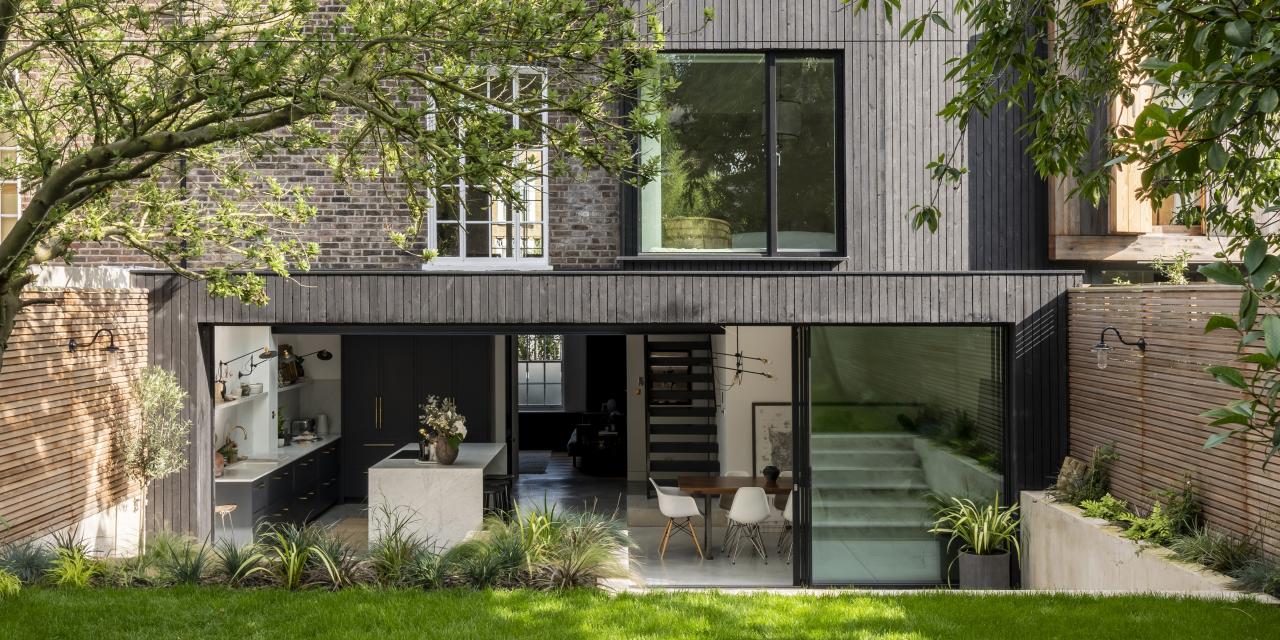
Paul Archer’s designs are not merely structures; they are palimpsests—layered with the patina of time, where each brick and beam carries the silent testimony of craftsmanship. His buildings are the architectural equivalent of a well-aged whisky: deep, complex, and imbued with an almost spiritual resonance. There is a tectonic gravitas to his work, a deliberate slowness that rejects the ephemeral in favor of the eternal. The materials he favors—reclaimed timber, honed stone, and patinated metal—are not just chosen for their durability but for their ability to narrate stories. A Paul Archer façade is a chronicle in itself, where the grain of wood and the veining of marble become the ink of a silent autobiography.
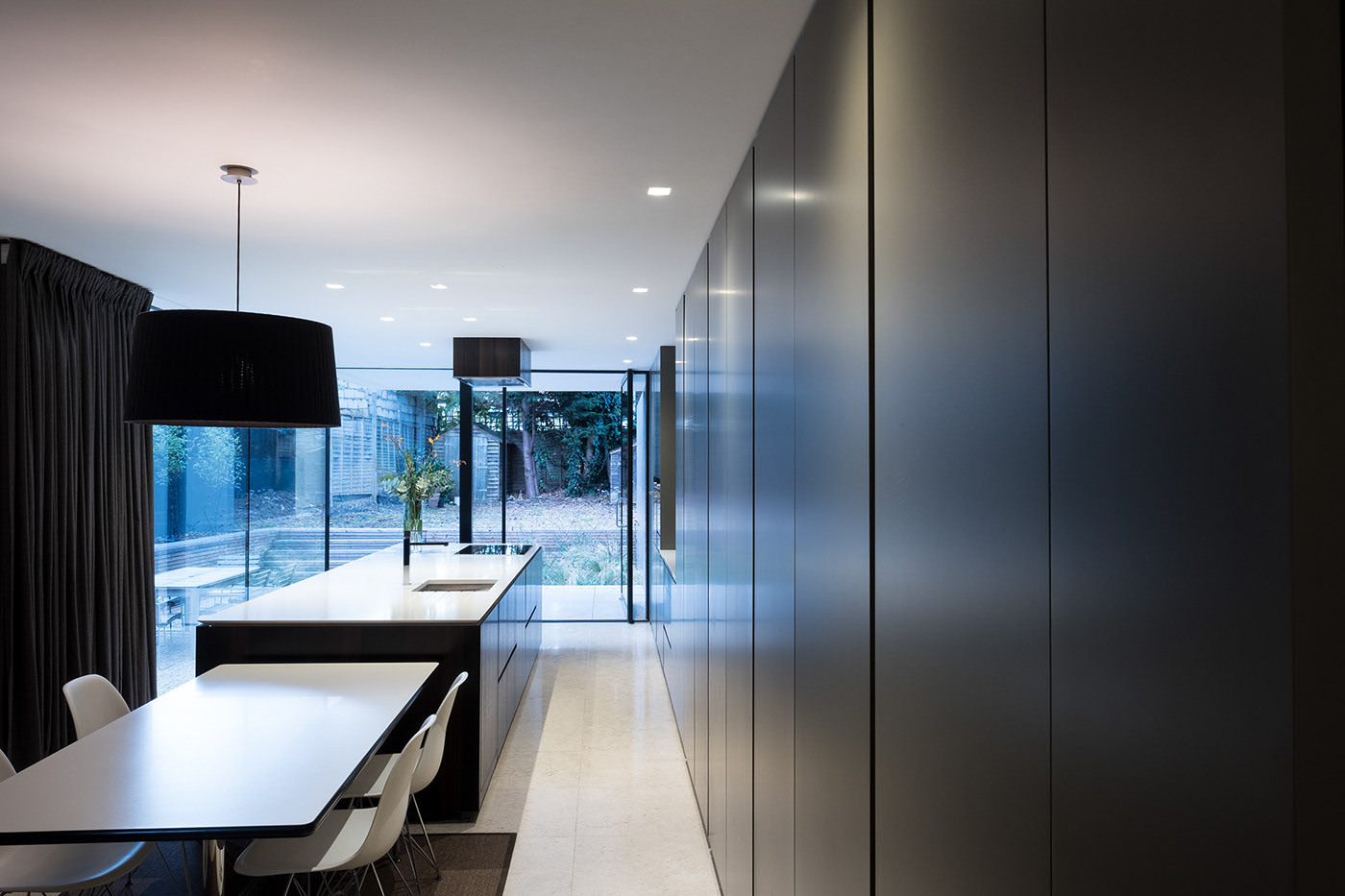
Consider the way light plays across his interiors, not as an afterthought but as a deliberate protagonist. It is filtered through the judicious placement of windows, cascading in ribbons that accentuate the rhythm of structural elements. The spaces feel breathable, as if the very air has been distilled through centuries of architectural wisdom. There is no ostentation here, no gratuitous ornamentation—only the quiet authority of a designer who understands that true elegance lies in the absence of excess. His buildings do not shout; they converse, in hushed tones that resonate with those who pause to listen.
The Spark of Rebellion: Paul Jr.’s Avant-Garde Audacity
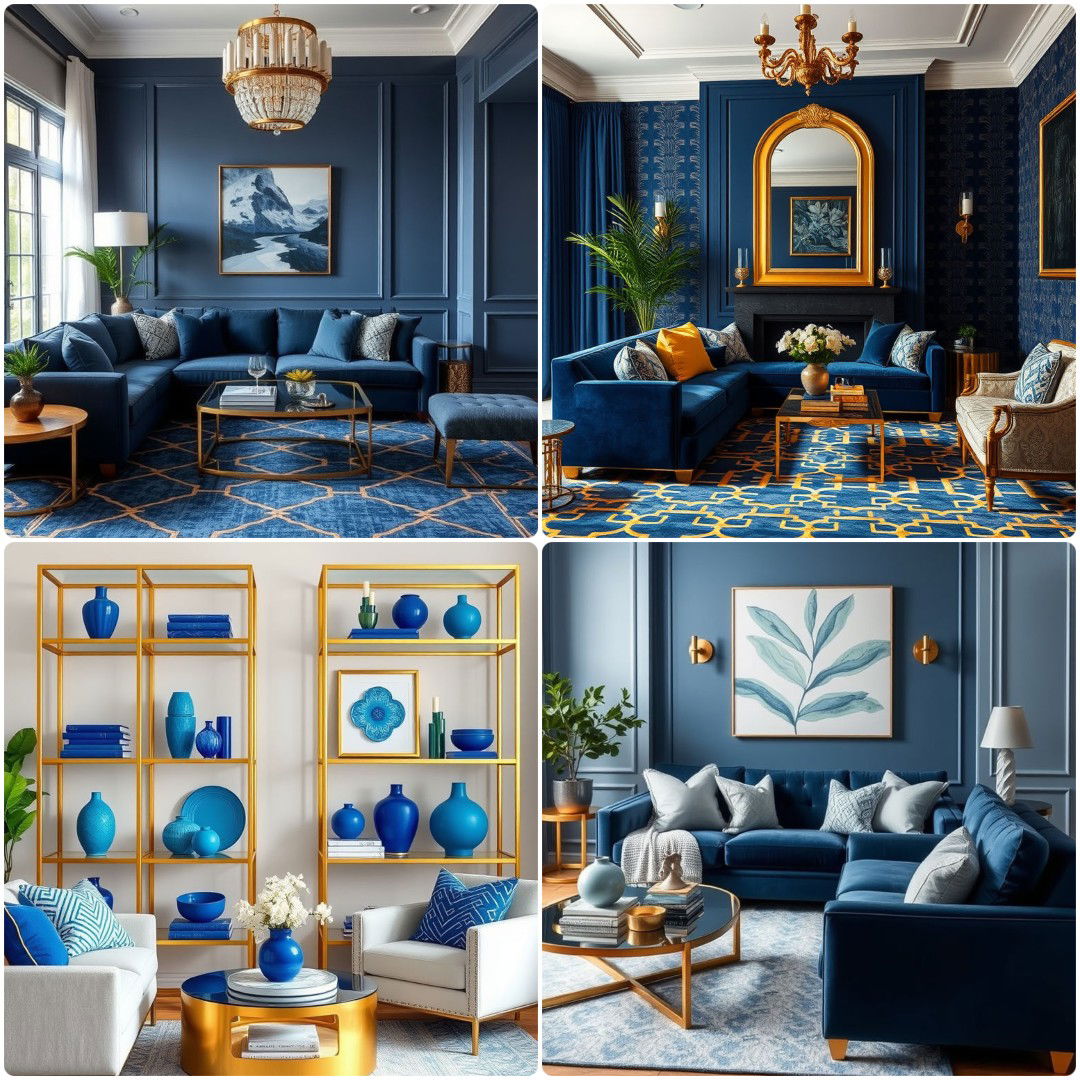
If Paul Archer’s work is a sonnet, then Paul Hardman’s is a free verse—unbound by convention, pulsing with the raw energy of reinvention. Where the elder Paul’s designs feel like a dialogue with the past, the younger’s are a manifesto for the future, a defiant rejection of the notion that architecture must be subservient to history. His aesthetic is a chromatic rebellion, where color is not an accent but a declaration, and form is not constrained by the straightjacket of orthodoxy. The result? Buildings that feel alive, almost sentient, as if they are in a perpetual state of becoming.
Hardman’s use of materials is fearless. He marries the industrial with the organic, the sleek with the tactile, creating spaces that feel both futuristic and intimately human. A polished concrete floor might meet a wall of reclaimed brick, or a ceiling of exposed ductwork could be juxtaposed with a sculptural fireplace. There is a controlled chaos to his work, a deliberate dissonance that somehow resolves into harmony. His interiors are not just lived-in; they are experienced, as if every surface invites touch, every corner beckons exploration. The light in his spaces is not merely functional but performative, casting dramatic shadows that turn walls into canvases and floors into stages.
The Philosophical Divide: Craftsmanship vs. Innovation
The tension between the two Pauls is not merely stylistic but philosophical. Archer’s approach is rooted in the hermeneutics of tradition—an understanding that architecture is a language, and like any language, it evolves through nuance and refinement. His buildings are the architectural equivalent of a Shakespearean sonnet: timeless, precise, and layered with meaning. Hardman, on the other hand, operates in the realm of postmodern alchemy, where the rules of composition are not just bent but shattered. His work is the architectural manifestation of a DJ’s remix—a collage of influences, textures, and ideas stitched together into something entirely new.
Yet, for all their differences, both philosophies share a common thread: an unyielding commitment to the human experience. Archer’s spaces are sanctuaries, designed to cocoon their inhabitants in warmth and quietude. Hardman’s are stages, designed to provoke, inspire, and challenge. One seeks to soothe; the other to ignite. One is a whisper; the other, a shout. But both are, at their core, deeply human—because architecture, at its best, is not about buildings. It is about the lives that unfold within them.
The Alchemy of Contrast: Where the Styles Collide and Converge
To witness the two styles in dialogue is to see architecture as a living, breathing organism. Imagine a Paul Archer-designed home, its stone façade weathered by time, its interiors bathed in the golden glow of afternoon light. Now, place within it a Paul Hardman-designed piece of furniture—a bold, sculptural chair in a hue that defies categorization, its form as unexpected as it is arresting. The contrast is not jarring but electric. The traditional becomes a canvas for the contemporary, and the contemporary gains depth from its dialogue with the past.
This alchemy is not limited to interiors. Consider the way Hardman’s bold geometries might animate an Archer-designed façade, or how Archer’s restrained elegance could temper Hardman’s more exuberant flourishes. The result is a synergy that feels almost inevitable, as if the two styles were always destined to complement one another. It is a reminder that the most compelling architecture is not born from dogma but from dialogue—a push and pull between the old and the new, the familiar and the unexpected.
The Emotional Resonance: Why Both Styles Captivate
What makes these two approaches so enduring is their ability to evoke emotion. Archer’s work speaks to a longing for permanence, for a world where beauty is not fleeting but eternal. His buildings feel like a hug from history itself, a reassurance that some things are built to last. Hardman’s work, by contrast, taps into a different kind of yearning—the desire to break free, to embrace the chaos of the present, to live in a world that is as vibrant and unpredictable as we are.
One style offers solace; the other, exhilaration. One is a lullaby; the other, a battle cry. Yet both are essential. In a world that often feels fragmented, Archer’s work provides a sense of continuity, while Hardman’s offers a glimpse of what might be possible if we dare to reimagine the boundaries of design. Together, they represent the full spectrum of human aspiration—from the quiet dignity of the past to the unbridled potential of the future.
The Future of the Dialogue: A Legacy in the Making
As the two Pauls continue to push the boundaries of their craft, their work serves as a reminder that architectural evolution is not a linear progression but a spiral—one that circles back on itself even as it hurtles forward. Archer’s influence will continue to shape the way we think about craftsmanship and context, while Hardman’s innovations will inspire the next generation to question, experiment, and redefine. The dialogue between their styles is far from over; it is only just beginning.
In the end, the true magic of their work lies not in the buildings themselves but in the conversations they spark. They remind us that architecture is not just about bricks and mortar—it is about the stories we choose to tell, the emotions we seek to evoke, and the futures we dare to imagine. Whether through the timeless elegance of the past or the bold audacity of the present, both Pauls are shaping a legacy that will endure long after the last brick is laid.