In the realm of fluid control systems, the terminology surrounding valves and related components often incites curiosity and at times, confusion. Among these terms, “1-inch bore valves” and “wheels” are fundamental concepts that merit careful attention. Understanding what these terms mean is essential for professionals tasked with specifying, installing, or maintaining piping systems in various industrial and commercial applications. These components are more than mere parts; they embody precise engineering and are critical to the integrity and functionality of a fluid-handling operation.
The phrase “1-inch bore valve” specifically denotes a valve with a bore, or internal diameter, measuring one inch. This bore size is not arbitrary—it directly influences flow rate and pressure drop within the system. The bore size essentially determines the cross-sectional area through which fluid passes, thereby affecting performance parameters such as velocity, turbulence, and efficiency. When a valve features a 1-inch bore, it suggests suitability for moderate-scale applications, balancing flow capacity with compactness.
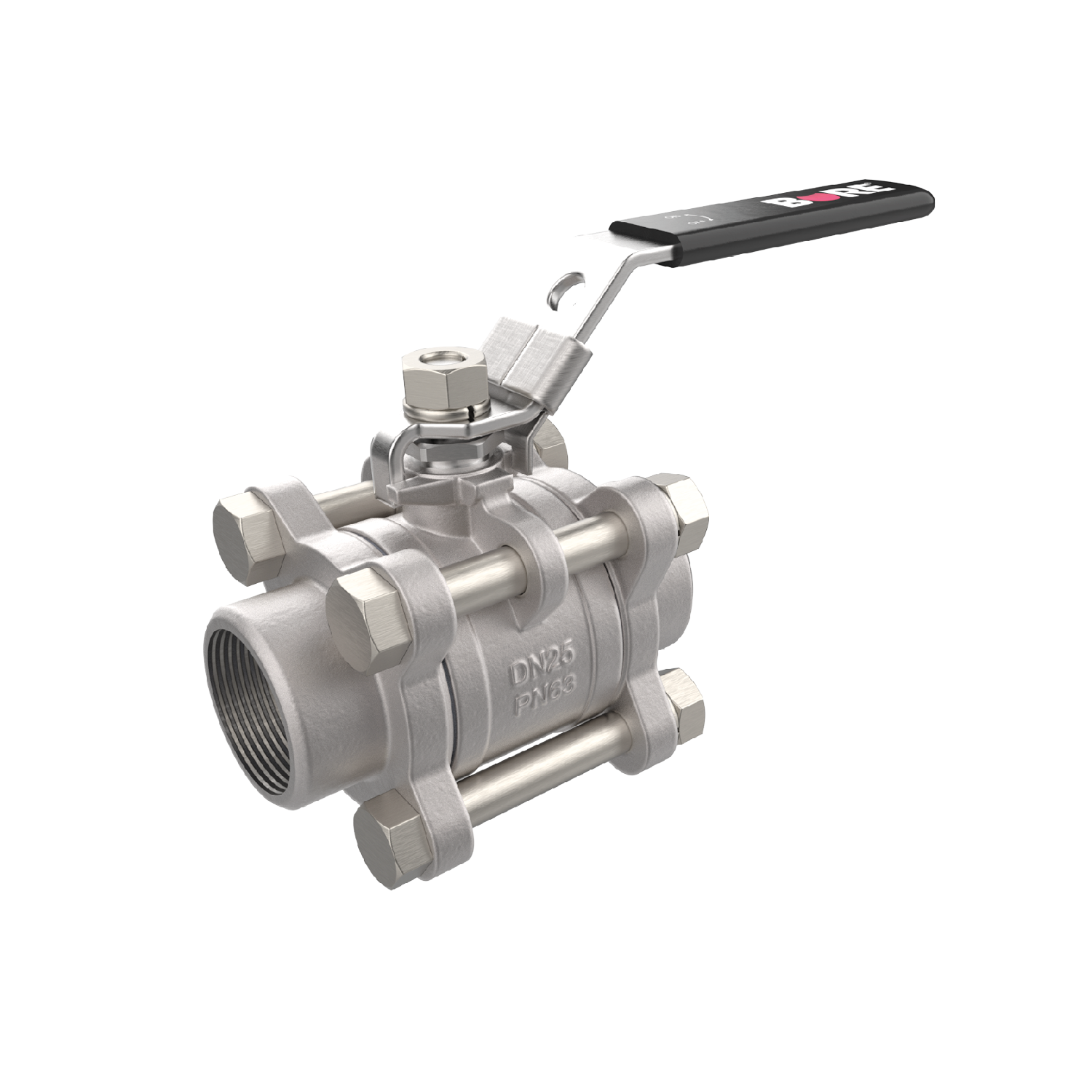
Valves come in a multitude of configurations, each tailored to distinct operational needs. Among these, the threaded ball valve is particularly noteworthy. A ball valve incorporates a spherical disc with a central hole that can be aligned with the pipe for uninterrupted flow or rotated perpendicular to the pipe to stop flow. Its threaded variant implies threaded ends for easy screw-in assembly, ideal for systems that require expedient installation or frequent disassembly. The 1-inch threaded ball valve is widely favored for its robust sealing capability and minimal pressure drop, making it an excellent selection for both liquid and gaseous media.

Different types of valves within the 1-inch bore category include gate valves, globe valves, butterfly valves, and plug valves. Each has its own unique mechanism and advantages. Gate valves, for instance, utilize a wedge-shaped gate to block flow and are preferred in applications demanding unobstructed fluid pathways. Globe valves, with their intricate seat design, excel in throttle service where flow regulation precision is vital. Butterfly valves, featuring a rotating disc, offer lightweight and cost-effective solutions, often employed in irrigation or cooling water lines. Plug valves, similar in operation to ball valves but with a cylindrical or conical plug, provide simple on/off control with quick action.
Integral to the operation of many valves, particularly gate and globe valves, is the use of a wheel or handwheel. This wheel is a manual actuator that facilitates controlled opening and closing of the valve. The wheels are often circular, allowing for ergonomic operation by enabling the user to exert torque efficiently. Wheels come in different materials such as cast iron, steel, or even plastic composites depending on the environmental conditions and mechanical requirements. Their design can include spoked styles, solid discs, or even ergonomically contoured grips for enhanced comfort during operation.
The significance of wheels transcends mere manual actuation. In situations involving high torque or frequent operation, the design and size of the wheel can significantly impact the ease of use and mechanical advantage. Larger diameter wheels provide greater leverage, reducing the physical exertion needed to manipulate the valve, which is especially important in larger diameters or high-pressure systems. Additionally, wheels may be equipped with indicators to display valve position, offering visual feedback that enhances operational safety and efficiency.
Beyond manual wheels, some systems utilize gear operators or motorized actuators, yet the traditional wheel remains a staple for its simplicity and reliability. In environments where electrical power is unavailable or where precision manual control is favored, the wheel endures as the primary interface for valve operation.
When selecting a 1-inch bore valve and corresponding wheel, several vital considerations must be kept in mind. Material compatibility is paramount; valves and wheels must withstand the chemical nature, temperature, and pressure of the fluid they control. For corrosive media, stainless steel or specialized alloys may be requisite, whereas standard applications might accept brass or carbon steel. Seal integrity is another crucial factor—valves must ensure leak-tight closure, often achieved with resilient seats or sophisticated sealing systems. The mechanical design of the wheel and valve stem dictates operational longevity; materials and construction must accommodate repetitive cycling without wear-induced failures.
Installation aspects also influence the choice. Threaded connections, while convenient, have pressure and temperature limitations. In scenarios demanding higher performance, flanged or welded connections might be preferable, although these often forego the simplicity of wheel-actuated hand valves. Maintenance protocols require selecting valves and wheels that facilitate easy access for lubrication, adjustment, or replacement, thereby minimizing system downtime.
In applications ranging from residential plumbing to complex chemical processing plants, the interplay between the 1-inch bore valve and its wheel impacts system reliability and efficiency profoundly. Precision in sizing and component selection enhances flow control, reduces operational costs, and prevents failures that could have safety implications or economic consequences.
Moreover, technological advances have seen the integration of smart features with traditional valves and wheels. Sensors embedded in valve stems can relay position data in real time, while augmented ergonomic designs improve user experience. Nevertheless, the fundamental principles governing 1-inch bore valves and wheels remain rooted in mechanical engineering and fluid dynamics, emphasizing the importance of foundational knowledge in their application.
In conclusion, the concepts of 1-inch bore valves and wheels encapsulate a critical segment of fluid handling infrastructure. Their design, selection, and operation combine intricate technical considerations with practical usability factors. Recognizing the diversity of valve types, the functional role of wheels, and the underlying engineering principles equips professionals with the insight necessary to optimize their systems. Whether ensuring flow regulation, safety, or operational longevity, the judicious use of these components reflects a harmonious blend of science and craftsmanship intrinsic to modern fluid control technology.