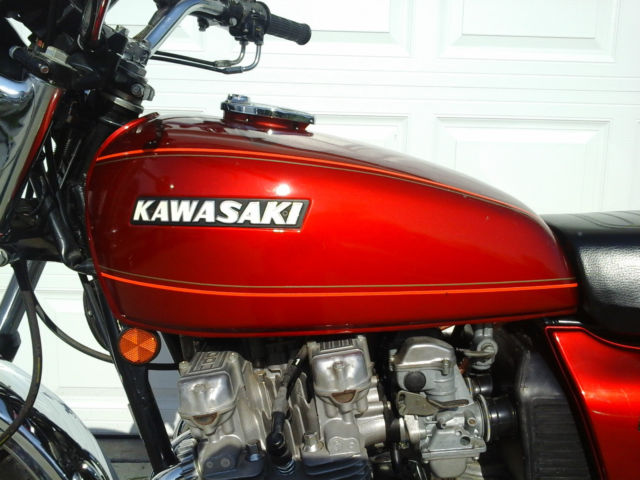
What defines a superbike? Is it the roaring power, the sleek aerodynamic lines, or the undeniable street presence that commands attention at every corner? If you were to ask many motorcycle enthusiasts, the 1977–1978 Kawasaki KZ650 might initially slip under their radar. Yet, beneath its seemingly modest exterior lies a machine that challenges conventional notions of performance and style—a veritable sleeper superbike whose prowess remains understated but undeniable.
At first glance, the Kawasaki KZ650 from the late 1970s might not dazzle with the audacious flair seen in its contemporaries from the era. However, this very restraint cloaks an engineering marvel, a motorcycle whose balance and performance rival many of its flashier peers. The term “sleeper” is especially apt here; a motorcycle that doesn’t solicit attention with ostentatious wildness but delivers an exhilarating ride that belies its appearance.
To truly appreciate the KZ650, one must delve into its mechanical heart. Powered by a robust 652cc, four-stroke, air-cooled inline four-cylinder engine, the KZ650 struck an impressive balance between power and manageability. The engine’s design, rooted in Kawasaki’s engineering mastery, allowed for smooth power delivery across a broad rev range. Unlike some high-strung sportbikes that demand constant attention at high RPMs, the KZ650 maintained versatility, making it suitable for both spirited rides and everyday commuting.
Equipped with a 5-speed transmission, this motorcycle enabled riders to wield its power with precision. The close-ratio gearbox complemented the engine’s characteristics, allowing quick, seamless shifts that kept the momentum alive whether navigating tight corners or cruising on open highways. This drivetrain setup played a pivotal role in the bike’s reputation as a finely balanced performer rather than a mere brute force machine.
Beyond the engine, the KZ650’s chassis and suspension system deserve equal accolades. Kawasaki engineered the frame to provide both rigidity and agility—two seemingly contradictory attributes that the KZ650 masterfully combined. The double cradle steel frame lent durability and strength, while the suspension, with its telescopic forks up front and dual shock absorbers at the rear, smoothed out bumps and maintained confidence-inspiring handling. When combined, these elements furnished the rider with a motorcycle that felt steady and predictable, yet lively and responsive.
One might ask: can a bike that doesn’t ostentatiously parade its superior hardware still be thrilling? The Kawasaki KZ650’s braking system, featuring dual front disc brakes and a rear drum, may seem conventional today but was quite advanced for its time. The dual discs at the front offered improved stopping power and fade resistance, crucial when pushing the bike to its limits. It ensured that riders could rein in their enthusiasm safely, adding a layer of practical appeal to the KZ650’s enticing performance package.
The aesthetics of the KZ650 subtly hinted at its true capabilities, though some might dismiss it as an unremarkable artifact from another era. Its clean lines, elongated fuel tank, and modestly sculpted seat combined to create a look that was understated yet purposeful. The bike wasn’t trying to be a wild streetfighter or a race replica; rather, it offered a timeless design that focused on functionality and rider comfort. For many, this low-key appearance amplified its sleeper status, as those who understood the machine’s virtues knew that real thrills weren’t always wrapped in flamboyant paint jobs or aggressive bodywork.
Performance was further enhanced by the KZ650’s weight, which hovered around 430 pounds dry. This weight was substantial enough to lend stability but not so heavy as to crush the bike’s agility. In real-world riding conditions, the KZ650 handled with surprising nimbleness. Whether weaving through traffic or carving through backroads, the motorcycle kept its composure and rewarded riders with a communicative experience—one where feedback was clear and confidence abundant.
The KZ650’s fuel capacity, approximately 3.2 gallons, complemented its fuel-efficient engine. This was no hyper-economical commuter, but the range was sufficient for spirited rides without constant refueling interruptions, enhancing its appeal for touring aficionados and daily riders alike. Additionally, maintenance was relatively straightforward, with the KZ650’s mechanical simplicity ensuring that owners could keep their bikes in prime condition without exorbitant costs or complexities.
Amid the blistering landscape of late 1970s motorcycles, where brands vied for supremacy with ever-increasing horsepower and radical styling, the Kawasaki KZ650 carved its niche. It didn’t engage in the numbers race entirely, but instead struck an equilibrium that combined reliability, performance, practicality, and understated charm. This blend made it a favorite among riders seeking a genuine motorcycling experience without the need for constant upgrades or compromises.
What, then, truly makes the 1977–1978 Kawasaki KZ650 a sleeper superbike? It’s the exquisite subtlety with which it balances form and function. It poses a quiet challenge to riders and observers alike: can you appreciate a motorcycle that doesn’t shout but whispers power, agility, and resilience? This challenge enhances the bike’s mystique and cements its place in motorcycle history as a machine that rewarded discernment and riding skill over mere spectacle.
Decades after its initial release, the KZ650 continues to captivate collectors and riders who prize authenticity and timeless performance. Its legacy endures not because it reinvented the wheel but because it perfected the ride. The Kawasaki KZ650 is a testament to the notion that superbikes come in many guises—not all loud and showy, some are quiet warriors ready to surprise and delight those willing to embrace them.
In sum, the 1977–1978 Kawasaki KZ650 is a compelling case study in motorcycle design where subtlety meets substance. It poses a playful question to today’s motorcyclists: Are you ready to unearth the thrills hidden beneath a seemingly nondescript exterior? To master the art of riding a true sleeper superbike? For those who dare to answer, the KZ650 promises a rewarding journey that transcends time and trends.