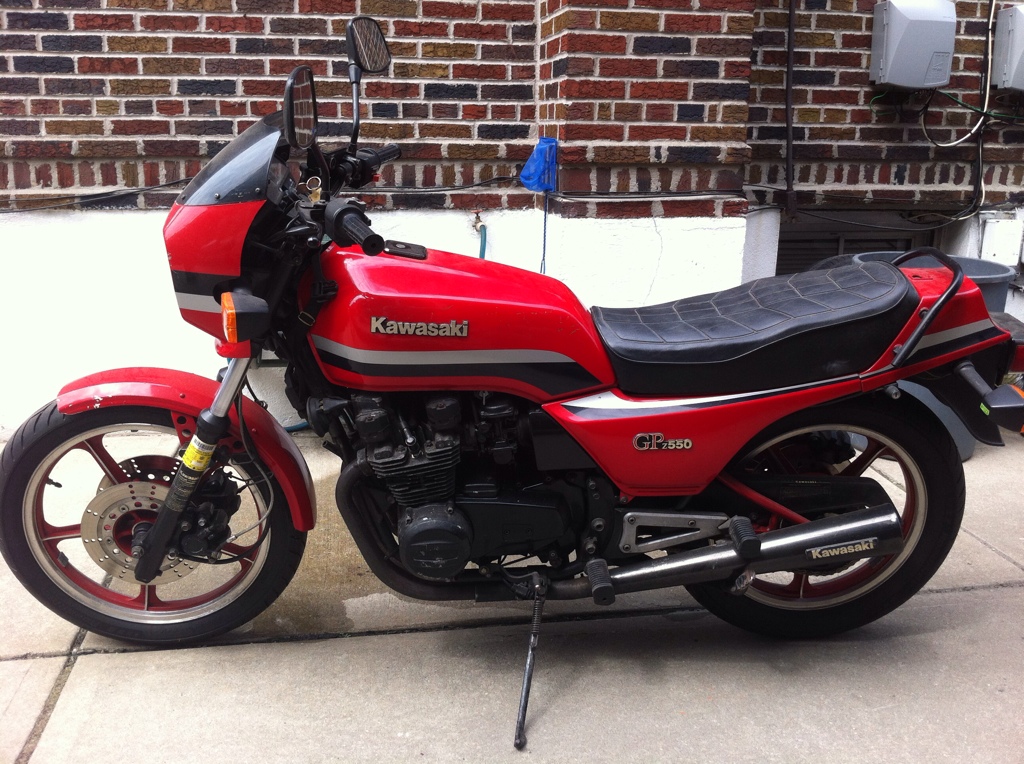
The 1982 Kawasaki GPZ550 holds a distinguished place in motorcycle history, often revered by enthusiasts and casual observers alike as one of the seminal sportbikes that shaped the future of motorcycling. It is not merely a machine of mechanical prowess but a cultural artifact that encapsulates the transformative spirit of the early 1980s. Beyond its striking aesthetics and technical specifications lies a profound fascination that continues to captivate riders and collectors decades after its debut.
Examining the GPZ550 invites reflection on why this model stands apart amid the vast array of sportbikes produced before and after it. The immediate allure is clear: its sleek, aerodynamic form factor coupled with engineering innovations marked a quantum leap in performance and style. Yet, the intrigue broadens when one contemplates how this motorcycle served as a harbinger of modern sportbike design philosophies, blending everyday practicality with racetrack-inspired dynamism.
At the heart of the GPZ550’s appeal is its groundbreaking application of technology. The 1982 iteration featured a liquid-cooled, DOHC inline four-cylinder engine, an engineering marvel that delivered a balanced fusion of power and control. This powerplant eclipsed many of its contemporaries, offering spirited acceleration that enkindled a thrilling sense of speed without sacrificing reliability—a rare feat at the time. The GPZ550’s engine output was optimized for accessible performance, making high-revving enthusiasm attainable to a larger demographic of riders rather than an exclusive subset of motocross professionals.
The frame and chassis construction also warrant attention. Kawasaki employed a rigid yet lightweight steel tubular frame that facilitated agile handling—an essential characteristic as motorcyclists began to crave machines that could confidently navigate both city streets and winding backroads. The sophisticated suspension setup featured telescopic front forks and a rear dual-shock absorber system finely tuned to communicate road feedback with precision. This combination cultivated exceptional stability and responsiveness, embedding confidence in the rider and nurturing a deeper connection between man and machine.
Stylistically, the GPZ550 broke away from the bulky, utilitarian designs of the 1970s, embracing a more contoured and aggressive stance. The incorporation of a full fairing was not merely an aesthetic choice but a functional enhancement that improved aerodynamics and reduced rider fatigue at higher speeds. Its angular lines, combined with carefully sculpted bodywork, exuded an aura of purpose and speed, signaling a new era where motorcycles were not just transportation devices but extensions of personal identity and expression.
The cultural context surrounding the GPZ550’s release also amplified its significance. The early 1980s represented a transitional period in motorcycling, where a burgeoning youth market sought machines that were both exciting and accessible. Muscle cars had begun to lose their appeal amid rising fuel prices and increasing urban congestion, redirecting enthusiasts toward nimble, efficient two-wheelers that could deliver comparable thrills. The GPZ550 emerged precisely at this crossroads, aligning Kawasaki’s engineering prowess with a shifting zeitgeist. This symbiosis legitimized the sportbike as a mainstream phenomenon rather than a niche indulgence.
Moreover, the GPZ550 holds a revered place in the narrative of motorcycle racing and performance tuning. It was a versatile platform that invited customization, an ethos embraced by a dedicated community eager to extract additional horsepower, upgrade suspension components, or experiment with weight reduction. Such modifications were not merely about making faster motorcycles but about exploring the very nature of performance riding. The GPZ550, therefore, can be viewed as a catalyst for the burgeoning aftermarket culture that continues to thrive today.
Its influence rippled far beyond its initial production run. The 1982 model set a benchmark that competitors strived to meet, expediting advancements in technology and design that defined contemporary sportbikes. By harmonizing power, agility, and aesthetic appeal, it forged a blueprint that remains relevant. This enduring legacy speaks to a mechanical and emotional resonance that transcends generations.
In understanding the GPZ550, one must also appreciate its role as a democratizer of sportbike performance. While high-displacement superbikes certainly captured headlines, the GPZ550 struck a chord with riders who sought spirited performance coupled with manageable handling and price point. It bridged the gap between entry-level motorcycles and top-tier performance machines, cultivating a knowledge and skill base that nurtured future champions of motorcycling.
More subtly, the GPZ550 embodies a philosophy of balance—between raw power and precision, between innovation and accessibility, and between form and function. This equilibrium rendered it not just a machine but a statement. It invited riders to explore the limits of their abilities and the roads they traveled, fostering a deeper appreciation of two-wheeled dynamics. In this sense, the GPZ550 transcended its role as a vehicle to become an icon of the sportbike ethos itself.
Ultimately, the fascination with the 1982 Kawasaki GPZ550 stems from its role as a progenitor of modern sportbike culture. It encapsulated a pivotal moment when engineering ingenuity met consumer desire, resulting in a motorcycle that was daring yet attainable, sophisticated yet soulful. Its impact on motorcycle design, rider experience, and cultural perception is immeasurable, securing its position as not merely another vintage bike, but as a pioneer that redefined what a sportbike could be.
As we reflect on the legacy of the GPZ550, it is clear that its enduring allure lies in more than statistics or specifications. It is reflected in the exhilaration felt when unleashing its engine’s full potential, the confidence inspired by its handling, and the pride engendered by its sleek silhouette. It is found in the collective memory of motorcycling’s evolution and in the ongoing quest for performance and style. The 1982 Kawasaki GPZ550 was not just the sportbike that started it all—it remains a timeless symbol of motorcycling’s relentless pursuit of speed, innovation, and freedom.