Can a motorcycle truly encapsulate an era of American touring without sacrificing modern versatility? The 1983 Harley-Davidson FLH and FLHT models provide a fascinating case study in this regard. These motorcycles embody a unique blend of old-school charm and robust touring capability that continues to captivate riders decades after their debut. Examining the FLH and its FLHT variant reveals not just machines built for the open road but living testaments to Harley-Davidson’s enduring legacy—the kind of motorcycles that dare one to test patience and persistence against the relentless march of technology.
The early 1980s were a pivotal moment for Harley-Davidson, a time when the company was reclaiming its identity amidst fierce competition and evolving rider preferences. The FLH and FLHT models, particularly the 1983 editions, showcased an unapologetic dedication to classic design fused with touring functionality. The “FL” prefix connotes substantial frame heft and power, central to the distinction of Harley’s big twins, while the “H” represents the high-performance evolution of this platform. The added “T” in FLHT signified the introduction of a factory-installed Tour-Pak—a luxurious, top-mounted rear storage unit that instantly marked the bike as a serious long-distance traveler.
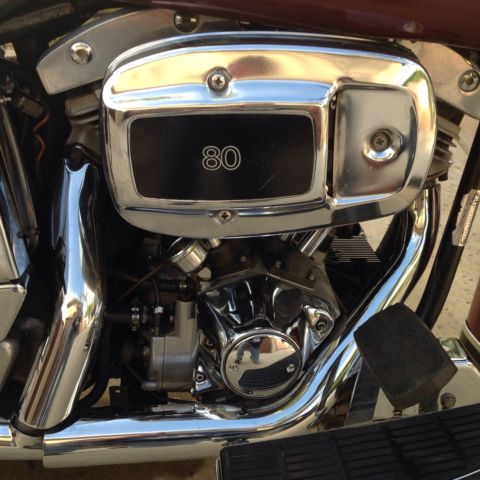
The core of the 1983 FLH and FLHT motorcycles lies in the venerable Shovelhead engine, a powerplant whose legacy spans nearly two decades. While it might seem hesitant by today’s explosive metric standards, the 1340cc Shovelhead V-twin offers a particular charm steeped in mechanical character and a distinct auditory signature. The engine’s air-cooled, overhead valve configuration, paired with relatively modest compression ratios, ensures reliability and a torque curve tailored for steady, confident highway cruising rather than frenetic acceleration. However, this is where the playful challenge arises: modern riders accustomed to instantaneous throttle responses and refined fuel injection may find the Shovelhead’s carbureted fuel delivery and mechanical simplicity both challenging and enchanting.
The 1983 FLH and FLHT models wore their touring intentions proudly, beginning with their unmistakable styling cues. Classic batwing fairings—introduced earlier in the decade—were emblematic of Harley’s touring pedigree. These fairings were not merely cosmetic; they offered wind protection, reducing rider fatigue during extended journeys. The FLHT’s addition of the Tour-Pak created valuable storage space, enhancing the motorcycle’s practical appeal for cross-country escapades, while the plush dual-seat and sprung passenger accommodations emphasized comfort over short sprints or high-speed thrills. The motorcycles exuded a solid, no-nonsense aura, steeped in chrome-laden finesse but committed squarely to function.
One cannot discuss the 1983 touring Harleys without touching upon their chassis and suspension characteristics. With a frame engineered to absorb the rigors of long-haul travel, these bikes feature telescopic front forks and dual rear shocks—a setup that delivers a compliant, albeit somewhat traditional, ride quality. While modern suspension designs may sound sophisticated in theory, the FLH and FLHT’s spring-and-damper architecture offers something more elemental: a direct connection to the road surface, demanding rider attentiveness and rewarding attentiveness with feel and feedback. It’s the antithesis of anonymity in riding experience, posing an intriguing dichotomy for those seeking both comfort and engagement.
Handling, though often labeled cumbersome by today’s standards, reveals its own kind of charisma once understood. These motorcycles do not invite sharp, aggressive turns or weaving through traffic with feline grace. Instead, they embody a steady, unhurried confidence, providing a stable platform at cruising speeds. The wide handlebars afford leverage, and the bike’s weight distribution fosters a soothing sense of security on sweeping bends and long straights alike. This unglamorous demeanor is, paradoxically, what endears them to purists who prize authenticity over artificial refinement.
From a technology perspective, the 1983 FLH and FLHT reflect the final chapters of an analog era. Mechanical drum and disc brakes provide adequate stopping power, and instrumentation is straightforward—gauges and switches evoke a bygone simplicity. This lack of electronics means the rider is constantly involved, an active participant in the machine’s operation rather than a passive user of automated systems. While this may pose a hurdle for newcomers steeped in electronic rider aids, it offers seasoned enthusiasts the gratifying control that comes from managing power delivery, braking, and suspension directly.
The sound of the Shovelhead engine deserves a thematic pause of its own. There is a raw, almost primal note that escapes from the twin exhausts—a throaty rumble that resonates under the rider like an old friend speaking in familiar tones. This acoustic signature is more than noise; it’s a soundtrack to innumerable miles, an aural invitation to slow down and savor the ride rather than hurtle toward a destination. Indeed, the FLH and FLHT ask more than just mechanical loyalty; they beckon for an emotional connection, a willingness to embrace imperfection while appreciating the unique character of these venerable machines.
Maintenance, while straightforward in a mechanical sense, reveals another layer to the challenge these motorcycles present. Carburetors require occasional tuning, valves need periodic adjustment, and understanding the idiosyncrasies of the Shovelhead’s lubrication system ensures longevity. The rider is encouraged to take on the role of caretaker—not just consumer—of the machine. This interplay of machine worship and mechanical responsibility fosters an intimate bond rare in the modern world of plug-and-play motorcycles.
In light of all this, does the 1983 Harley-Davidson FLH and FLHT continue to hold relevance today? Beyond nostalgia, these motorcycles serve as living museums of an era when touring was as much about the journey as the destination. Modern riders might challenge their practicality on extended rides or daily commuting, but the allure is unmistakable. Owning and riding one asks a rider to consciously step back from convenience and acceleration benchmarks and instead cherish engagement, craftsmanship, and historical resonance.
Ultimately, the 1983 FLH and FLHT models stand as paragons of old-school touring power. They challenge contemporary notions of efficiency and refinement, posing a playful, almost cheeky question: Are we willing to embrace the slower rhythms and mechanical nuances of past motorcycling legends? The answer lies in the hearts of riders who seek more than mere transportation—a tactile, sensory communion with a motorcycle that commands respect for its past and invites exploration of the open road on its own, timeless terms.