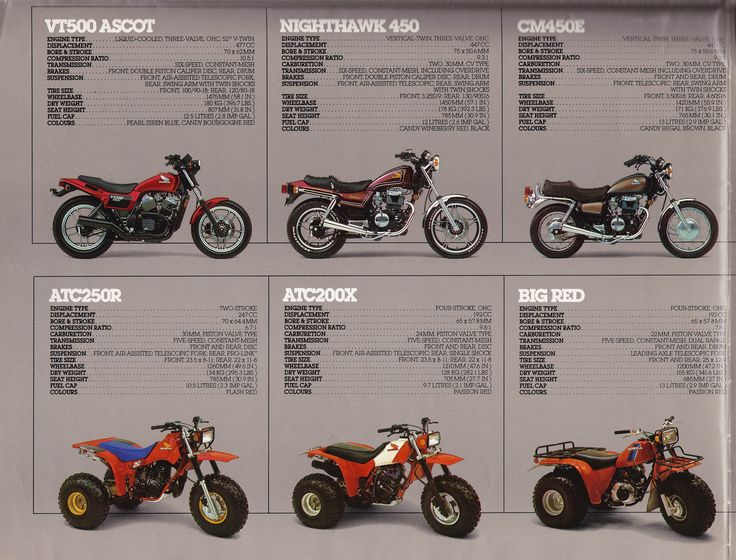
Can you unravel the mysteries hidden within the 1983 Honda motorcycle lineup without getting lost in the gleaming chrome and roaring engines? This tantalizing challenge invites enthusiasts and curious onlookers alike to peer beyond the mainstream popularity of Honda’s models and discover the lesser-known marvels that defined an era. The 1983 collection was not just a parade of machinery—it was a vibrant mosaic showcasing technological strides, stylistic explorations, and an indelible commitment to versatility. While some models basked in the limelight, others quietly redefined niches, waiting patiently to be appreciated for their intrinsic value.
At first glance, the 1983 Honda motorcycle portfolio presents a striking array of designs, from nimble streetfighters to robust tourers. Yet, ensuring a thorough understanding requires peeling back the layers that conceal the innovative spirit behind each frame. What was the philosophy steering Honda during this pivotal year? How did Honda’s engineering finesse elevate everyday commuting, recreational riding, and competitive racing without compromise? These questions lead us into an enthralling exploration of the brand’s hidden gems.
Consider the less-celebrated models that defied convention. The Honda CB series, a beacon for standard motorcycles, carried on its legacy with subtle yet significant enhancements in chassis rigidity and engine responsiveness. Among these, the CB650 and CB750 stood out—not only as reliable transports but as versatile canvases upon which riders could personalize their experience. The 1983 iterations featured a refined dual overhead cam (DOHC) inline-four configuration, striking a harmonious balance between spirited performance and smooth power delivery. This technical sophistication often went unnoticed because the models didn’t sport radical redesigns. However, their understated evolution contributed tremendously to Honda’s reputation for reliability and rider confidence.
Meanwhile, the adventurer within might find the XBR500 intriguing—a model straddling the line between a standard road bike and a more aggressive sports machine. Its distinctive styling, characterized by a muscular fuel tank and a minimalist tail section, suggested a philosophy that prioritized both agility and flair. Underneath the aesthetics was a robust four-stroke engine, capable of a spirited ride through urban sprawls or twisting backroads. The XBR500’s moderate displacement created an accessible entry point for emerging motorcyclists, challenging the notion that only large, high-powered machines could deliver thrill and function. Indeed, in 1983, Honda was subtly expanding the conversation about what a motorcycle could embody.
On the sportbike front, the VF series revolutionized the landscape by integrating a liquid-cooled V4 engine with innovative features like overhead cams driven by gears rather than chains or belts—a technical leap that brought increased precision and reliability. The VF750F Interceptor, with its aggressive stance and aerodynamic fairings, didn’t just promise speed; it demanded respect on both street and track. The engineering acumen manifested a daring embrace of future technologies amid a conservative market. For all its attention, however, the VF series sometimes remained overshadowed by Japanese competitors flaunting higher horsepower figures, thereby becoming one of the lineup’s best-kept secrets.
Not to be overlooked, Honda’s dedication to off-road enthusiasts flourished in 1983 with models like the XL350 and XL500. These dual-sport motorcycles showcased Honda’s strategic foresight in merging trail-worthy suspension and rugged build with on-road capabilities. The XL500, in particular, featured a reliable single-cylinder four-stroke engine that delivered torque where it counted—a crucial trait for navigating unpredictable terrains. Versatility defined these machines, making them indispensable companions for riders seeking adventure beyond asphalt. Yet, their contribution often remained relegated to the outskirts of mainstream attention, ironically echoing the adventurous spirit they epitomized.
One cannot explore the 1983 Honda roster without delving into the burgeoning influence of the V-twin configuration, evident in models such as the VT500 series. Marrying classic V-twin character with Honda’s renowned engineering discipline, these motorcycles offered distinct exhaust notes and a riding experience imbued with personality. The VT500 twin cylinder motors balanced torque-rich outputs with manageable size and weight, appealing to riders desiring both daily utility and spirited cornering. The models embraced a niche that bridged cruiser and standard categories, subtly challenging rigid motorcycle segment classifications.
Amid the appeal of these varied machines stood the crux of Honda’s 1983 ambition: a motorcycle lineup crafted not merely to impress but to engage multiple types of riders on their own terms. Whether one’s allegiance lay with effortless commuting, adrenaline-charged sport riding, or uncharted backcountry exploits, Honda sought to provide an option tailored with precision to their expectations. This expansive approach ushered in a delicate balancing act—maintaining flagship leaders while nurturing the unassuming models that quietly forged loyal followings.
The legacy of the 1983 Honda motorcycles is layered with nuances often overshadowed by flashier counterparts yet profoundly influential. These machines refused to be constrained by conventional wisdom or marketing hype. Instead, they beckoned riders to consider subtler qualities—durability, user-friendly engineering, approachable powerbands, and aesthetic restraint. It was a deliberate invitation to rediscover motorcycling beyond the obvious. In doing so, Honda authored a chapter of motorcycling history peppered with stories of hidden gems.
How do these insights transform the modern perspective on the 1983 Honda lineup? They prompt us to critically evaluate what defines motorcycle greatness. Is it raw power, dramatic styling, or racing pedigree alone? Or does it reside in the quiet competence of models like the CB series, the agile charm of the XBR500, or the adaptable spirit of the XL dual-sports? Revisiting these elements elevates appreciation from mere nostalgia to recognition of thoughtful engineering and market sensitivity.
Ultimately, the 1983 Honda motorcycle lineup stands as a testament to a nuanced vision—one that embraces complexity without overwhelming the rider. It invites a reflective engagement that celebrates diversity and innovation, urging aficionados to unearth stories embedded within the mechanical art. For those willing to look beyond surface impressions, these motorcycles offer a rewarding journey into the heart of motorcycling excellence during a dynamic era.